
Studium der Kunstgeschichte - Schwerpunkt: Filmgeschichte
(Abschluss 2010 mit der Arbeit "Rembrandt im Spielfilm")
Nebenfächer: Philosophie und Alte Geschichte
- seit 2012: Filmkritikerin bei movieworlds (Kino, DVD, BD, Festivalberichte)
- seit 2015: Blog 'Testkammer' online
- Jetzt online! – Der Film „Foreigner“ - 22. Februar 2026
- Kinostarts 19.02.2026 - 18. Februar 2026
- 76. Internationale Filmfestspiele Berlin 2026 – Ankündigung - 16. Februar 2026
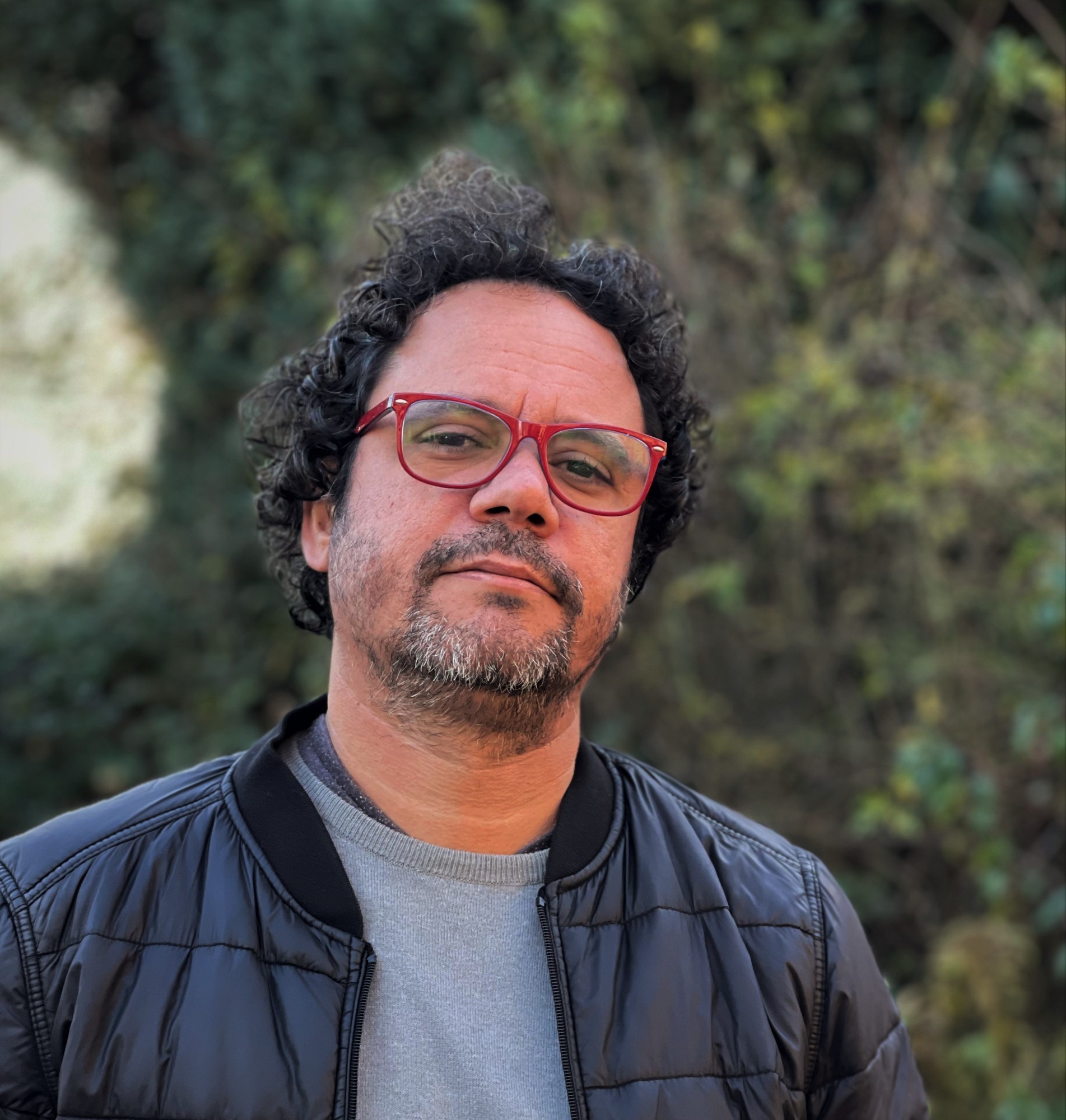 Interview: Im Gespräch mit dem brasilianischen Regisseur und Drehbuchschreiber Carlos Segundo („Sideral“) konnten wir mehr über seinen Kurzfilm „Big Bang“, der im Internationalen Wettbewerb des 36. Filmfest Dresden 2024 lief, erfahren, wie er den Film auf die Beine stellte, wie schnell die Wahl des Hauptdarstellers klar war und wie er selbst über einen größeren Umweg zum Film gekommen ist.
The original english language interview is also available.
Wie ist die Idee zu Deinem Kurzfilm entstanden?
Normalerweise finde ich meine Filme immer in einer bestimmten Situation, einem Bild oder einem Ton. Und dann fange ich an, sie zu entwickeln, um herauszufinden, wohin sie mich treiben. Bei „Big Bang“ war es genauso. Meine erste Idee war es, eine gewöhnliche Figur zu verfolgen, die scheinbar zerbrechlich und ausgegrenzt ist, aber kurz davor steht, zu explodieren und alles um sich herum zu verändern. Als ich zum ersten Mal über die Figur in der Situation des Zwergwuchses nachdachte, fiel mir sofort der Titel des Films ein, und damit auch alles andere.
In welchem Rahmen (finanziell und zeitlich) konntest Du Deinen Film realisieren?
 Für mich ist es normal, mit einem kleinen Budget zu arbeiten. Ich hatte etwas privates Geld zur Verfügung (etwa 3.000 Euro) und einige Freunde. Das Schwierigste war, den Schauspieler zu überzeugen, dass es eine gute Idee wäre, diesen Film mit uns zu machen. Aber er kam sofort ins Boot, als er das Drehbuch las.
Was lag Dir bei der Inszenierung am Herzen?
Das Wichtigste war, dass die Hauptdarsteller Vertrauen in ihre Rolle haben und ihre Situation respektieren. Man versucht, einen Film über einen Mann zu machen, und dann erst recht einen Film über seine persönliche Situation. Man kann seine „Zerbrechlichkeit“ als Waffe gegen die Welt nutzen.
Visuell ist der Film für mich sehr authentisch – was war Dir auf dieser Ebene wichtig.
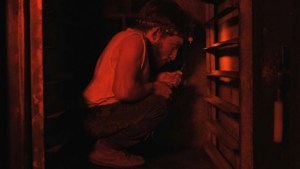 Wenn man kein Budget hat (und auch wenn man es hat), ist es das Wichtigste, das Filmkonzept zu finden und damit auch die Form des Films. Ich greife immer danach. Im „Big Bang“ ist das stärkste Element der Ort, an dem die Kamera aufgestellt ist. Der Rahmen des Films bildet den Arbeitsbereich und vermittelt dem Publikum diese soziale Trennung. Wir brauchen nichts zu erzählen, wir müssen nur hinschauen und finden alles vor.
Dein Film lebt von Deinem tollen Hauptdarsteller – kamt ihr klassisch über ein Casting zusammen?
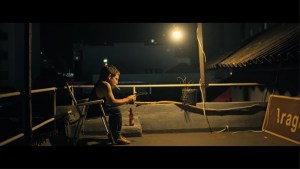 Wir haben einige gemeinsame Freunde, Giovanni und ich. Als die Geschichte aufkam, habe ich automatisch an ihn gedacht. Er ist Schauspieler im Hauptberuf. Und als er das Drehbuch las, rief er mich an und sagte mir: „Ich weiß nicht, wie viel du zahlen kannst, das ist jetzt egal, ich will Chico sein.“ Es war erstaunlich, seine Worte zu hören.
Kannst Du mir noch etwas mehr von Dir erzählen und wie Du zum Film gekommen bist?
Das ist eine lange, lange Geschichte. Wirklich. Ich kann sie dir eines Tages erzählen. Um es zusammenzufassen: Ich habe nie daran gedacht, Künstler zu werden. In Brasilien ist diese Art von Beruf normalerweise nichts für jemanden wie mich, der aus einer armen Familie am Stadtrand aufgewachsen ist. Als ich 24 war, begann ich mit viel Mühe, Mathematik zu studieren. Und ich wurde Lehrer. Aber eines Tages beschloss ich, mein Leben komplett zu ändern. Und hier bin ich nun.
Sind bereits neue Projekte geplant?
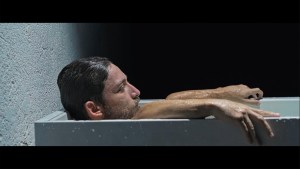 Ja. Ich bin gerade dabei, meinen zweiten Spielfilm fertigzustellen. Der erste („Fendas – Slits“) war eine Art Experimentalfilm, aber dieser neue Film ist viel erzählerischer. Er hat einen anderen Stil und eine andere Geschichte, aber ich kann einen Dialog mit meinen beiden letzten Kurzfilmen finden: „Sideral“ (2021) und „Big Bang“ (2023).
Die Fragen stellte Doreen Kaltenecker
Übersetzung von Michael Kaltenecker
Lies auch die Rezension des Kurzfilms „Big Bang“
Interview: In our conversation with Brazilian director and screenwriter Carlos Segundo („Sideral“), we learned more about his short film „Big Bang„, which screened in the International Competition of the 36th Filmfest Dresden 2024, how he got the film off the ground, how quickly the choice of lead actor was clear and how he himself came to the film via a major detour.
How did the idea for your short film come about?
Usually I always find my films in the particular situation, or image, or sounds. And then, I start developing it to discover where it drives me. With „Big Bang“ it was the same. My first Idea was to chase an ordinary character, apparently fragile, marginalized, but on the verge of exploding himself to transforme everything around him. When I first thought about the character in the dwarfism situation, the title of the film came to me instantly, and everything else with it.
Within what framework/context (financially and in terms of time) were you able to realize your film?
It’s normal for me to work with a small budget. I had some prived money to spend with it (around 3 thousand euros) and some friends. The most difficult part was to convince the actor that it would be a good idea to make this film with us. But he got in the boat as soon as he read the script.
What was important to you in the production?
The most important was to have the leader’s actor confidence and respect his situation. Try to make a film about a man, most then a film about his personal situation. Use his „fragility“ as a weapon against the world.
Visually, the film is very authentic for me – what was important to you on this level?
When you have no budget (when you have it too) the most important thing is to find the film concept and, by consequence, the film shape. I always reach for it. In the „Big Bang„, the most strong element is the place where the camera is setted. The frame of the film builds the workspace and gives to the audience this social segregation. We don’t need to tell nothing, only look and find everything there.
Your movie lives from your great leading actor – did you come together in the traditional way through casting?
We have some friends in common, Giovanni and me. When the story came up, I thought about him automatically. He’s an actor as a first profession. And when he read the script he phoned me and told me: „I don’t know how much you can pay, it doesn’t matter now, I want to be Chico“. It was amazing listening to his words.
Can you tell me a bit more about yourself and how you came to filmmaking?
It’s a long long history. Really. I can tell you about it one day. To Summarize it, I never thought of being an artist. In Brazil, usually, this kind of profession is not for a person like me who came from the outskirts and grew up in a poor family. When I was 24th, with a lot of effort I started to study mathematics. And I became a teacher. But one day I decided to transform my life completely. And here I’m.
Are there any new projects planned?
Yes. I’m finishing now my second feature film. The first one („Fendas – Slits“) was a kind of experimental film, but this new one is much more narrative. It has a different style and story, but I can find a dialogue with my two recently short-films: „Sideral“ (2021) and „Big Bang“ (2023).
Questions asked by Doreen Kaltenecker
Read on the german review of the short film „Big Bang„