
Studium der Kunstgeschichte - Schwerpunkt: Filmgeschichte
(Abschluss 2010 mit der Arbeit "Rembrandt im Spielfilm")
Nebenfächer: Philosophie und Alte Geschichte
- seit 2012: Filmkritikerin bei movieworlds (Kino, DVD, BD, Festivalberichte)
- seit 2015: Blog 'Testkammer' online
- „No Mercy“ (2026) - 24. März 2026
- „Blue Moon“ (2025) - 23. März 2026
- Jetzt in der Mediathek! – Der Film „Gelato – Die sieben Sommer der Eisliebe“ - 22. März 2026
 Interview: Im Gespräch mit der Filmemacherin und Illustratorin Marie Caudry konnten wir mehr über ihren ersten Animationsfilm „The Bear and the Bird“ (OT: „L’ourse et l’oiseau“) erfahren, der im Kinderprogramm des 67. DOK Leipzig 2024 lief, dass es auf einem Kinderbuch basiert, an dem sie mitgearbeitet hat und wie es war, die eigenen Illustrationen in bewegte Bilder umzusetzen.
The original english language interview is also available.
Wie ist die Idee zu Deinem Kurzfilm entstanden?
Die Idee für den Film stammt aus dem Kinderbilderbuch „Les Lettres de l’Ours“ (ET: „The Bear’s Letters“, 2012) von Gautier David. Es handelt sich um ein Briefbuch mit einer Vielzahl von Landschaften, fantasievollen Schauplätzen und einem seltsamen, tierischen Universum. Gautier und ich wollten das Buch unbedingt als Animationsfilm adaptieren. Gemeinsam arbeiteten wir an dem Drehbuch, wobei wir uns von dem Buch inspirieren ließen, aber auch neue Abenteuer und Figuren schufen.
Wie lange hast Du an diesem Film gearbeitet und wie groß war Dein Animationsteam?
 Wie du dir vorstellen kannst, dauerte der Prozess der Finanzierungssicherung am längsten. Von der ersten Idee bis zu den Mitteln für die Produktion des Films vergingen mehrere Jahre, bis wir unseren Produzenten MIYU gewannen.
Die eigentliche Produktion, von der Erstellung des Storyboards bis zur Farbkorrektur, dauerte etwa eineinhalb Jahre. Ich hatte das Glück, während der gesamten Zeit ein engagiertes Team zu haben, was für meinen ersten Film unerlässlich war. Insgesamt haben etwa dreißig Personen an dem Film gearbeitet.
Kannst Du mir mehr zu den Animationen selbst erzählen und was Dir dabei visuell wichtig war?
Als gelernte Illustratorin musste ich meinen visuellen Stil für den Animationsfilm anpassen und dabei meiner künstlerischen Identität treu bleiben. Bei diesem „Übersetzungsprozess“ wurde ich von Dewi Noiri und Éloïde Jiménez unterstützt, die mir halfen, den Geist meiner ursprünglichen Zeichnungen zu bewahren.
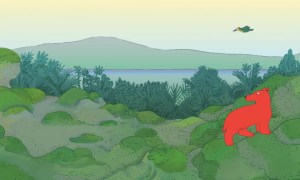 Wir versuchten, die Einzigartigkeit meiner Linienführung zu erfassen, indem wir herausfanden, was sie unverwechselbar macht. Ich strukturiere meine Zeichnungen nicht um starre Rahmen oder Formen herum; stattdessen konzentriere ich mich auf das emotionale Wesen der Figur und baue ihre Haltung durch die Linie selbst auf, auch wenn die Proportionen von einer Zeichnung zur anderen variieren. Die Animatoren haben sich auf diesen anspruchsvollen Ansatz eingelassen, und ich glaube, der Film spiegelt den Geist meiner Zeichnungen getreu wider.
Die Synchronisation wirkt für einen Kinderfilm sehr erwachsen – was lag Dir dabei am Herzen?
Meiner Meinung nach sind Produktionen für Kinder oft mit vorgefassten Meinungen über die Kindheit behaftet. Sowohl in meinen Büchern als auch in meinen Filmen bemühe ich mich, etwas anzubieten, das Klischees vermeidet, selbst wenn das bedeutet, mit einem anderen Ton Risiken einzugehen.
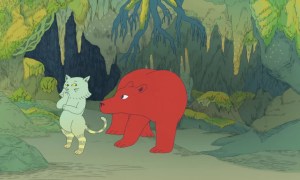 Meine Arbeit ist reichhaltig und nuanciert, und ich stelle fest, dass Kinder, vor allem diejenigen, die ich in Klassenzimmern treffe, für diese Subtilität und das Fremde in meinen Kreationen empfänglich sind. Für diesen Film habe ich mich für eine zurückhaltende Synchronisation entschieden, um die übertriebenen Kontraste zu vermeiden, die man oft in Kinderanimationen findet. Ich glaube, dieser Ansatz verleiht der Geschichte eine gewisse Sanftheit und Authentizität.
Kannst Du mir noch ein bisschen mehr von Dir erzählen und wie Du zum Film gekommen bist? Wie war der Schritt von der Illustration von Kinderbüchern hin zum Animationsfilm?
Ich habe eine Leidenschaft für das Kino und wollte schon lange einen Animationsfilm machen. Meine Jahre als Illustratorin von Bilderbüchern haben mir die Tür zur Welt der Animation geöffnet, wofür ich sehr dankbar bin.
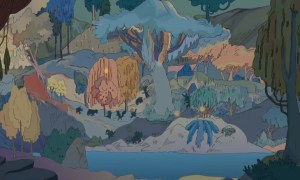 Ich habe an Ausbildungsprogrammen teilgenommen, unter anderem an einem Aufenthalt in La Poudrière, der mein Projekt erheblich vorangebracht hat. Auch die frühe Unterstützung durch das CNC während der Schreibphase hat mir beim Übergang vom Buch zum Film einen enormen Schub gegeben.
MIYU hat mir trotz meiner mangelnden Erfahrung eine Chance als Regisseurin gegeben. Zum Glück hatte ich ein außergewöhnlich talentiertes und erfahrenes Team, das mich unterstützte und mir ermöglichte, den Film zu realisieren, von dem ich geträumt hatte.
Ich hoffe, dass ich in Zukunft noch mehr Filme machen kann. Angesichts der langen Produktionszeiten für solche Projekte plane ich, sie mit Buchprojekten auszugleichen, da ich das Medium Bilderbuch immer noch sehr liebe.
Sind bereits neue Projekte geplant?
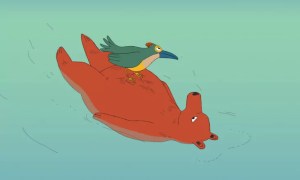 Ja, ich habe weitere Filmprojekte in der Entwicklung, über die ich aber noch nicht sprechen kann. Ich arbeite auch an neuen Bilderbüchern. Außerdem mache ich weiterhin Live-Performances mit Zeichnungen und Musik, die auf meinen Geschichten basieren und mir die Möglichkeit geben, direkt mit dem Publikum in Kontakt zu treten.
Die Fragen stellte Doreen Kaltenecker
Übersetzung von Michael Kaltenecker
Lies auch die Rezension des Kurzfilms „The Bear and the Bird“
Interview: In our conversation with filmmaker and illustrator Marie Caudry, we learned more about her first animated film „The Bear and the Bird“ (OT: „L’ourse et l’oiseau“), which was shown in the children’s program of the 67th DOK Leipzig 2024, that it is based on a children’s book she worked on and what it was like to turn her own illustrations into moving images.
How did the idea for your short film come about?
The idea for the film came from the children’s picture book „Les Lettres de l’Ours“ („The Bear’s Letters“) written by Gautier David. It’s an epistolary book featuring a wide variety of landscapes, imaginative settings, and a strange, animalistic universe. Gautier and I were very keen on adapting it into an animated film. Together, we worked on the script, drawing inspiration from the book but also creating new adventures and characters.
How long did you work on this film, and how big was your animation team?
As you can imagine, the process of securing funding took the longest time. It took several years from the initial idea to having the means to produce the film, thanks to our producer, Miyu.
The actual production, from storyboard creation to color grading, lasted about a year and a half. I was fortunate to have a committed team throughout, which was essential for my first film. Altogether, around thirty people worked on the film.
Can you tell me more about the animations and what was visually important to you?
As an illustrator by trade, I had to adapt my visual style to work for animation while staying true to my artistic identity. I was supported in this “translation” process by Dewi Noiri and Éloïde Jiménez, who helped maintain the spirit of my original drawings.
We aimed to capture the uniqueness of my linework by identifying what made it distinctive. I don’t structure my drawings around rigid frameworks or shapes; instead, I focus on the emotional essence of the character and build their posture through the line itself, even if the proportions vary from one drawing to another. The animators embraced this challenging approach, and I believe the film reflects the spirit of my drawings faithfully.
The dubbing seems very mature for a children’s film. What was important to you?
In my view, productions for children often carry preconceived notions about childhood. In both my books and my films, I strive to offer something that avoids clichés, even if it means taking risks with a different tone.
My work is rich and nuanced, and I find that children, especially those I meet in classrooms, are receptive to this subtlety and the strangeness in my creations. For this film, I opted for restrained voice acting, avoiding the exaggerated contrasts often found in children’s animation. I believe this approach brings a certain gentleness and authenticity to the story.
Can you tell me a bit about yourself and your journey from illustrating children’s books to animated films?
I’m passionate about cinema and had long wanted to create an animated film. My years of illustrating picture books opened the door to the world of animation, for which I’m very grateful.
I participated in training programs, including a residency at La Poudrière, which significantly advanced my project. Early support from the CNC during the writing phase also gave me a tremendous boost in transitioning from books to film.
Miyu took a chance on me as a director despite my lack of experience. Thankfully, I had an exceptionally talented and experienced team to support me, enabling me to create the film I had dreamed of.
I hope to make more films in the future. Given the long production timelines for such projects, I plan to balance them with book projects, as I still deeply love the medium of picture books.
Are there any new projects planned?
Yes, I have other film projects in development, though I can’t discuss them just yet. I’m also working on new picture books. Additionally, I continue to create live drawing and musical performances based on my stories, which allow me to connect directly with audiences.
Questions asked by Doreen Kaltenecker
Read on the german review of the short film „The Bear and the Bird„