
Studium der Kunstgeschichte - Schwerpunkt: Filmgeschichte
(Abschluss 2010 mit der Arbeit "Rembrandt im Spielfilm")
Nebenfächer: Philosophie und Alte Geschichte
- seit 2012: Filmkritikerin bei movieworlds (Kino, DVD, BD, Festivalberichte)
- seit 2015: Blog 'Testkammer' online
- Sieben Fragen an Dominic Wittrin - 27. Juli 2026
- „How to kill your family“ (2026) - 27. Juli 2026
- Jetzt online! – Der Film „Invincible“ - 26. Juli 2026
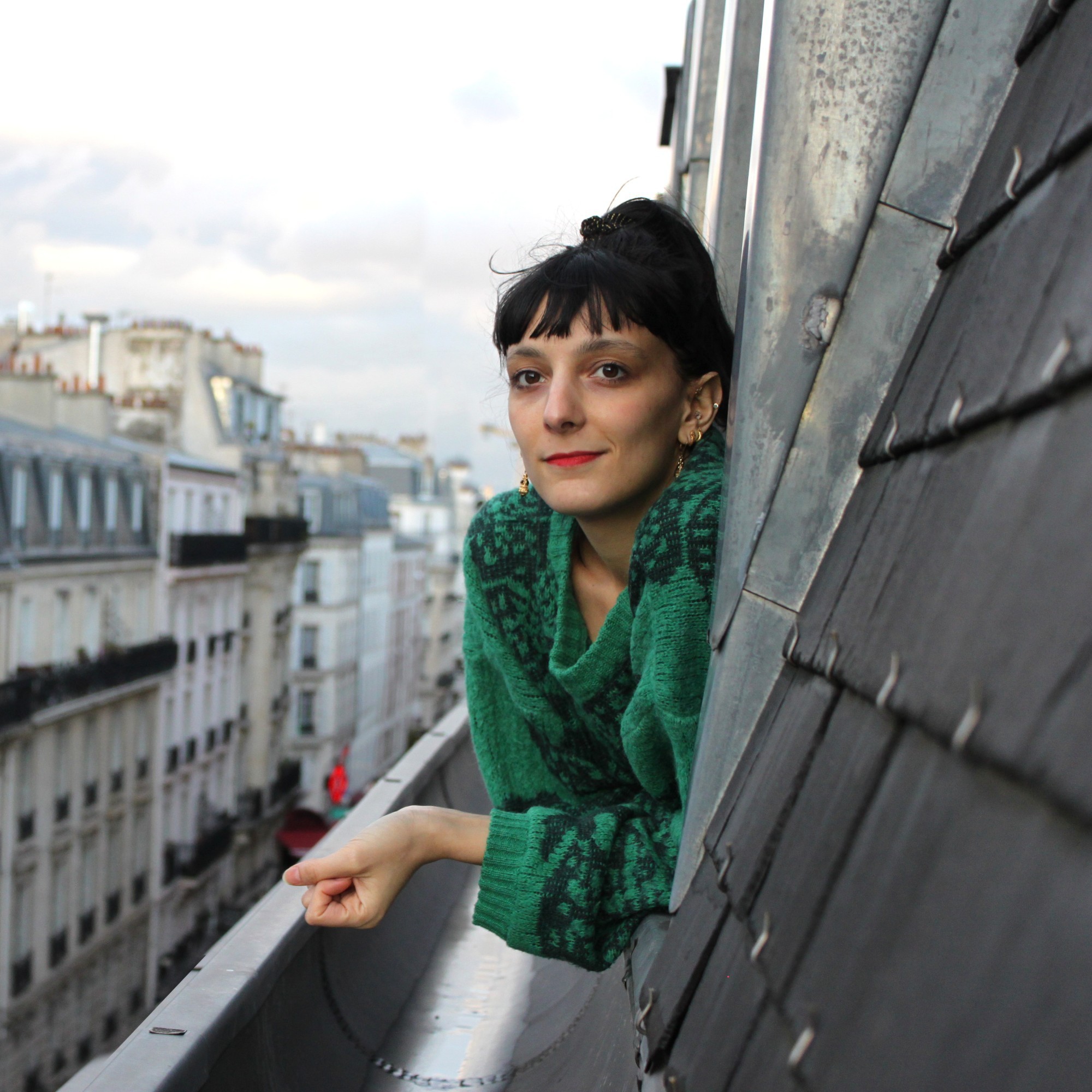 Interview: Im Gespräch mit der französischen Regisseurin und Animationskünstlerin Marion Jamault konnten wir mehr über ihren Kurzfilm „Filante“ erfahren, der im Kinderprogramm des 67. DOK Leipzig 2024 lief, wie die Geschichte entstand, warum sie sich dafür entschieden hat, auf Dialoge zu verzichten und welche entscheidende Rolle Farbe bei der Gestaltung des Films spielt.
The original english language interview is also available.
Wie ist die Idee zu Deinem Kurzfilm entstanden?
Vor ein paar Jahren stieß ich auf ein YouTube-Video, in dem eine Fledermaus eine Banane fraß. Ich verliebte mich in dieses Tier, das sowohl zu niedlich als auch sehr seltsam war. Später zeichnete ich in meinen Skizzenbüchern beiläufig eine Fledermaus, die ein Paillettenkleid trug. Ich fragte mich, wie sie dorthin gekommen war. Und so habe ich die Geschichte entwickelt.
Ich fand es wunderbar, dass so viel Kreativität und auch Überraschungen in Deinem Film stecken, die ganz anders sind als in anderen Kinderfilmen. Nach welchen Aspekten hast Du diese Welt gestaltet?
 Ich danke dir vielmals! Ich habe mich dafür entschieden, Animationsfilme zu machen, weil ich Welten erfinden kann, die es nicht gibt. Das macht mir sehr viel Freude und Vergnügen. Da ich sehr schlecht zeichnen kann, musste ich eine andere Technik entwickeln, um Bilder zu schaffen und meine Geschichten zu erzählen. So verwende ich häufig Scherenschnitte und eine Vielzahl von gemalten Texturen. Auf diese Weise spielt die Farbe eine wesentliche Rolle. Ich denke gerne über Farben nach, bevor ich mir überhaupt Gedanken über die Konturen meiner Kulissen und Figuren mache. Es ist auch eine Technik, die es mir erlaubt, mit geometrischen Formen zu spielen, und ich habe den Eindruck, dass ich meine Bilder wie ein Konstruktionsspiel mache, eine formale Synthese der Welt.
Warum hast Du Dich dafür entschieden, auf Sprache zu verzichten?
 Der Film wurde als Teil eines Kurzfilmprogramms zum Thema Feen und Hexen in Auftrag gegeben. Da alle anderen Filme des Programms Stummfilme waren, dachte ich, dass ich den anderen Filmen folgen müsste, um eine Einheit zu schaffen. Das war eine große Herausforderung für mich, denn das Schreiben von Dialogen ist eine meiner Lieblingsbeschäftigungen, wenn ich ein Drehbuch schreibe. Aber es war auch sehr interessant, denn wenn man keinen Dialog oder Voice-Over hat, muss man über die Regie auf komplexere Weise nachdenken. Man muss die ganze Geschichte allein durch Bilder vermitteln. Das war sehr lehrreich.
Dafür besitzt Deinen Film auch einen besonderen Sound. Kannst Du mir mehr zum Sounddesign erzählen?
 Die Musik für den Film wurde von der Chamaye-Musikgruppe komponiert. Ich liebe ihre Musik, die sehr tanzbar, verspielt und traumhaft ist. Ihr Universum ist sehr nah an dem der Märchen, wie meine Geschichten. Vor diesem Projekt hatte die Gruppe noch nie Musik für einen Film gemacht, und dies war ihre erste Erfahrung mit Filmmusik. Ich finde das Ergebnis großartig, weil die Musik nicht nur dazu da ist, ein paar Emotionen zu unterstreichen, sondern einen wichtigen Platz im Film einnimmt. Wir wollten das Publikum zum Tanzen bringen.
Kannst Du mir noch ein bisschen mehr von Dir erzählen und wie Du zum Film gekommen bist?
 Ich habe das Kino und das Basteln mit meinen Händen schon immer geliebt. Der Animationsfilm war das perfekte Medium, um meine beiden Leidenschaften zu vereinen!
Sind bereits neue Projekte geplant?
Im Moment arbeite ich an einem animierten Clip für Chamaye. Dieses Jahr werde ich auch an einem neuen Kurzfilmprojekt mit einem Elefanten und einem Kinderalbum mit einem großen Tausendfüßler arbeiten.
Die Fragen stellte Doreen Kaltenecker
Übersetzung von Michael Kaltenecker
Lies auch die Rezension des Kurzfilms „Filante“
Interview: In our conversation with French director and animation artist Marion Jamault, we learned more about her short film „Filante„, which was shown in the children’s program of the 67th DOK Leipzig 2024, how the story came about, why she decided to do without dialogue and what decisive role color plays in the design of the film.
How did the idea for your short film come about?
A few years ago I came across a YouTube video of a bat eating a banana. I fell in love with this animal, which was both too cute and very strange. Later, in my sketchbooks, I casually drew a bat wearing a sequined dress. I wondered how she’d got there. And that’s how I developed the story.
I thought it was wonderful that there was so much creativity and surprises in your film, which is very different from other children’s films. What aspects did you use to create this world?
Thank you very much! I chose to make animated films rather than live-action films precisely because I can invent worlds that don’t exist. It brings me a lot of joy and pleasure. As I draw very badly, I’ve had to develop another technique to create images and tell my stories. So I make a lot of use of paper cut-outs, using a wide variety of painted textures. In this way, colour plays an essential role. I like to think about colour before I even think about the contours of my sets and characters. It’s also a technique that allows me to play with geometric shapes, and I have the impression that I’m making my images like a construction game, a formal synthesis of the world.
Why did you decide to work without language?
The film was commissioned to be part of a programme of short films on the theme of fairies and witches. As all the other films in the programme were silent, I thought I’d have to follow the other films to create unity. It was a big challenge for me because writing dialogue is one of my favourite things to do when I’m writing a screenplay. But it was also very interesting, because not having any dialogue or voice-over means you have to think about the direction in a more complex way. You have to get the whole story across through images alone. It was very instructive.
But your movie also has a distinctive sound. Can you tell me more about the sound design?
The music for the film was composed by the Chamaye music group. I love their music, which is very danceable, playful and dreamlike. Their universe is very close to that of the fairy tales, like my stories. Before this project, the group had never created music for a film, and this was their first experience of music for film. I think the result is great because the music isn’t just there to underline a few emotions, it occupies an important place in the film. We wanted to make the audience dance.
Can you tell me a bit more about yourself and how you came to making films?
I’ve always loved cinema and tinkering with things with my hands. Animated film was the perfect medium to bring my two passions together!
Are there any new projects planned?
At the moment, I’m working on an animated clip for Chamaye. This year, I’m also going to be working on a new short film project with an elephant and a children’s album with a large centipede.
Questions asked by Doreen Kaltenecker
Read on the german review of the short film „Filante„