
Studium der Kunstgeschichte - Schwerpunkt: Filmgeschichte
(Abschluss 2010 mit der Arbeit "Rembrandt im Spielfilm")
Nebenfächer: Philosophie und Alte Geschichte
- seit 2012: Filmkritikerin bei movieworlds (Kino, DVD, BD, Festivalberichte)
- seit 2015: Blog 'Testkammer' online
- Jetzt in der Mediathek! – Der Film „House of Existence“ - 13. September 2026
- Acht Fragen an Jorge Sermini - 11. September 2026
- „Daughter“ (2024) - 11. September 2026
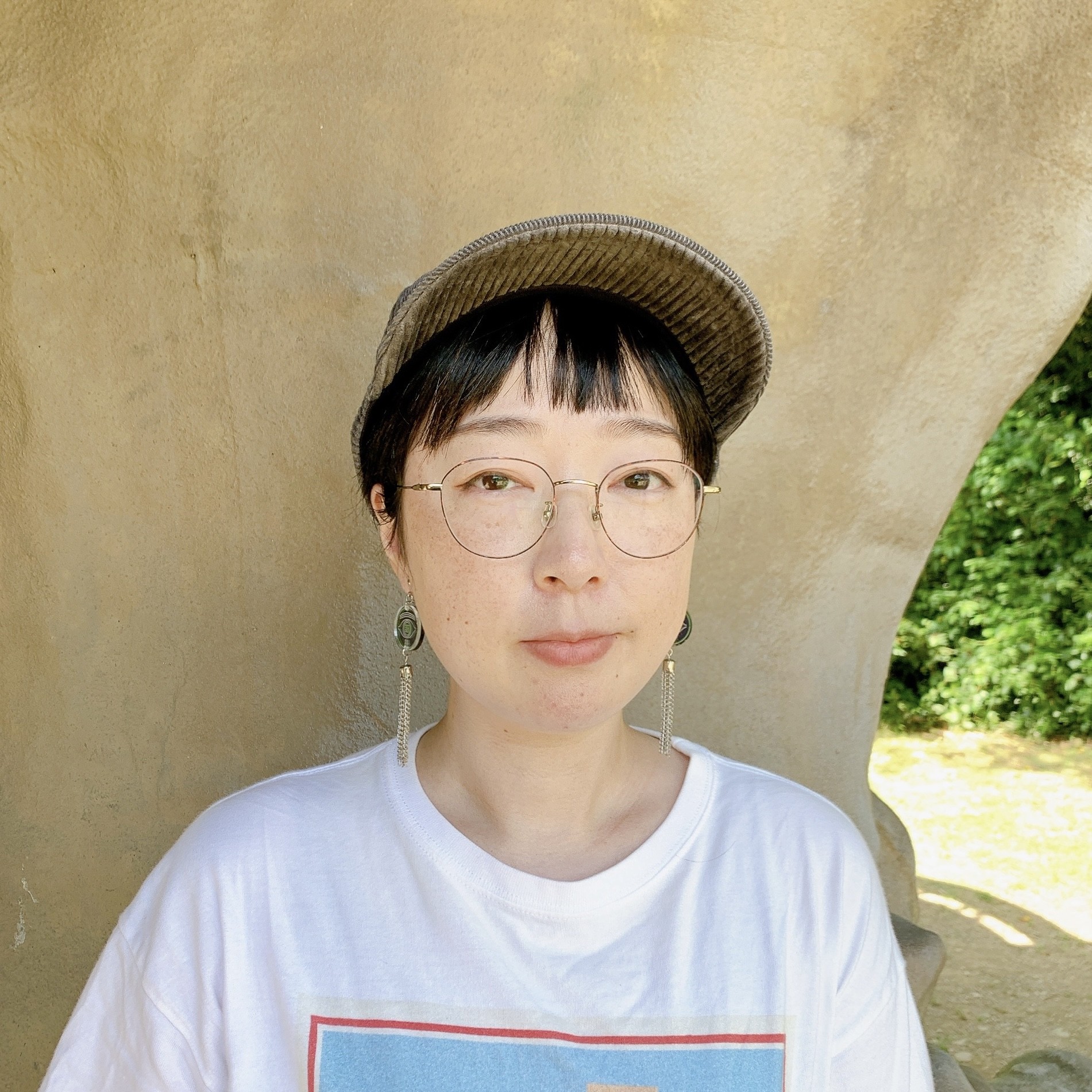 Interview: Im Gespräch mit der japanischen Filmemacherin und Animationskünstlerin Saki Maramoto konnten wir mehr über ihren Kurzfilm „A Night at the Rest Area“ (OT: „パーキングエリアの夜“), der auf dem 40. interfilm Festival Berlin 2024 im Internationalen Wettbewerb lief, erfahren. Sie erzählt von ihren eigenen Erfahrungen mit Busreisen, wie sie zur Animationsfilm kam und ob sie bereits ihren eigenen Stil gefunden hat.
The original english language interview is also available.
Wie ist die Idee zu Deinem Kurzfilm entstanden? Bist Du selbst oft mit dem Bus auf langen Strecken unterwegs?
Als ich Studentin war, lebte ich allein in einer ländlichen Gegend und nutzte daher oft Nachtbusse, um meine Eltern zu besuchen. Nachtbusse halten immer an Raststätten – und Raststätten auf Autobahnen gehören zu meinen Lieblingsorten. (In Japan sind Raststätten voll ausgestattet, einige haben Souvenirläden, Food Courts, heiße Quellen, Vergnügungsparks usw.)
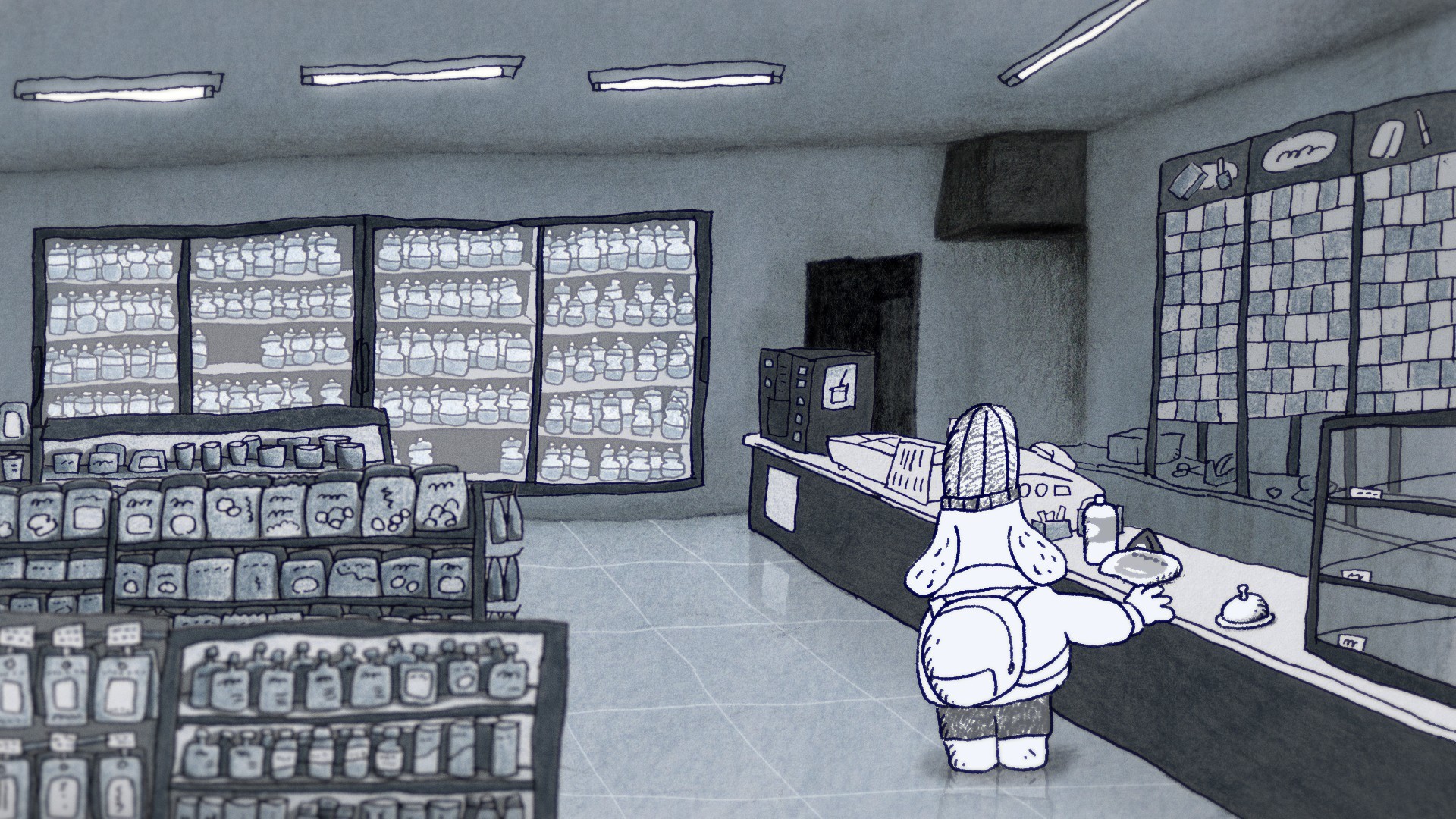 Wenn ich an Raststätten denke, verbinde ich sie mit glücklichen und freudigen Erinnerungen. Ich bin in einer ländlichen Gegend aufgewachsen, und wenn meine Familie verreiste, fuhren wir manchmal früh morgens los, wenn es noch dunkel war. Als Kind war es aufregend, nachts mit dem Auto zu reisen, während die Stadt eine leicht melancholische Atmosphäre hatte. Dieses Gefühl hat sich stark in mein Gedächtnis eingebrannt.
Für mich waren Raststätten wie Disneyland – voller Lichter, Menschen und gutem Essen, selbst mitten in der Nacht. Wegen dieser Kindheitserinnerungen mochte ich die Zeit unterwegs – das Fahren in der Nacht, das Anhalten an Raststätten – oft mehr als das eigentliche Reiseziel. Deshalb wollte ich einen Film über diese besondere Zeit machen.
Warum hast Du Dich für Tiere statt Menschen entschieden – und nach welchen Kriterien hast Du die jeweiligen Tiere ausgewählt?
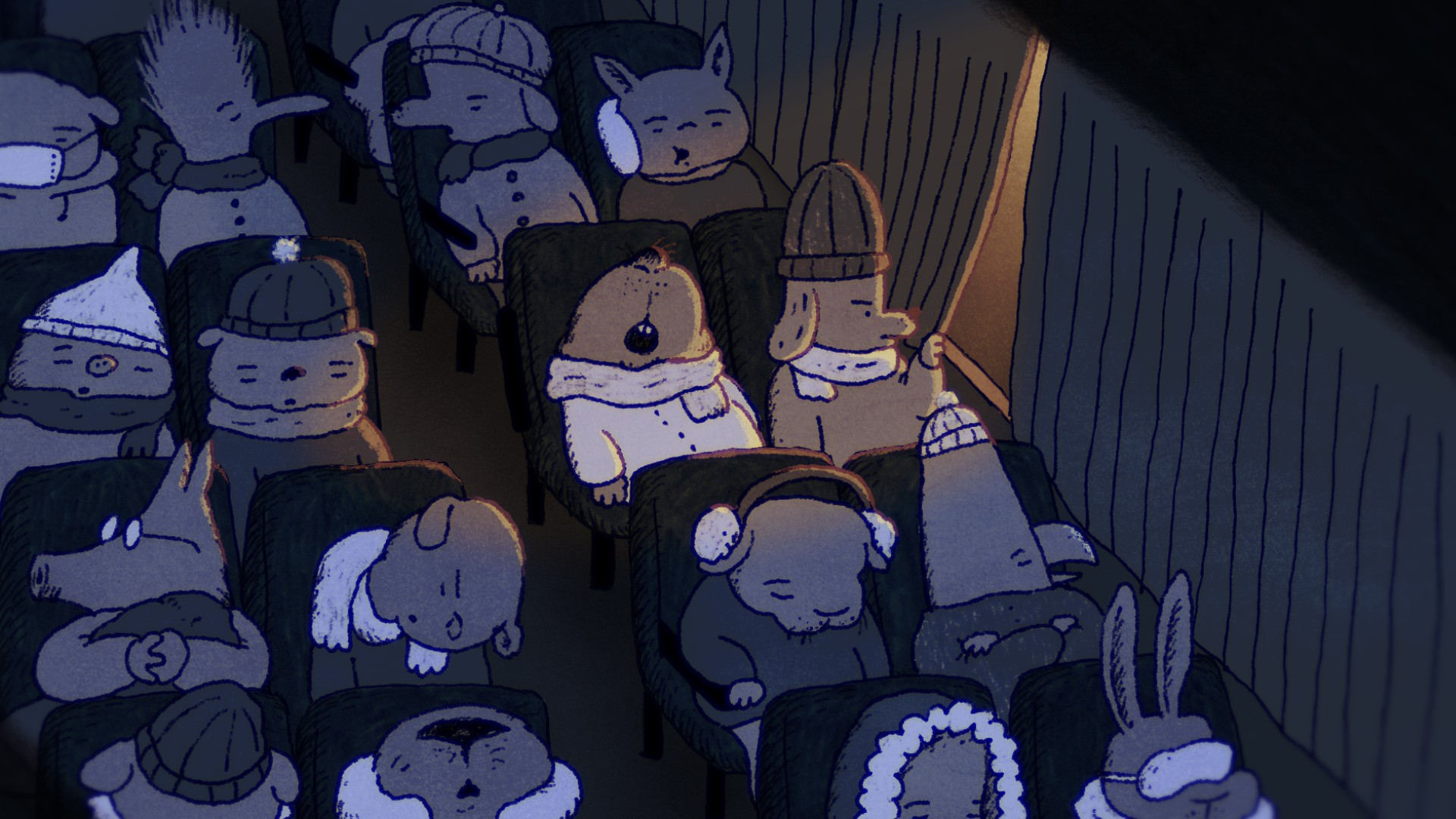 Wenn ich eine menschliche Figur entwerfe, muss ich ihr Alter, Geschlecht und ihre Nationalität festlegen. Doch diese Aspekte spielen in diesem Film keine Rolle, deshalb wollte ich sie weglassen. Ich habe mich für Tiere entschieden, weil ich Tiere liebe und weil sie ein vertrautes und liebenswertes Motiv sind, das von vielen Menschen leicht akzeptiert wird.
Bei der Auswahl der Tiere habe ich mich einfach nach meinen damaligen Favoriten gerichtet oder habe Tiere gewählt, die mich an reale Personen erinnerten. (Zum Beispiel ein älterer Verkäufer in einem Convenience-Store, ein schnarchender Fahrgast oder ein Kind, das lautstark Nudeln schlürft.)
Kannst Du mir zu den Animationen und was Dir visuell wichtig war erzählen?

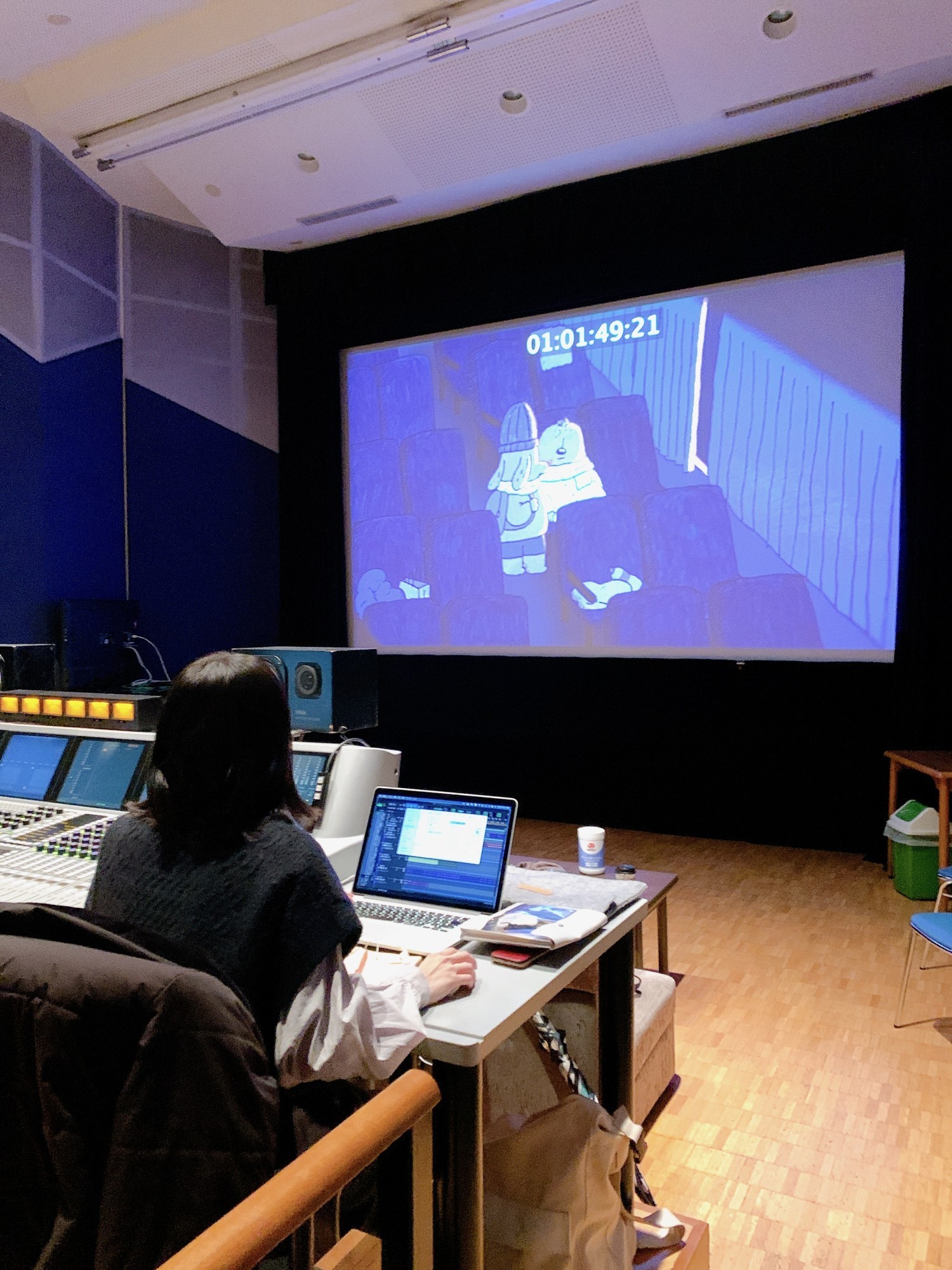
Regisseurin Saki Maramoto (Bildmitte)
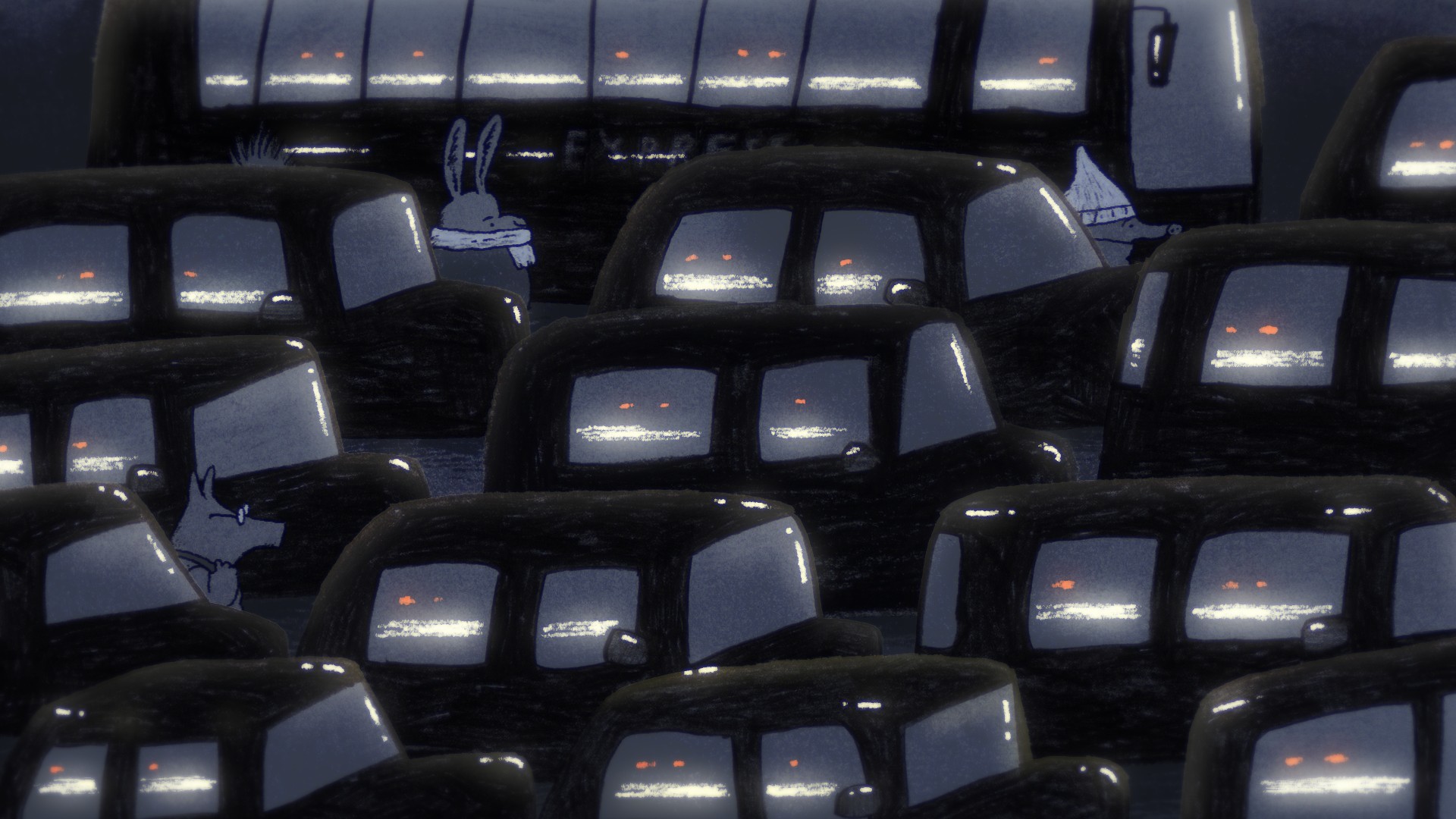
Visuelle Gestaltung: In diesem Film gibt es viele Charaktere, die sich im selben Bild bewegen. Wenn aber alle gleichzeitig agieren, würde keine einzelne Bewegung wirklich auffallen. Deshalb habe ich viele Tests zu Timing, Farbe und Bildkomposition durchgeführt. Zum Beispiel in der Szene im Bus: Der Bus ist voller Passagiere, aber ich habe zwei Figuren mit einem orangefarbenen Licht hervorgehoben, um die Aufmerksamkeit des Publikums gezielt auf sie zu lenken.
Animation: In vielen Szenen bewegen sich die Charaktere fort und ich habe versucht, jeder Figur eine individuelle Gangart zu geben. Ein Beispiel ist die Szene in der öffentlichen Toilette, in der das Schwein von vorne nach hinten läuft. Ich habe diese Bewegung Bild für Bild von Hand gezeichnet, ohne Copy & Paste zu verwenden. Das war extrem zeitaufwendig, aber ich glaube, dass solche „unnötigen“ Bewegungen einer Figur Menschlichkeit verleihen. Deshalb habe ich viele solcher Details eingebaut.
Würdest Du sagen, Du hast als Künstlerin schon deinen Stil gefunden?
 Ich glaube nicht, dass ich bereits meinen eigenen Stil gefunden habe – und ich weiß auch selbst nicht genau, was mein Stil ist. Ich möchte weiterhin neue Techniken ausprobieren und mich nicht auf eine bestimmte visuelle Richtung festlegen.
Über welchen Zeitraum und in welcher Teamgröße ist Dein Film entstanden?
Zunächst habe ich 2019 einen Prototyp des Films erstellt. Danach habe ich immer wieder daran gearbeitet, wenn ich neben meinen anderen Projekten Zeit hatte. Insgesamt hat die Produktion etwa zwei Jahre gedauert.
Das Team bestand hauptsächlich aus vier Personen: einem Produzenten, einem Sounddesigner, einer Assistenzkraft und mir. Ich habe die meisten Zeichnungen selbst angefertigt, während meine Assistentin für das Kolorieren der Figuren zuständig war.
Für Deine Geschichte sind keine Worte nötig – umso wichtiger ist aber ein gelungenes Sound Design. Was lag Dir dabei am Herzen?
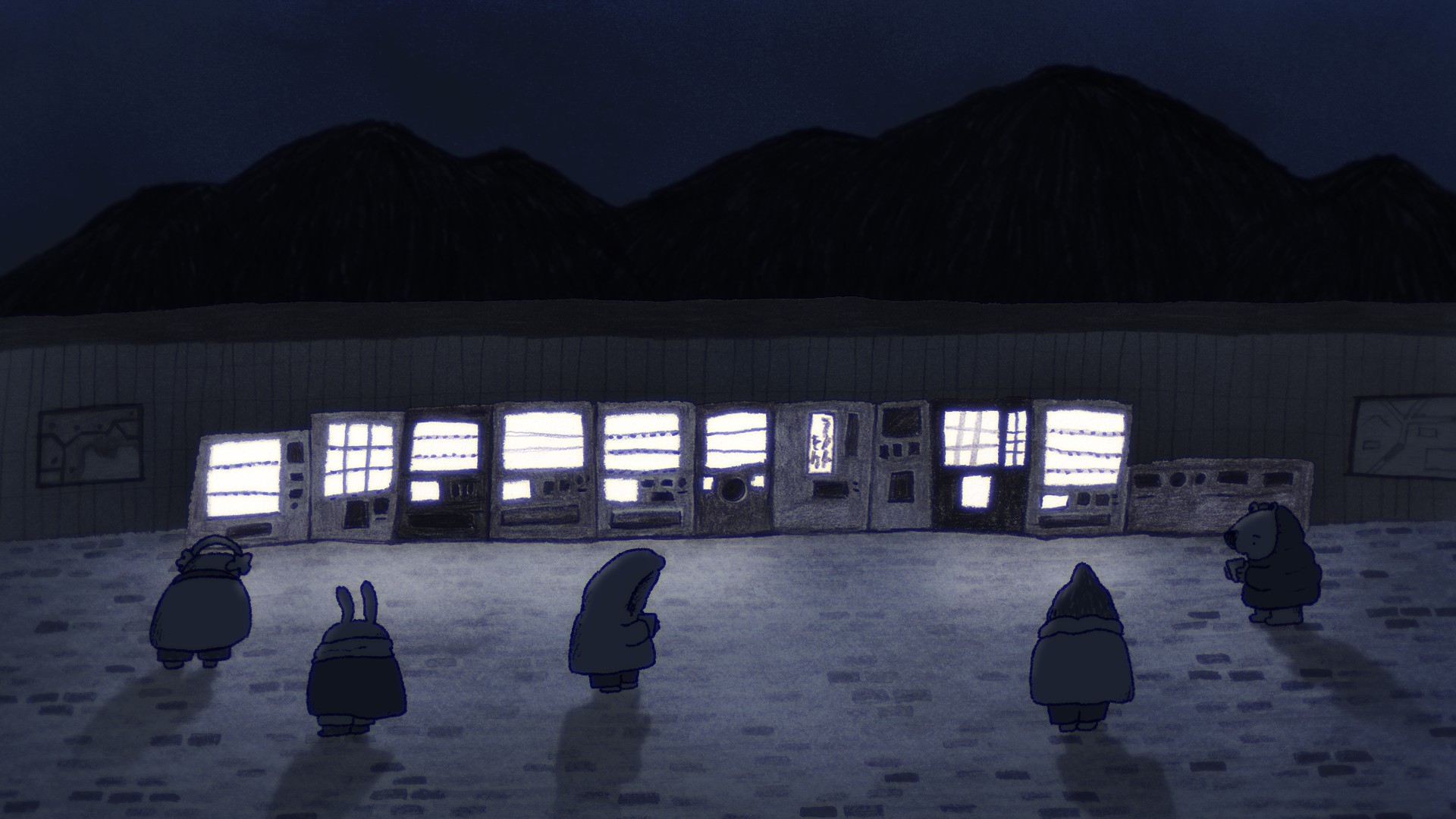 Mein Ziel war es, durch den Klang ein Gefühl für den Raum außerhalb des Bildes zu erzeugen – also die Weite der Raststätte, das Geräusch der Autos auf der Autobahn, das Gefühl, dass dort noch andere Menschen sind.
Ich habe so viele realistische Geräusche wie möglich verwendet, damit das Publikum unbewusst die kalte Winterluft und die offene Umgebung spüren kann. Ich wollte, dass man die Anwesenheit von Menschen spürt, die nicht im Bild zu sehen sind. Zum Beispiel sind die Leute in der Toilette oder die vorbeifahrenden Autos nicht animiert, sondern nur durch den Ton präsent. Das Sounddesign hat der Animation eine zusätzliche Tiefe verliehen.
Kannst Du mir noch ein bisschen mehr von Dir erzählen und wie Du zum Film gekommen bist?
 Als Kind habe ich im Fernsehen Knet-Animationen gesehen („Wallace & Gromit“ und „Pacusi“ von Koji Yamamura). Sie haben mich fasziniert, aber auch etwas verängstigt, weil es so seltsam war, bewegliche Figuren aus Knete zu sehen. Doch genau deshalb war ich schon immer an Stop-Motion-Animation interessiert.
Da ich von klein auf gerne gezeichnet habe, entschied ich mich für ein Kunststudium mit Schwerpunkt Film. Während des Studiums lernte ich, wie Stop-Motion funktioniert, und wollte es unbedingt selbst ausprobieren. In meinem zweiten Jahr an der Uni drehte ich eine Scherenschnitt-Animation, und das war der Moment, in dem mir klar wurde: Ich will noch mehr Animationen erschaffen! Es hat mich fasziniert, meine eigenen Zeichnungen in Bewegung zu sehen – und bis heute macht es mir großen Spaß.
 Sind bereits neue Projekte geplant?
Ja, ich plane mein nächstes Projekt, aber ich habe mich noch nicht endgültig entschieden. Ich würde gerne etwas mit Knetanimation oder Stop-Motion ausprobieren.
Die Fragen stellte Doreen Kaltenecker
Übersetzung von Michael Kaltenecker
Lies auch die Rezension des Kurzfilms „A Night at the Rest Area“
Interview: In our conversation with Japanese filmmaker and animation artist Saki Maramoto, we were able to find out more about her short film „A Night at the Rest Area“ (OT: „パーキングエリアの夜“), which screened in the International Competition at the 40th interfilm Festival Berlin 2024. She talks about her own experiences with bus travel, how she came to animated film and whether she has already found her own style.
How did the idea for your short film come about? Do you often travel long distances by bus yourself?
When I was a college student, I lived alone in a rural area, so I often used night buses for trips back to my parents‘ home. Night buses always take a break at rest areas. Rest areas on highways are one of my favorite places. (Rest areas in Japan are full of facilities, and some have souvenir shops, food courts, hot spring facilities, amusement parks, etc.)
When I think of rest areas, I recall them with happy and joyful memories. I was born in a rural area, so when traveling with my family, we sometimes left home early in the morning when it was still dark outside. As a child, the experience of traveling by car at night when it was still dark was very exciting, and combined with the slightly lonely atmosphere of the city, it remains strongly in my memory as a special time.
Rest areas were as much fun as Disneyland, with lots of light and people and good food even at night.Because of these childhood memories, I loved the time on the road and parking areas, driving in the middle of the night, more than the destination of the trip. So I wanted to make a film about that time.
Why did you choose animals instead of people – and what criteria did you use to select the animals?
When designing a human character, I have to decide the person’s age, gender, nationality, etc. I wanted to eliminate those elements because they are not important in this work. I chose animals simply because I am an animal lover, and because I thought it was a familiar and lovable motif that would be more easily accepted by many people. I chose animals that I liked at the time, or if there was a model person, animals that resembled that person. (An old clerk at a convenience store, a snoring passenger, a child slurping noodles)
Can you tell me about the animations and what was important to you visually?
What was important visually: This film has many characters in the same frame, but if they all move at the same time, each individual action would not stand out. So I did a lot of testing for timing, color, and composition. For example, in the scene inside the bus, the bus is full of passengers, but I placed orange lights on the two people I wanted to draw the most attention to, so that the audience’s gaze would be directed to them.
What was important in the animation: In this animation, there are many movements of the characters walking, and I tried to make sure that each character has a unique way of walking. For example, in the scene where the pig walks from the front to the far side in the public restroom, I drew it frame by frame. ( I did not use a copy and paste.) It was very time-consuming work, but I believe that unnecessary movements add a sense of humanity, so I tried to create a lot of those kinds of movements.
Would you say you have already found your style as an artist?
I don’t think I have already found my own style, and I don’t even know myself what my style is. I want to try new techniques and visual creation without fixing my style.
Over what period of time and in what team size was your film made?
First, I made a prototype of this film in 2019. Then I worked on the production in between my jobs. The total production time is about 2 years. The team is mainly 4 people: producer, sound design, one assistant, and me. I did most of the drawing by myself, and the assistant did the coloring of the characters.
No words are necessary for your story – but a successful sound design is all the more important – what was important to you?
What I aimed for in the sound design was to make the audience feel the space outside the screen through sound. (The space of a large rest area, cars driving on the highway, the feeling of someone, etc.) I tried to use as much realistic sound as possible so that the audience could subconsciously feel the wide open space, and the cold winter night air. I wanted the audience to feel the presence of people who are not on the screen. For example, the people in the toilet and the running cars are not depicted, but are represented by sound. The sound design gave depth to this animation.
Can you tell me a bit more about yourself and how you came to making films?
When I was a child, I saw clay animation on TV („Wallace and Gromit“, and „Pacusi“ by Koji Yamamura) and was a little scared because it was so strange to see clay moving. So I was always interested in stop-motion animation. I have loved drawing since I was a child, so I entered an art college and studied film. At the university, I learned how stop-motion animation works, and I wanted to make animation myself. In my second year of university I made a cut-out animation and it made me realise I wanted to create more animation. It was very interesting to see my own drawings move, and I still continue to enjoy it in a fresh and fun way.
Are there any new projects planned?
I am planning to my next project. I haven’t decided yet, I want to try clay animation or stop motion.
Questions asked by Doreen Kaltenecker
Read on the german review of the short film „A Night at the Rest Area„