
Studium der Kunstgeschichte - Schwerpunkt: Filmgeschichte
(Abschluss 2010 mit der Arbeit "Rembrandt im Spielfilm")
Nebenfächer: Philosophie und Alte Geschichte
- seit 2012: Filmkritikerin bei movieworlds (Kino, DVD, BD, Festivalberichte)
- seit 2015: Blog 'Testkammer' online
- Kinostarts 23.07.2026 - 22. Juli 2026
- Jetzt online! – Der Kurzfilm „Intermezzo“ - 19. Juli 2026
- Kinostarts 16.07.2026 - 15. Juli 2026
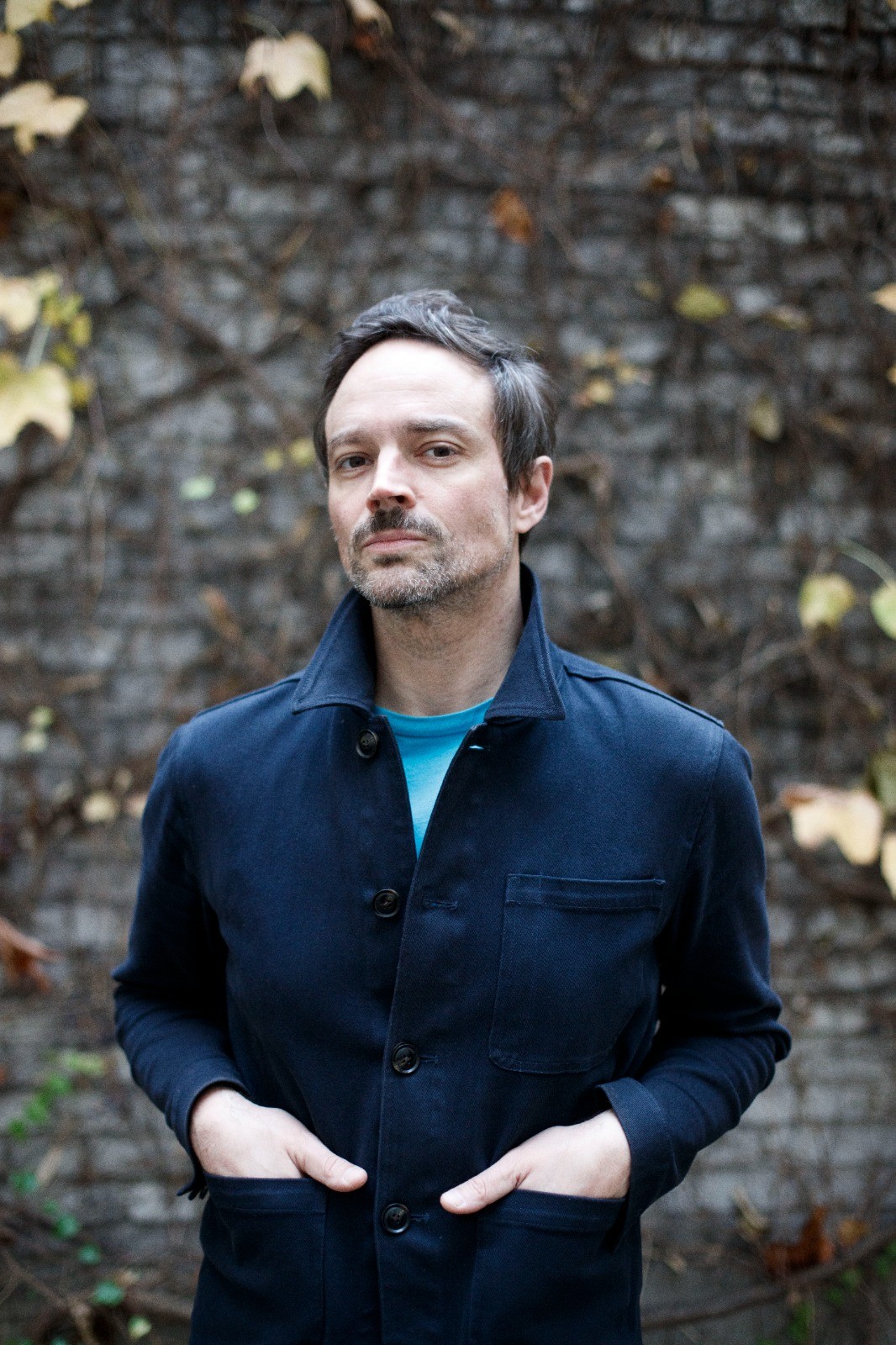 Interview: Im Gespräch mit dem französischen Regisseur Matthieu Salmon konnten wir mehr über seinen Kurzfilm „Invisibles“ erfahren, der im ‚Shock Block‘-Programm des 24. Landshuter Kurzfilmfestivals 2024 lief, was genau hinter der Geschichte steckt, wie er die unsichtbare Gefahr inszeniert hat und wie er es geschafft hat, in leeren Straßen zu drehen.
The original english language interview is also available.
Wie ist die Idee für Deinen Kurzfilm entstanden?
Meine Idee für den Film entstand aus dem Wunsch, verschiedene Genres zu nutzen, um das Thema Gewalt am Arbeitsplatz zu thematisieren. Zunächst einmal liebe ich Horrorfilme, die Teil meiner cineastischen Wurzeln sind. Und zwei meiner früheren Filme beschäftigen sich mit der Arbeitswelt unter dem Aspekt der emotionalen und beruflichen Prekarität.
Was lag Dir visuell am Herzen? Und wie erschafft man eine unsichtbare Gefahr?
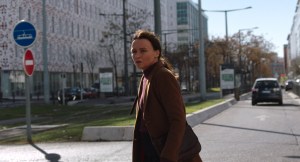
Pauline Lorillard
Mit diesem Film wollte ich eine verfallene Welt darstellen, indem ich eine überzeugend realistische Sozialgeschichte inszenierte und sie mit einem übernatürlichen Ereignis konfrontierte: Dem Auftauchen von Monstern.
Büroumgebungen sprechen mich visuell durch ihre sterile, kalte Fremdheit an. Um die unsichtbare Bedrohung zu evozieren, mussten wir uns hauptsächlich auf den Ton konzentrieren. Die Geräusche der Renovierungsarbeiten, der bellende Hund und auch die Stille halfen uns, einen Raum zu schaffen, den wir nicht sehen, aber sehr wohl wahrnehmen.
Wie habt ihr die menschenleeren Straßenszenen realisiert?
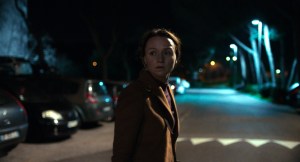
Pauline Lorillard
Die menschenleeren Straßenszenen wurden einfach dann gedreht, wenn niemand am Drehort war, d. h. in einigen Fällen sehr früh am Morgen, in anderen spät am Abend. Die meisten Spezialeffekte im Film wurden am Set gemacht, das heißt, sie wurden während der Dreharbeiten und nicht digital erstellt. Die digitale Nachbearbeitung diente hauptsächlich dazu, gedrehte Elemente zu korrigieren, die nicht ganz funktionierten und bereinigt werden mussten.
Wie bist Du auf Pauline Lorillard gekommen?
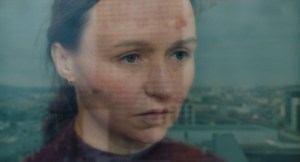
Pauline Lorillard
Ich habe Pauline Lorillard durch meinen Kameramann kennengelernt, der mit ihr bei einem anderen Film zusammengearbeitet hat und sie mir empfohlen hat. Sie ist eine talentierte Schauspielerin, extrem professionell. Außerdem ist sie ein wunderbarer Mensch, so warmherzig und lustig. Wir haben uns bei den Dreharbeiten sehr gut verstanden.
Kannst Du mir noch ein bisschen mehr von Dir erzählen und wie Du zum Film gekommen bist?
Was meinen Hintergrund betrifft, so würde ich sagen, dass ich in erster Linie ein Cineast bin. Ich liebe es, Filme aller Genres zu sehen und zu entdecken, und ich habe das Kino immer sehr geliebt. Ich vermute, wenn man viele Filme sieht, möchte man am Ende selbst welche machen.
Sind bereits neue Projekte geplant?
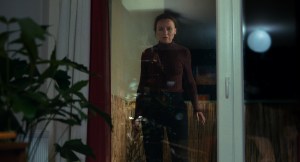
Pauline Lorillard
Ich entwickle derzeit einen Spielfilm, der sowohl ein Sozialdrama als auch ein Fantasy-/Horrorfilm sein wird. Es ist nicht unbedingt eine längere Version meines Kurzfilms „Invisibles“, aber er hat dieselben Themen und Ziele.
Die Fragen stellte Doreen Kaltenecker
Übersetzung von Michael Kaltenecker
Lies auch die Rezension des Kurzfilms „Invisibles“
Interview: In our conversation with French director Matthieu Salmon, we were able to find out more about his short film „Invisibles„, which was shown in the ‚Shock Block‘ program of the 24th Landshut Short Film Festival 2024, what exactly is behind the story, how he staged the invisible danger and how he managed to shoot in empty streets.
How did the idea for your short film come about?
My idea for the film came from a desire to use multiple genres to evoke the subject of violence in the workplace. First of all, I love horror films, which are part of my cinematic roots. And two of my earlier films explore the working world through the angle of precarity, both emotional and professional.
What was important to you visually? And how do you create an invisible danger?
So with this film, I wanted to depict a world in decay by staging a convincingly realistic social chronicle and confronting it with a supernatural event: the appearance of monsters.
Office settings appeal to me visually for their sterile, cold strangeness. To evoke the invisible threat, we had to focus mainly on sound. The noises of the renovation work, the barking dog… and also the silences helped us create a space we don’t see but most definitely perceive.
How did you realize the deserted street scenes?
The deserted street scenes were simply shot when there was no one around on the location, meaning very early in the morning in some cases, or late in the evening in others. Most of the special effects in the film were done on set, meaning they were created during the shoot and not digitally. Any digital work we did in post was mostly to correct elements we’d shot that weren’t quite working and needed to be cleaned up.
How did you find Pauline Lorillard?
I met Pauline Lorillard through my DP, who had worked with her on another film and recommended her to me. She’s a talented actor, extremely professional. She’s also a wonderful human being, so warm and funny. We got along very well on the shoot.
Can you tell me a bit more about yourself and how you came to the movie?
In terms of my background, I would say that I am first and foremost a cinephile. I love seeing and discovering films of all genres, and I’ve always deeply loved the cinema. I suppose that when you watch a lot of films, you can end up wanting to make some yourself.
Are there any new projects planned?
I’m currently developing a feature film that will be both a social drama and a fantasy/horror film. It’s not exactly a longer version of my short film „Invisibles„, but it shares the same themes and aspirations.
Questions asked by Doreen Kaltenecker
Read on the german review of the short film „Invisibles„