
Studium der Kunstgeschichte - Schwerpunkt: Filmgeschichte
(Abschluss 2010 mit der Arbeit "Rembrandt im Spielfilm")
Nebenfächer: Philosophie und Alte Geschichte
- seit 2012: Filmkritikerin bei movieworlds (Kino, DVD, BD, Festivalberichte)
- seit 2015: Blog 'Testkammer' online
- Acht Fragen an Silvia Lorenzi - 8. Dezember 2025
- „Room Number“ (2025) - 8. Dezember 2025
- Jetzt in der Mediathek! – Der Film „Inside Me“ - 7. Dezember 2025
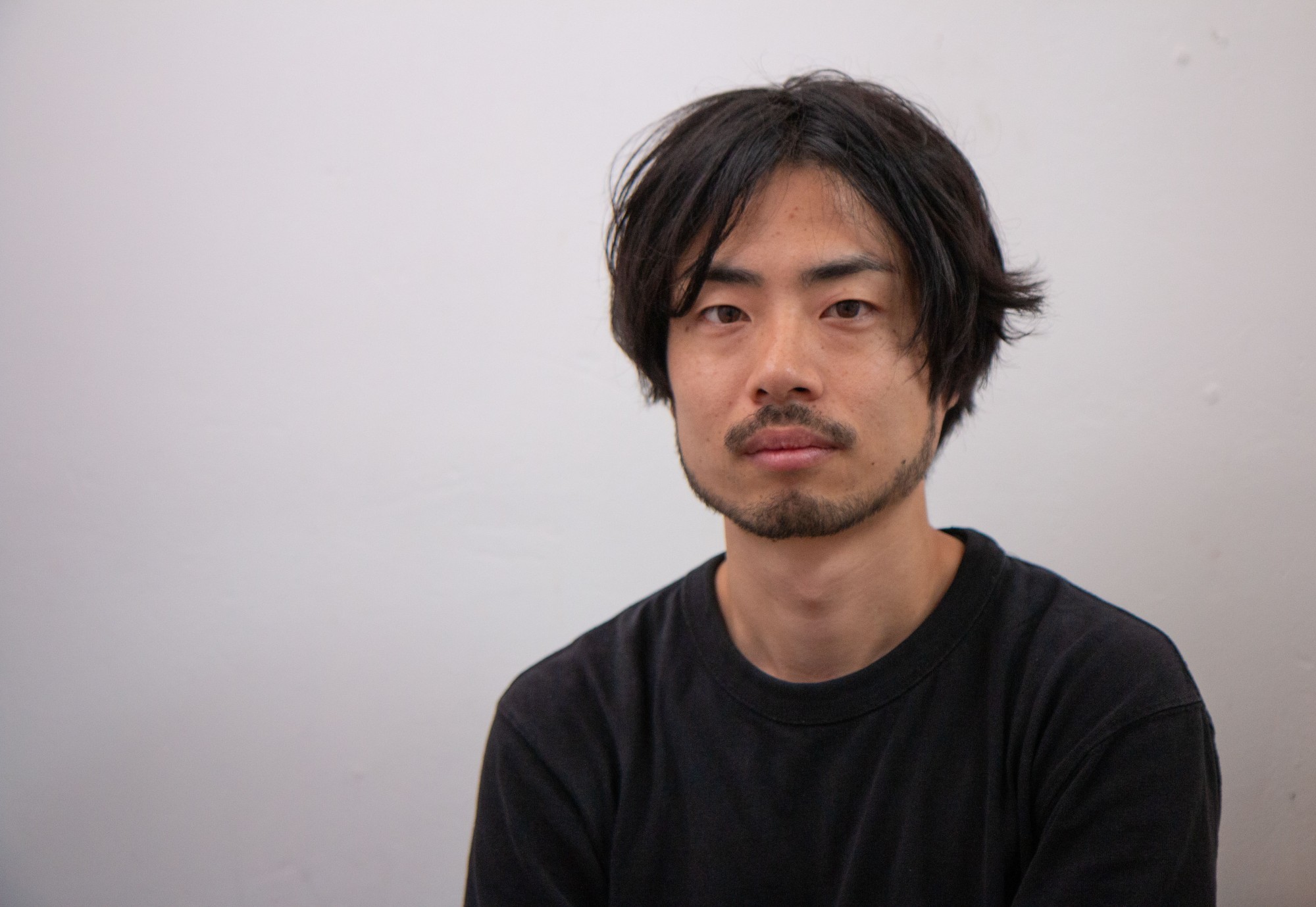 Interview: Im Gespräch mit dem in Frankreich lebenden Regisseur Atsushi Hirai konnten wir mehr über seinen Kurzfilm „Oyu“ erfahren, der im Programm des 36. Filmfest Dresden 2024 lief, warum er den Bäderbetrieb so minutiös und auch entschleunigt festhält, was er selbst an den Bädern schätzt und ob er mit Laiendarsteller:innen gearbeitet hat.
The original english language interview is also available.
Kannst Du mir zur Entstehung Deines Kurzfilms erzählen?
Okihido Yoshizawa
Ich arbeite oft mit Ortsansässigen zusammen, die keine Schauspieler sind. Ich schreibe das Drehbuch und das Storyboard, aber ich sehe sie mir während der Dreharbeiten nicht an. Ich möchte die Dinge einfangen, die am Drehort passieren. Also lasse ich die Leute improvisieren. Ich beobachte die Menschen im dokumentarischen Modus.
Auf visueller Ebene verfolgst Du einen sehr realistischen Ansatz. Erleben wir auch einen wirklichen Badebetrieb oder sind alle Menschen auch im Hintergrund Schauspieler?
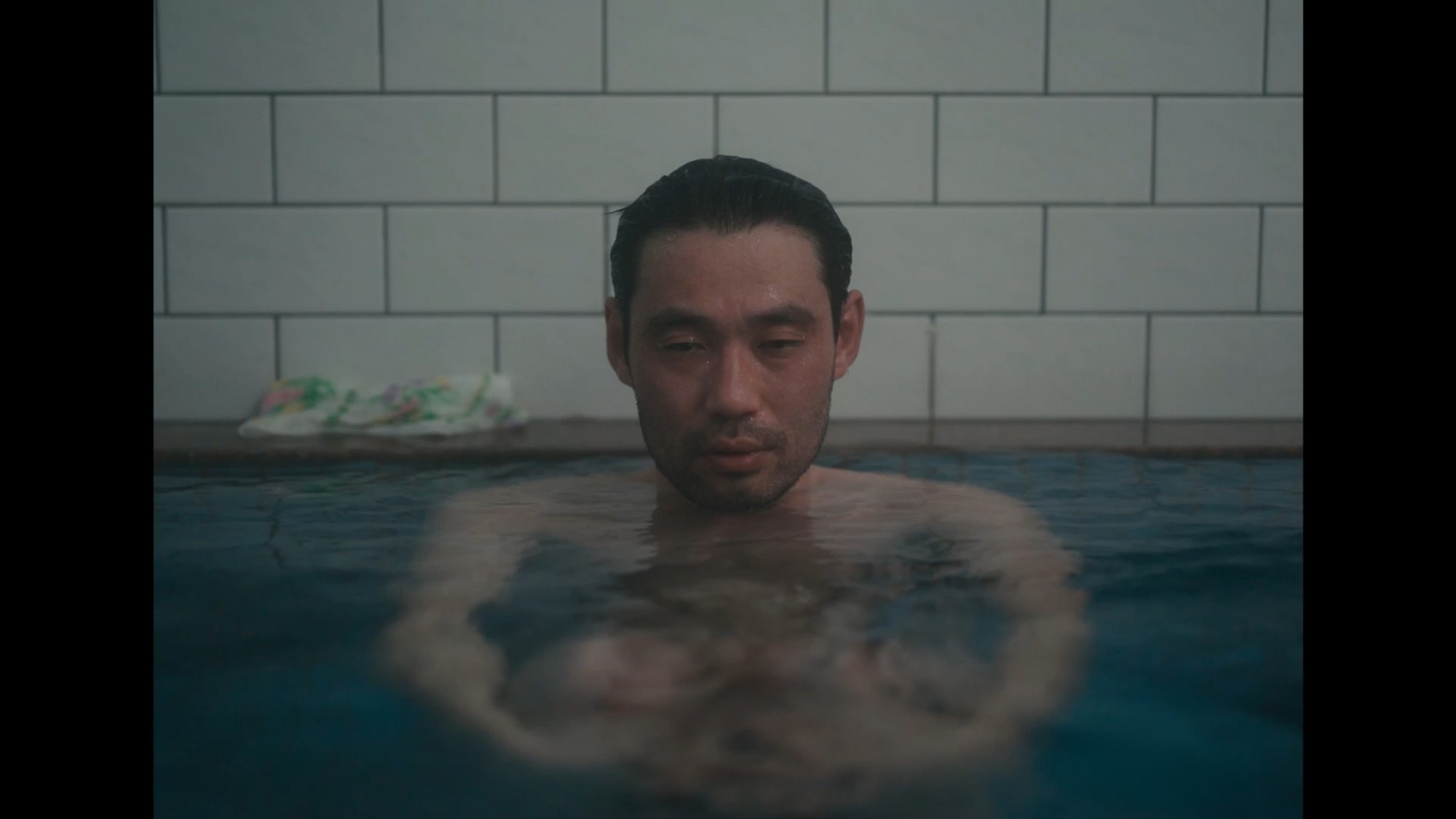
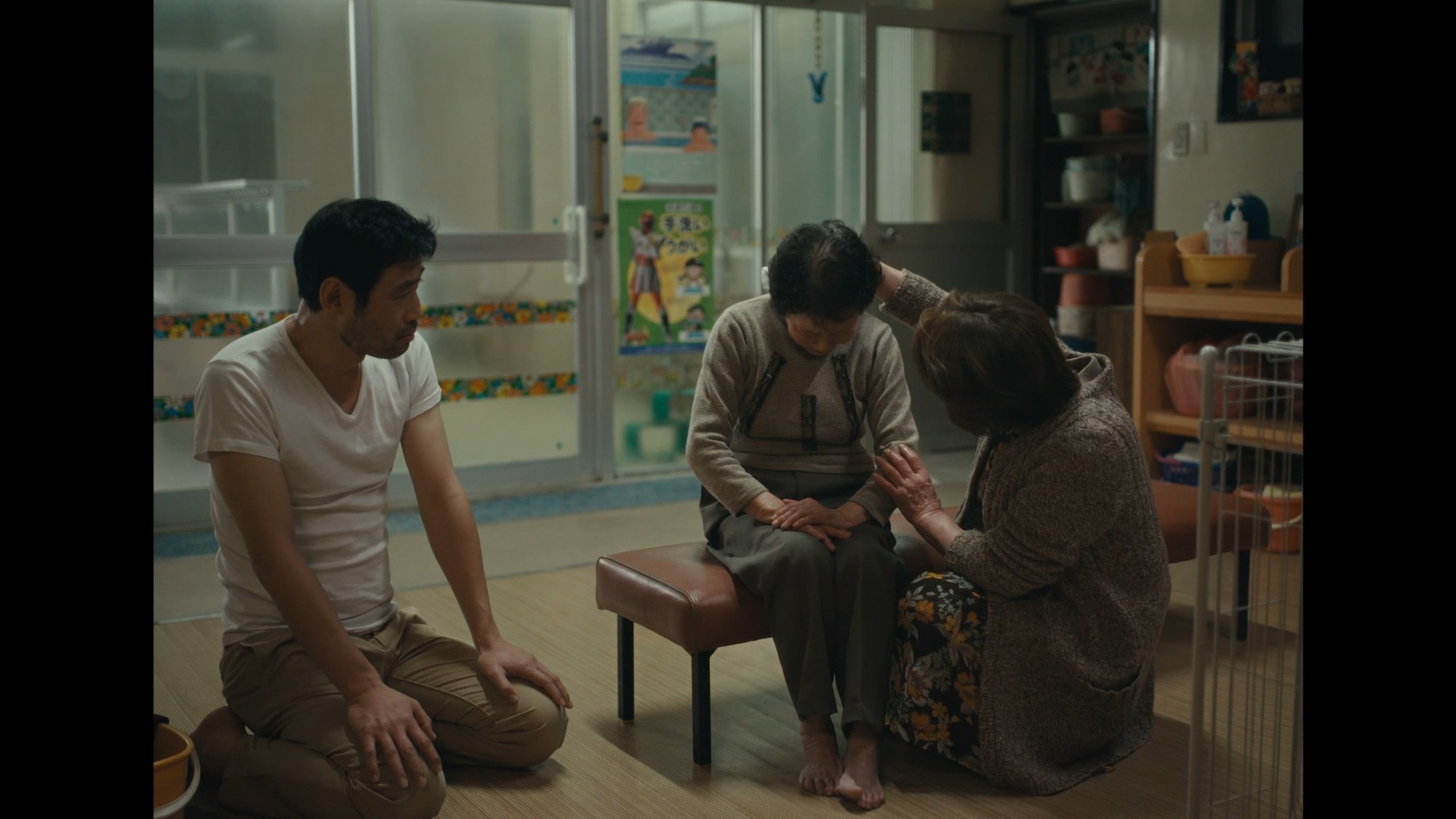
 Das öffentliche Bad, das wir im Film sehen, ist das öffentliche Bad, das ich liebe und besuche. Die Menschen im Hintergrund sind echte Kunden des Bades. Die Dame, die im Bad arbeitet, ist die Besitzerin des Bades. Die Frau, die am Ende des Films in Ohnmacht fällt, ist meine echte Großmutter. Ich brauche die realen Elemente, um den Lauf der Zeit am Set zu filmen. Denn gleichzeitig übersteigen diese Elemente meine Vorstellungskraft. Manchmal ist die Realität reicher als das Drehbuch.
Dein Hauptdarsteller spielt seine Rolle sehr gut. Wie hast Du ihn gefunden?
Okihido Yoshizawa
Ich habe ihn in einem Schauspieler-Katalog gefunden. Sein Gesicht hat mir gefallen. Dann lud ich ihn ein, mit mir ins öffentliche Bad zu gehen. Ich glaube, das erste Treffen war sehr seltsam für ihn. Ich entdeckte seine Haltung und seinen Körper, der sowohl seltsam als auch rein ist, und beschloss, ihn als meinen Hauptdarsteller zu nehmen.
Du hast erzählt, du besuchst das Bad öfters. Kannst Du mir noch etwas mehr dazu erzählen?

Okihido Yoshizawa
Wenn ich in Japan bin, gehe ich fast jeden Tag dorthin. Ich liebe diesen Ort. Es ist ein ganz gewöhnlicher Ort für Japaner. Aber er wird mehr und mehr nostalgisch. Da die neue Generation es vorzieht, zu Hause zu baden, gibt es nicht mehr viele Kunden in den öffentlichen Bädern. Die öffentlichen Bäder verschwinden also. Ich denke, mit dem öffentlichen Bad ist es wie mit dem Kino. Heutzutage kann man sich den Film auch zu Hause ansehen. Aber es ist nicht dasselbe, wie das, was wir im Kino sehen. Im Kino teilen wir Emotionen mit anderen. In einem öffentlichen Bad teilen wir gleichzeitig heißes Wasser und Emotionen. Deshalb liebe ich sie.
Ich wollte diesen Ort schon seit langem filmen. Ich finde es einen sehr einzigartigen Ort. Wir waschen unsere Körper vor den Augen der Menschen. Diese Situation gibt es sonst nirgendwo. Wir treffen nackte Menschen und teilen uns die Badewanne. Es gibt eigentlich keine Barriere mehr zwischen uns. Das schafft Intimität zwischen den Menschen.
Kannst Du mir noch ein bisschen von Dir erzählen und wie Du zum Film gekommen bist?

Am Set des Kurzfilms „Oyu“
Ich begann ein Filmstudium und arbeitete in Tokio. Aber die Arbeit in Japan gefiel mir nicht. Also beschloss ich, nach Frankreich zu gehen, wo ich einen französischen Regisseur, Damien Manivel, kennenlernte. Während ich als sein Assistent arbeitete, lernte ich von ihm eine Menge über das Kino. Er ist derjenige, der meinen Film produziert hat.
Sind bereits neue Projekte geplant?
Ich habe eine Idee für den nächsten Film. Ich weiß noch nicht, ob er lang oder kurz sein wird. Ich schreibe gerade das Drehbuch. Es ist ein Film im Science-Fiction-Genre, aber immer noch im gleichen Stil wie mein Film.
Die Fragen stellte Doreen Kaltenecker
Übersetzung von Michael Kaltenecker
Lies auch die Rezension des Kurzfilms „Oyu“
Interview: In our conversation with the French-based director Atsushi Hirai, we were able to find out more about his short film „Oyu„, which was shown in the program of the 36th Filmfest Dresden 2024, why he captures the baths so meticulously and also decelerated, what he himself appreciates about the baths and whether he worked with amateur actors.
Can you tell me about the making of your short film?
I often work with local people who are not actors. I write the script and the storyboard but I don’t look at them during filming. I would like to capture things that happen on set. So I let people improvise. I observe people in documentary mode.
On a visual level, you take a very realistic approach. Do we also get to see a real bathing establishment or are all the people in the background also actors ?
The public bath that we see in the film is the public bath that I love and frequent. The people in the background are real customers of the public bath. The lady who works at the bath is the owner of this bath. The lady who faints at the end of the film is my real grandmother. I need the real elements to film the passage of time on the set. Because at the same time, these elements exceed my imagination. Sometimes it’s richer than the script.
Your main actor plays his role very well. How did you find him?
I found it in the actor’s catalog. I liked his face. Then I invited him to go to the public bath together. I think it was very strange for him for the first meeting. I discovered his attitude and his body which is both strange and pure, I decided to take him as my main actor.
You said you visit the public bath often. Can you tell me a bit more about it?
When I’m in Japan, I go there almost every day. I love this place. It’s a very ordinary place for Japanese people. But it’s getting more and more nostalgic. As the new generation prefers to bathe at home, there are not many customers at the public bath. So public baths are disappearing. I think the public bath is like the cinema. Nowadays, one can easily watch the film at home. But it’s not the same as what we see in the cinema. In cinema, we share emotions with people. At the same public bath, we share hot water and emotions at the same time. That’s why I love them.
I’ve wanted to film this place for a long time. I find it a very unique place. We wash our bodies in front of people. This situation does not exist elsewhere. We meet naked people and share the bathtub. In fact, there is no longer any barrier between us. It creates intimacy between people.
Can you tell me a bit more about yourself and how you came to the movie?
I started studying cinema and working in Tokyo. But I didn’t like working in Japan. So I decided to go to France and I met a French director, Damien Manivel. While acting as his assistant, I learned a lot of cinematic things from him. He’s the one who produced my film.
Are there any new projects planned?
I have an idea for the next film. I don’t know yet if it’s going to be long or short. I’m writing the script. It’s a somewhat science fiction genre film but it’s still in the same style of my film.
Questions asked by Doreen Kaltenecker
Read on the german review of the short film „Oyu„