
Studium der Kunstgeschichte - Schwerpunkt: Filmgeschichte
(Abschluss 2010 mit der Arbeit "Rembrandt im Spielfilm")
Nebenfächer: Philosophie und Alte Geschichte
- seit 2012: Filmkritikerin bei movieworlds (Kino, DVD, BD, Festivalberichte)
- seit 2015: Blog 'Testkammer' online
- „No Mercy“ (2026) - 24. März 2026
- „Blue Moon“ (2025) - 23. März 2026
- Jetzt in der Mediathek! – Der Film „Gelato – Die sieben Sommer der Eisliebe“ - 22. März 2026
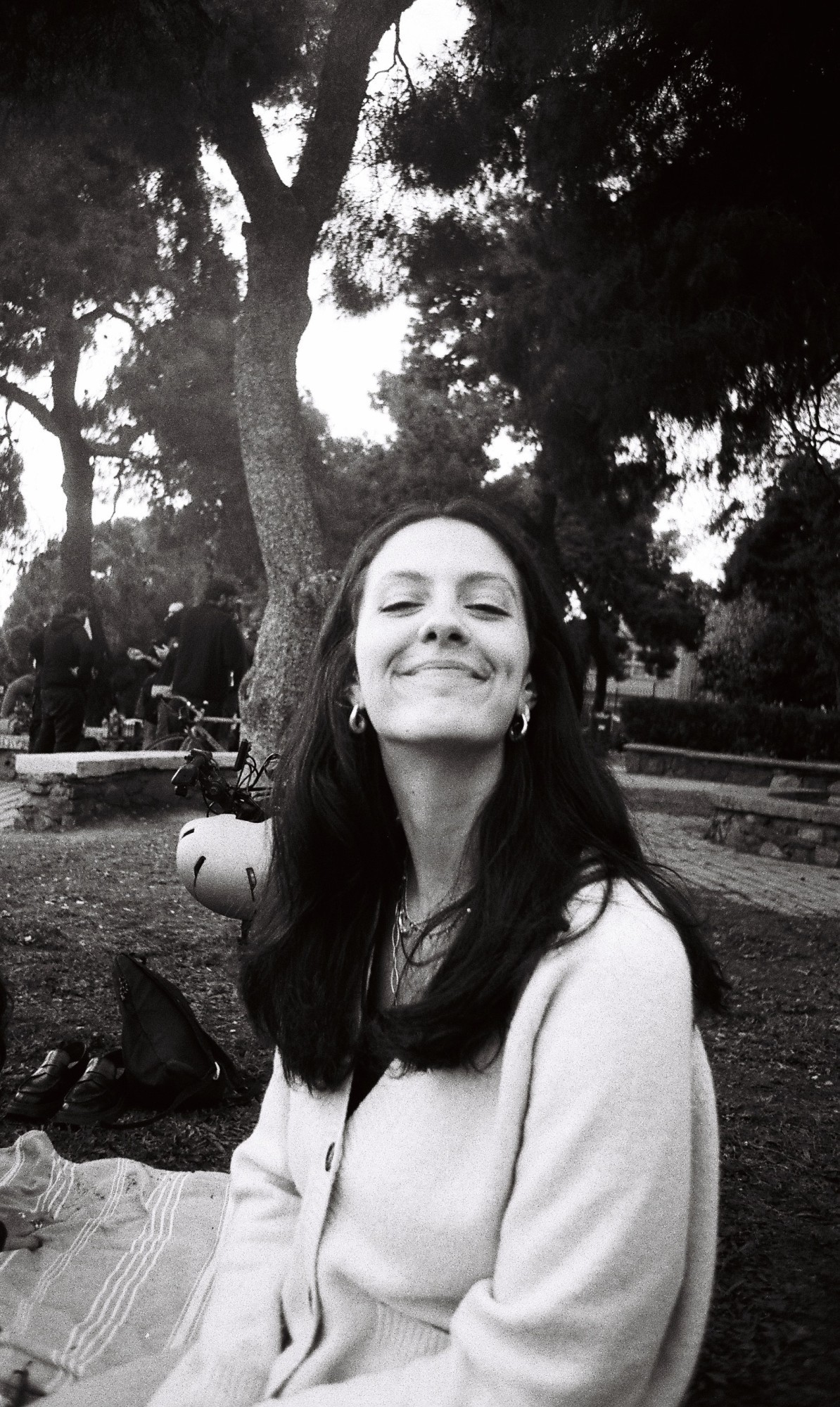 Interview: Im Gespräch mit der griechischen Filmemacherin Vicky Anastasiadou konnten wir mehr über ihren Kurzfilm „Bad Kids With Saint Names“ (OT: „Κακά Παιδιά με Ονόματα Αγίων“) erfahren, der im Kurzfilmwettbewerb des 34. Filmfestival Cottbus 2024 lief, wie die eigene Jugend zu dem Film inspiriert hat, wie wichtig ihr in allen Belangen Authentizität war und warum ihre Heimatstadt Thessaloniki der perfekte Drehort war.
The original english language interview is also available.
Wie ist die Idee zu Deiner Coming-of-Age-Geschichte entstanden? Und wann ist Dir im Prozess der tolle Titel in den Sinn gekommen?
Mit diesem Film schließe ich ein Kapitel meines Lebens ab, denn er dient mir als Abschlussarbeit für die Filmschule. Es lag nahe, über einen früheren „sich schließenden Kreis“ nachzudenken – meine Teenagerjahre. Ich wollte die Erfahrungen und Gefühle erforschen, die mich in dieser Zeit geprägt haben. Die Geschichte ist sehr persönlich, denn sie zeigt, wie meine Freundschaften aus dieser Zeit mich zu dem gemacht haben, was ich heute bin, und wie ich erkannt habe, wie wichtig diese Beziehungen sind. Der Titel des Films entstand während der Vorproduktion. Ursprünglich hatten wir einen anderen Arbeitstitel, aber alles änderte sich, als Grizzle, der Rapper, der den Soundtrack für den Film schrieb, mir einen unveröffentlichten Song vorspielte. In dem Text erwähnte er etwas in der Art von „wir sind alle böse Kinder, die von Heiligen benannt wurden“. Die Art und Weise, wie ich diesen Text interpretierte, brachte mich sofort auf das Bild der Kinder auf der Straße – derjenigen, die oft als „böse“ bezeichnet werden, weil sie rebellisch sind oder sich an illegalen Handlungen beteiligen. Aber für mich sind das die echtesten Kinder. Sie mögen sich aufführen, aber ihre Authentizität sticht hervor.
Was sagt Dein Film über die Jugendlichen in Griechenland aus?
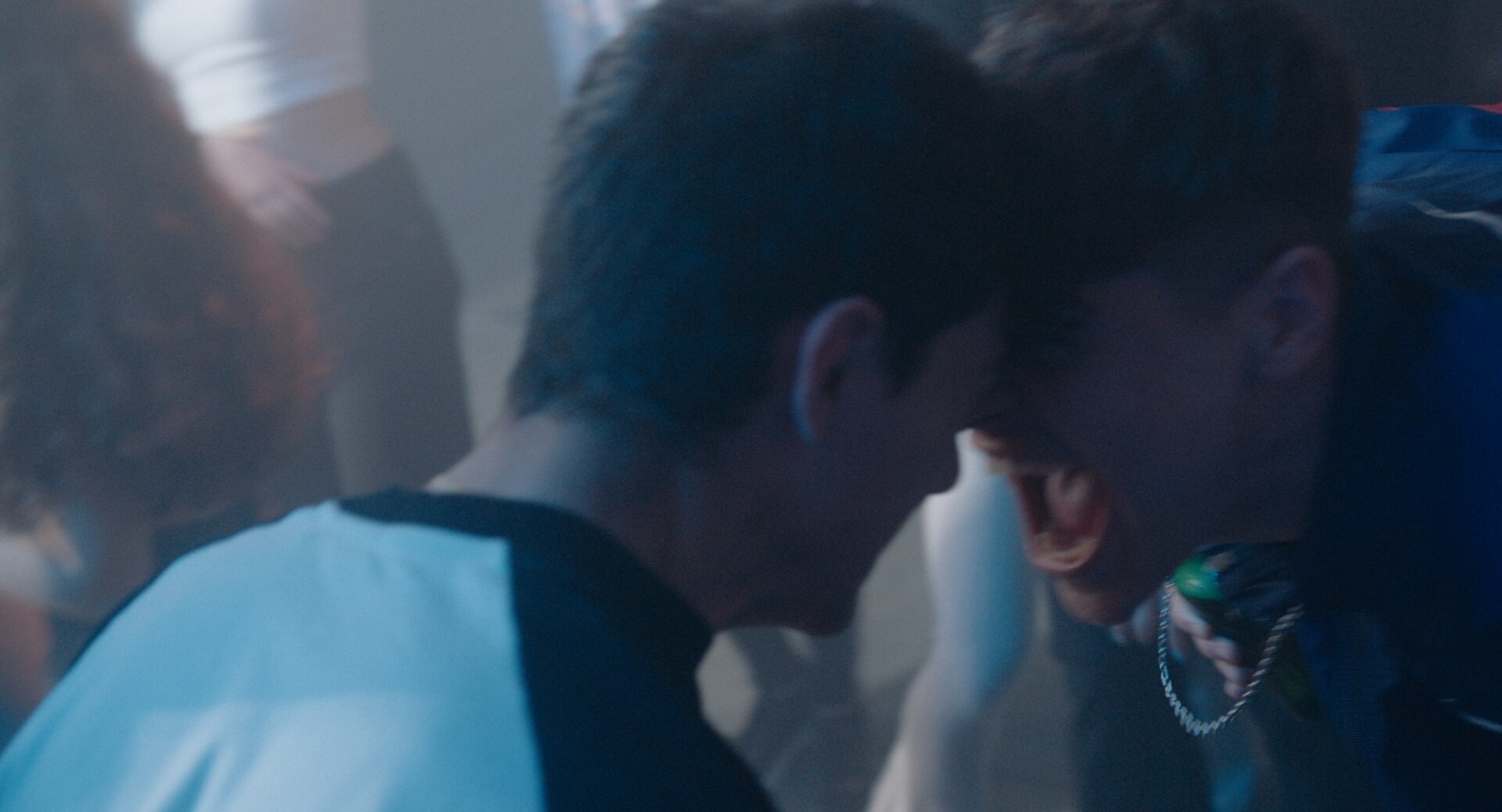
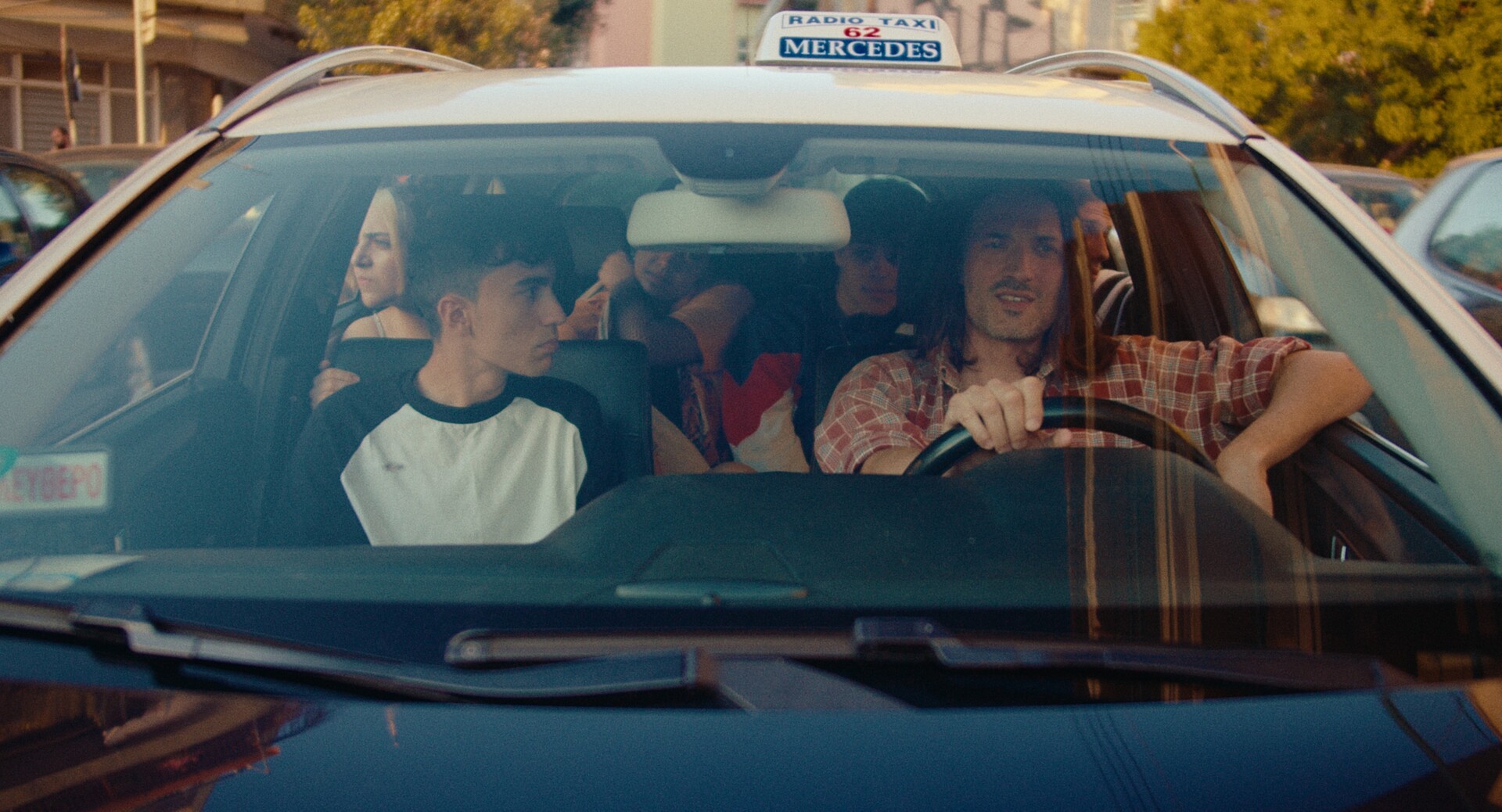 Meiner Meinung nach ist „Bad Kids With Saint Names“ ein Film, der einen Einblick in das Leben junger Menschen in Griechenland bietet, insbesondere in städtischen Gegenden und in der Arbeiterklasse. Er zeigt ihre Enttäuschung über gesellschaftliche Zwänge, ihre Rebellion gegen Autoritäten und den sozioökonomischen Druck, dem sie ausgesetzt sind. Der Film behandelt vor allem das Thema häusliche Gewalt anhand der Beziehung zwischen Michalis und seinem Vater und spiegelt auf ergreifende Weise die Realität wider, mit der viele junge Menschen in Griechenland konfrontiert sind. Der Film kritisiert auch die gesellschaftlichen und kulturellen Faktoren, die den Missbrauch begünstigen, und hebt gleichzeitig die Widerstandsfähigkeit der Jugendlichen hervor, die alternative Formen von Familie und Solidarität innerhalb ihrer Peer-Group finden. Trotz dieser Herausforderungen hebt die Geschichte die tiefe Kameradschaft und Solidarität innerhalb ihrer Gleichaltrigengruppe, ihre Suche nach Identität und ihre Widerstandsfähigkeit hervor. Der Film fängt die Kluft zwischen den Generationen und die rohe Energie der Jugendlichen ein, die sich in einer Welt mit begrenzten Möglichkeiten trotzig und mit einer Sehnsucht nach Freiheit bewegen. In seinem Kern ist der Film ein Zeugnis ihrer Kämpfe, ihrer Verbundenheit und ihrer Hoffnung auf Handlungsfähigkeit in einer komplexen und oft unversöhnlichen Umgebung.
Wie lange und wo genau habt ihr gedreht?
Die Dreharbeiten dauerten sieben Tage im Frühjahr 2023, und wir drehten alles in meiner Heimatstadt Thessaloniki. Ich habe eine tiefe Liebe zu dieser Stadt und glaube fest an ihr Potenzial und das Talent ihrer Bewohner. Thessaloniki hat einen einzigartigen Charme – wunderschön melancholisch und doch warm und intim, was perfekt zum Ton der Geschichte passte.
Was lag Dir visuell am Herzen?
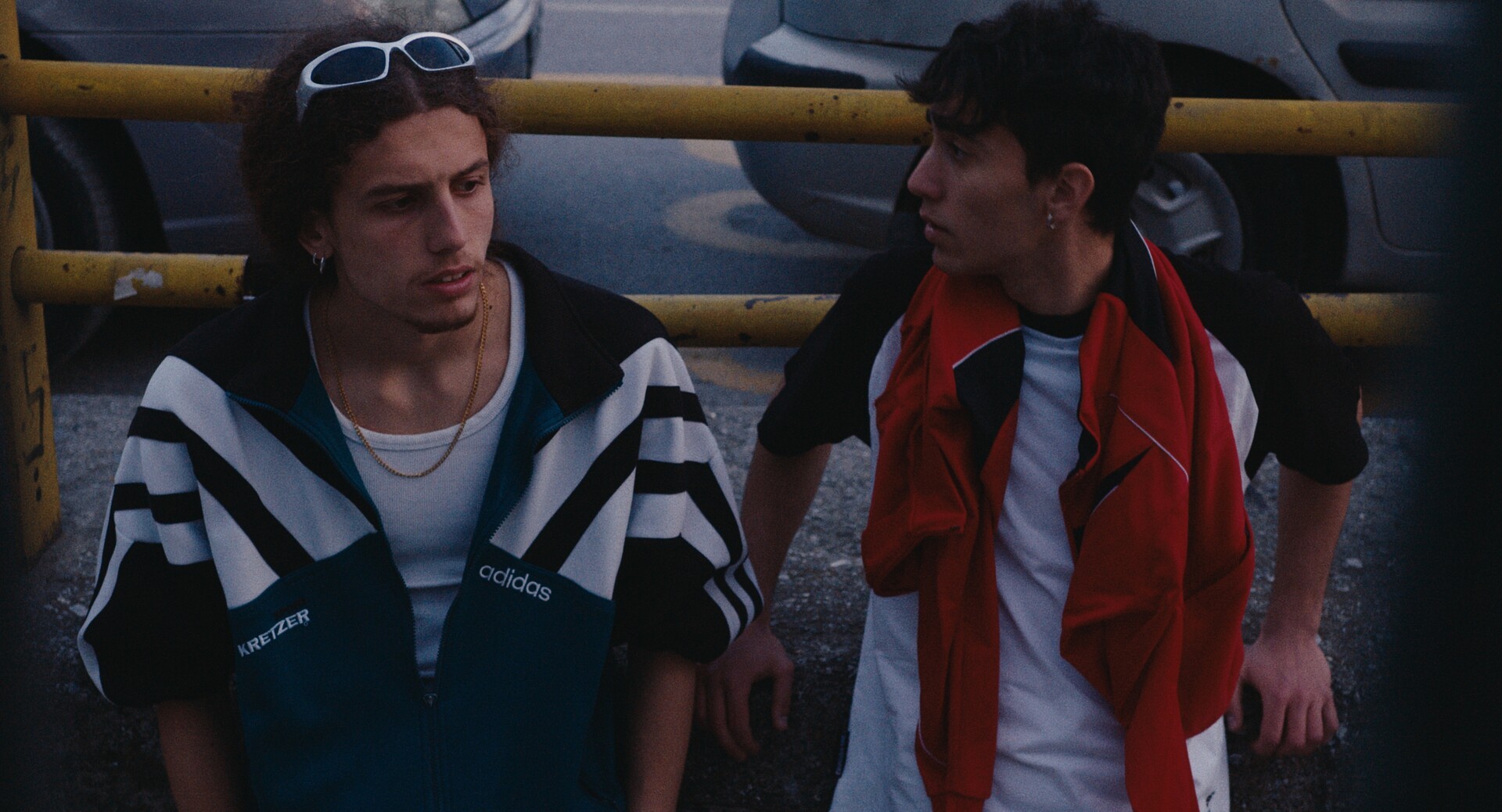 Für mich war es wichtig, dass die Bilder einen Hauch von Atem und Offenheit haben. Ich wollte, dass sich die Kamera organisch mit den Kindern bewegt, dass sie fließend und dynamisch bleibt. Manchmal haben die Bilder eine dokumentarische Qualität, weil mein ganzer Ansatz auf Realismus beruht. Während der Proben arbeitete ich eng mit den Kindern zusammen, um herauszufinden, wie sie sich mit der Geschichte und ihren Rollen innerhalb der Freundesgruppe identifizieren. Ihre Improvisationen wirkten oft so authentisch, dass wir sie in das Drehbuch aufgenommen haben.
Die Darsteller:innen sind sehr gut ausgewählt – wie hast Du sie besetzt und nach welchen Kriterien?
Der Casting-Prozess für den Film begann in Thessaloniki, wo ich nach Teenagern suchte, die die Figuren authentisch zum Leben erwecken konnten. Ich entdeckte einen lokalen Theaterkurs für Jugendliche und besuchte zusammen mit meiner besten Freundin und Produktionsleiterin Ioanna eine ihrer Proben – zugegebenermaßen fühlte ich mich ein bisschen wie ein „Ekel“, als ich vom Rand aus zusah! Am Ende der Probe sprach ich einige der Schüler an, tauschte Nummern aus und lud sie später zu einem Casting ein, um sicherzustellen, dass sie für die Rollen geeignet waren. Für mich war es wichtig, dass sie sich in die Erfahrungen und Herausforderungen ihrer Figuren hineinversetzen konnten, entweder durch ihr eigenes Leben oder durch ihre Fähigkeit, sich tief in das Drehbuch einzufühlen. Diese Nachvollziehbarkeit war entscheidend, um eine geerdete und authentische Darstellung zu erreichen. Ein weiterer Vorteil war, dass sie bereits vor dem Film befreundet waren, was eine natürliche Chemie und Kameradschaft in ihre Dynamik einbrachte und die Authentizität ihrer Beziehungen auf der Leinwand verstärkte.
Kannst Du mir noch ein bisschen mehr von Dir erzählen und wie Du zum Film gekommen bist?
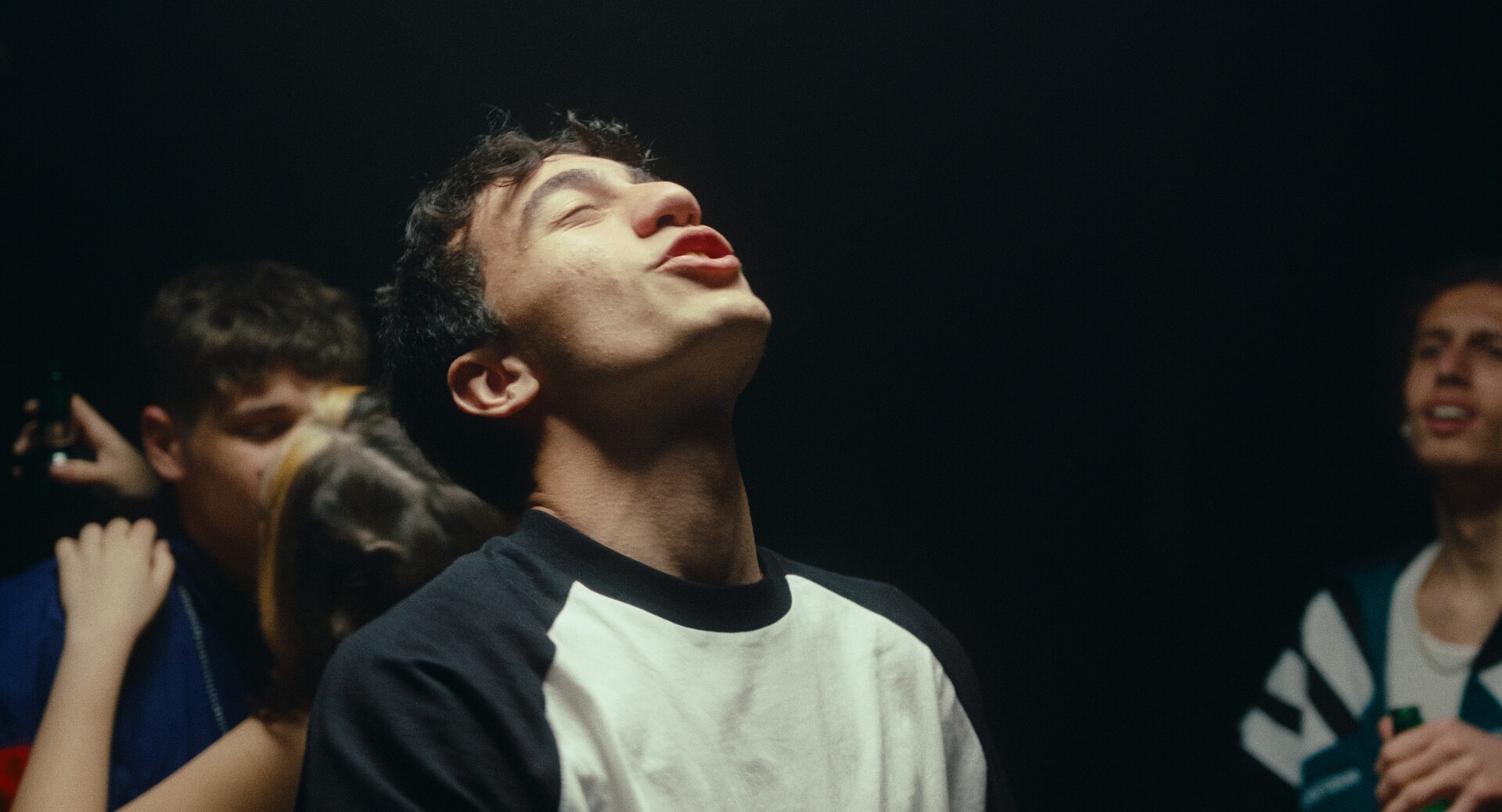 Seit ich ein Teenager war, hatte ich immer einen Instinkt dafür, die Welt um mich herum, insbesondere meine Freunde, mit einer kleinen Kamera einzufangen, die mir meine Tante geschenkt hatte. Ich liebte es, sie zu beobachten, auch wenn sie es nicht bemerkten, und dann nach Hause zu gehen, um diese Momente in kleine Filme zu schneiden. Sie später mit ihnen zu teilen und auf ihr Lachen oder ihre nostalgischen Reaktionen zu warten, machte mich so glücklich – es fühlte sich wie Magie an zu sehen, wie diese kleinen Einblicke in das Leben solche Emotionen hervorrufen konnten.Als ich älter wurde und entdeckte, dass es in meiner Heimatstadt eine Filmschule gab, war das ein natürlicher nächster Schritt. Ich wollte tiefer in meinen Instinkt eintauchen, Geschichten zu erzählen – nicht nur für meine Lieben, sondern auch für ein größeres Publikum. Das Filmemachen wurde für mich zu einer Möglichkeit, Kontakte zu knüpfen, zu erforschen und Momente zu teilen, die sonst vielleicht unbemerkt bleiben würden, die aber so viel Bedeutung haben.
Sind bereits neue Projekte geplant?
 Ich arbeite gerade an meinem nächsten Kurzfilm, der im Februar in Thessaloniki gedreht werden soll. Das Drehbuch basiert auf wahren Begebenheiten und wurde von meinem Freund Nikos geschrieben. Es ist sehr persönlich und bedeutet uns beiden viel. Die Geschichte ist inspiriert von einem Unfall, den Nikos im Sommer 2020 im Alter von 24 Jahren hatte und bei dem er querschnittsgelähmt wurde. Der Film konzentriert sich auf seine Zeit in einem Rehabilitationszentrum und seine Reise, auf der er sich mit seiner neuen Realität arrangiert und sich mit dem tiefgreifenden Verlust seiner körperlichen Autonomie konfrontiert.obwohl das Thema unbestreitbar ernst ist, nähern wir uns ihm mit einer Kombination aus Rohheit und schwarzem Humor, die Nikos‘ eigene Perspektive und Widerstandsfähigkeit widerspiegelt. Der Ton ist ungefiltert und ehrlich, um die emotionale Komplexität einer solchen Erfahrung einzufangen, wobei wir die Momente des Schmerzes mit dem trotzigen Humor ausgleichen, der oft in den dunkelsten Zeiten auftaucht.
Die Fragen stellte Doreen Kaltenecker
Übersetzung von Michael Kaltenecker
Lies auch die Rezension des Kurzfilms „Bad Kids With Saint Names“
Interview: In our conversation with Greek filmmaker Vicky Anastasiadou, we found out more about her short film „Bad Kids With Saint Names“ (OT: „Κακά Παιδιά με Ονόματα Αγίων„), which was screened in the short film competition of the 34th Cottbus Film Festival 2024, how her own youth inspired the film, how important authenticity was to her in all respects and why her hometown of Thessaloniki was the perfect location.
How did the idea for your coming-of-age story come about?And when did you come up with the great title during the process?
This film represents the closing of a chapter in my life, as it serves as my thesis project for graduating film school. It felt natural to reflect on a previous „closing circle“ — my teenage years. I wanted to explore the experiences and emotions that shaped me during that time. The story is deeply personal, as it highlights how my friendships during those years have been instrumental in shaping who I am today and how I came to realize just how important those connections are. The title of the film came about during pre-production. Initially, we had a different working title, but everything changed when Grizzle, the rapper who wrote the soundtrack for the film, played me an unreleased song. In the lyrics, he mentioned something along the lines of „we are all bad kids named by saints.“ The way I interpreted that lyric immediately brought me to the image of kids on the street — the ones who are often labeled as „bad“ for being rebellious or engaging in illegal actions. But to me, these are the most genuine kids. They might act out, but their authenticity stands out.
What does your film say about the young people in Greece?
I think ‘’Bad Kids With Saint Names’’ is a film that offers a glimpse into the lives of young people in Greece, particularly in urban, working-class settings. It portrays their disillusionment with societal constraints, their rebellion against authority, and the socioeconomic pressures they face. It mainly touches on the issue of domestic abuse through Michalis’s relationship with his father, providing a poignant reflection of the realities many young people face in Greece. It also critiques the societal and cultural factors that allow abuse to persist, while emphasizing the resilience of youth who find alternative forms of family and solidarity within their peer groups. Despite these challenges, the story highlights the deep camaraderie and solidarity within their peer group, their search for identity, and their resilience. It captures the generational disconnect and the raw energy of youth as they navigate a world of limited opportunities with defiance and a yearning for freedom. At its core, the film is a testament to their struggles, their bonds, and their hope for agency in a complex and often unforgiving environment.
How long and where exactly did you shoot?
The shoot lasted seven days in the spring of 2023, and we filmed everything in my hometown, Thessaloniki. I have a deep love for this city and a strong belief in its potential and the talent of its people. Thessaloniki has a unique charm—beautifully melancholic yet warm and intimate, which perfectly complemented the tone of the story.
What was important to you visually?
For me, it was essential to maintain a sense of breath and openness in the visuals. I wanted the camera to move organically with the kids, keeping it fluid and dynamic. At times, the imagery takes on a documentary-like quality because my entire approach was grounded in realism. During rehearsals, I worked closely with the kids, exploring how they connected with the story and their roles within the group of friends. Their improvisations often felt so authentic that we incorporated them into the script.
The actors are very well chosen – how did you cast them and according to what criteria?
The casting process for the film began in Thessaloniki, where I was searching for teenagers who could authentically bring the characters to life. I discovered a local theater class for teenagers and, with my best friend and production manager Ioanna, attended one of their rehearsals—admittedly feeling a bit like a „creep“ as I observed from the sidelines! At the end of the rehearsal, I approached some of the students, exchanged numbers, and later invited them to a casting session to ensure they fit the roles.I had clear ideas about what I was looking for in the actors. It was essential for me that they could naturally resonate with the experiences and challenges of their characters, either through their own lives or their ability to connect deeply with the script. This relatability was vital for creating grounded and authentic performances. A bonus was that they were already friends before the film, which brought a natural chemistry and camaraderie to their dynamic, enhancing the authenticity of their on-screen relationships.
Can you tell me a bit more about yourself and how you came to filmmaking?
Since I was a teenager, I’ve always had an instinct to capture the world around me, especially my friends, with a small camera my aunt gifted me. I loved observing them, even when they didn’t notice, and then going home to edit those moments into little films. Sharing these with them later, waiting for their laughter or nostalgic reactions, brought me so much happiness—it felt like magic to see how those small glimpses of life could evoke such emotions.As I grew older and discovered that there was a film school in my hometown, it felt like a natural next step. I wanted to dive deeper into this instinct of mine to tell stories—not just for my loved ones but for wider audiences too. Filmmaking became my way to connect, to explore, and to share moments that might otherwise go unnoticed, but which carry so much meaning.
Are there any new projects planned?
I’m currently working on my next short film, which is scheduled to shoot this February in Thessaloniki. It’s a script based on real events, written by my friend Nikos, and it’s deeply personal and meaningful to both of us. The story is inspired by an accident Nikos had during the summer of 2020, at the age of 24, which left him tetraplegic. The film focuses on his time in a rehabilitation center and his journey of coming to terms with his new reality, confronting the profound loss of his physical autonomy.While the theme is undeniably serious, we approach it with a combination of rawness and black humor, reflecting Nikos’s own perspective and resilience. The tone is unfiltered and honest, aiming to capture the emotional complexity of such an experience—balancing moments of pain with the defiant humor that often emerges in the darkest times.
Questions asked by Doreen Kaltenecker
Read on the german review of the short film „Bad Kids With Saint Names„