
Studium der Kunstgeschichte - Schwerpunkt: Filmgeschichte
(Abschluss 2010 mit der Arbeit "Rembrandt im Spielfilm")
Nebenfächer: Philosophie und Alte Geschichte
- seit 2012: Filmkritikerin bei movieworlds (Kino, DVD, BD, Festivalberichte)
- seit 2015: Blog 'Testkammer' online
- „S’Tuntschi vo Juf“ (2026) - 26. März 2026
- Kinostarts 26.03.2026 - 25. März 2026
- „No Mercy“ (2026) - 24. März 2026
 Jana Gertz
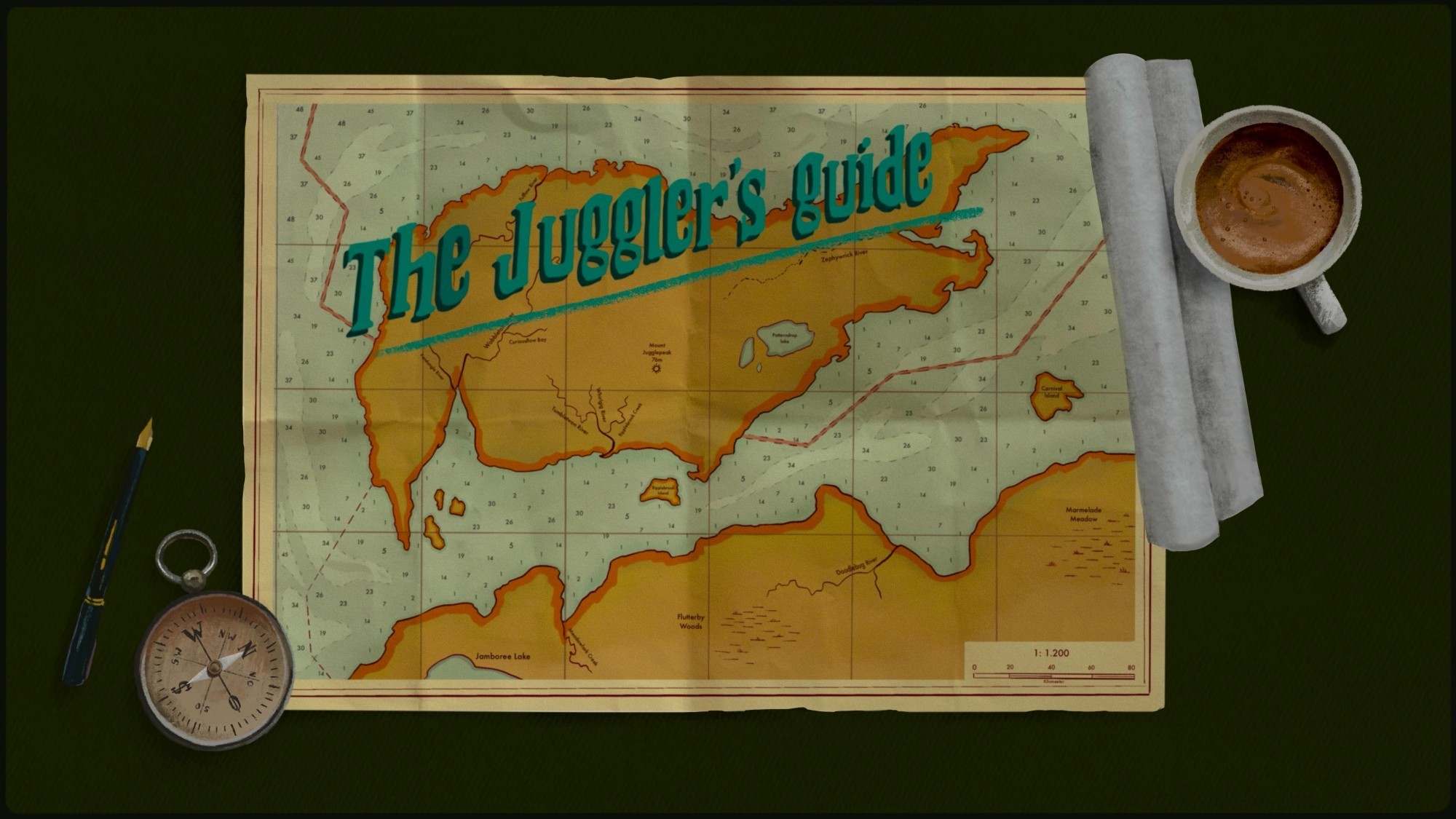
 Interview: Im Gespräch mit der estnischen Regisseurin Rebeka Kruus konnten wir mehr über ihren Kurzfilm „The Juggler’s Guide“ erfahren, der auf dem 40. interfilm Festival Berlin 2024 lief, wie die Geschichte entstand, welche Werke sie inspirierten und sie gibt uns sogar eine Interpretationshilfe für ihren surrealen Animationsfilm.
The original english language interview is also available.
Wie ist die Idee zu Deinem surrealen Kurzfilm entstanden?
Der Jongleur, die Hauptfigur des Films, ist lose inspiriert von einem alten Tanzstück aus einem örtlichen Theater. Von da an haben sich die Welt und alles andere einfach organisch ergeben.
Die Geschichte lädt zum Interpretieren ein – magst Du eine Interpretationshilfe geben?
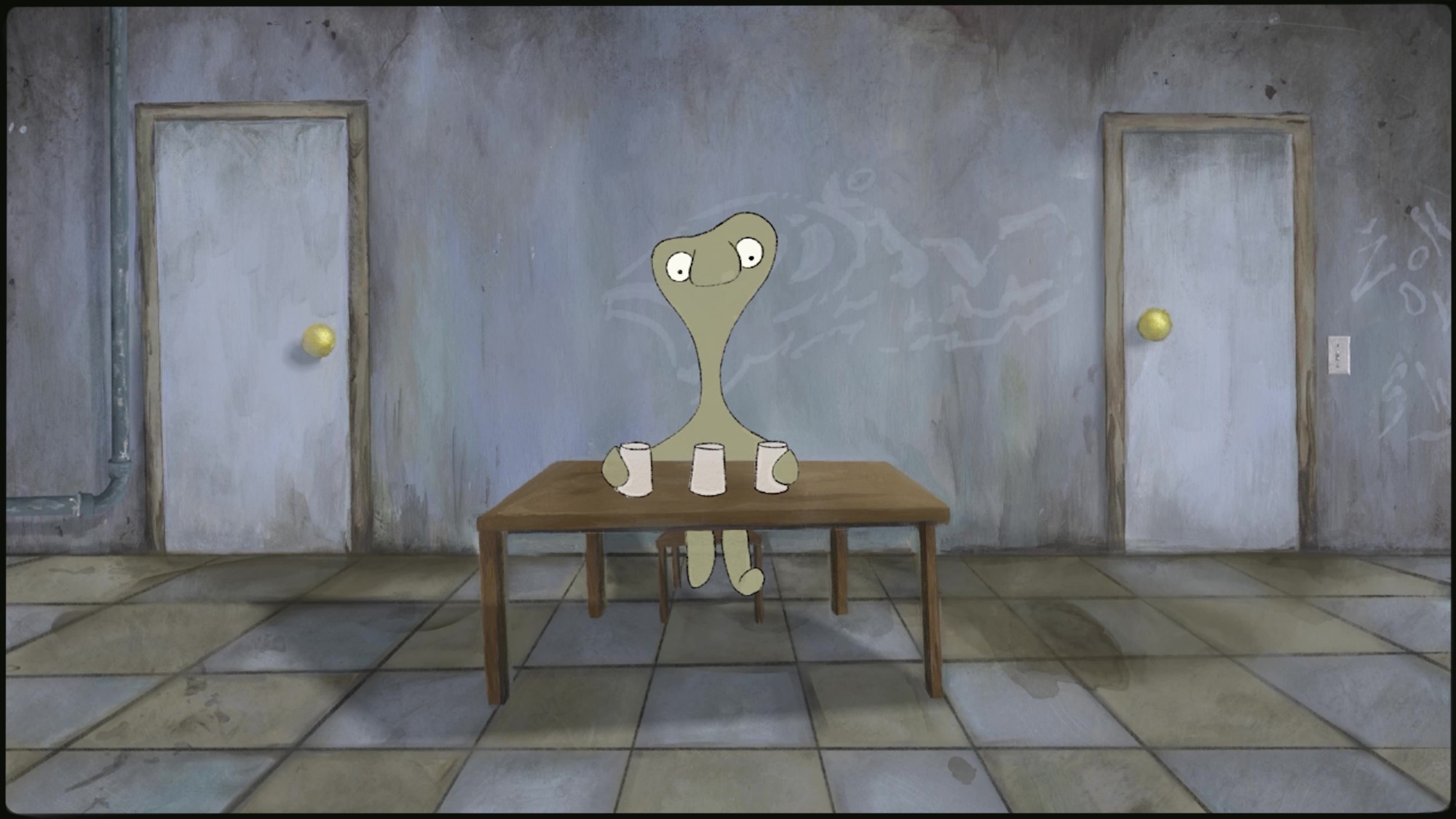
 In dem Film folgen wir einem Jongleur, der seine Jonglierbälle verliert, sich auf eine Reise begibt, um sie wiederzufinden, und gerade, als er sie wieder hat, werden sie ihm wieder gestohlen.
Für mich spiegelt dies die endlosen Kreisläufe wider, in denen wir oft gefangen sind – ob es sich nun um Sucht oder andere destruktive Gewohnheiten handelt. Selbst wenn wir von anderen unterstützt werden, kann es sich wie ein endloser Kampf anfühlen, sich zu befreien. In dieser Hinsicht bietet meine Geschichte nicht wirklich ein Happy End.
Was hat Dich zur Geschichte – also andere Filmemacher oder Künstler – inspiriert?
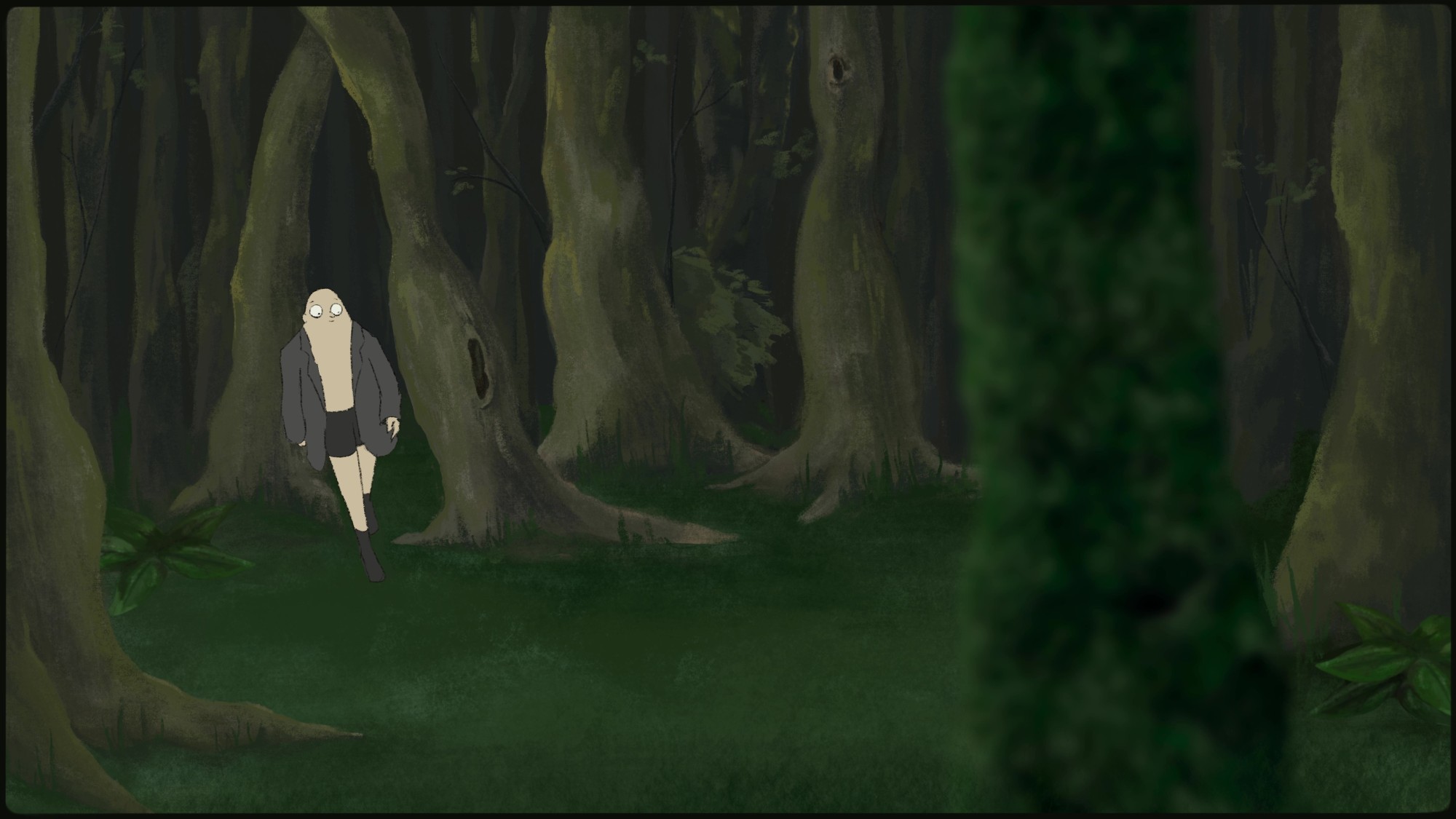 Es gibt so viele Einflüsse, dass ich den ganzen Tag über sie reden könnte! Aber vor allem die zeitgenössische estnische Animationsszene war eine große Inspiration für mich. Ich habe das Gefühl, dass die Filme hier eine so ausgeprägte Qualität haben, etwas wirklich Einzigartiges, das man nirgendwo anders findet.
In welchem Rahmen – finanziell wie zeitlich – ist Dein Kurzfilm entstanden?
Ich habe den Film während meines Bachelor-Studiums an der Estnischen Kunstakademie erstellt, mit einer Frist von einem Jahr. Aber wie das so ist, dauerte es am Ende drei Jahre, in denen ich immer wieder daran gearbeitet habe. Was den finanziellen Aspekt angeht, so wurde der Film mit einem Null-Budget gedreht. Die einzige wirkliche Ausgabe war eine Flasche Wein für meine wunderbaren Freunde, die das Sounddesign gemacht haben.
Kannst Du mir zu den Animationen selbst erzählen? Was war Dir visuell wichtig?
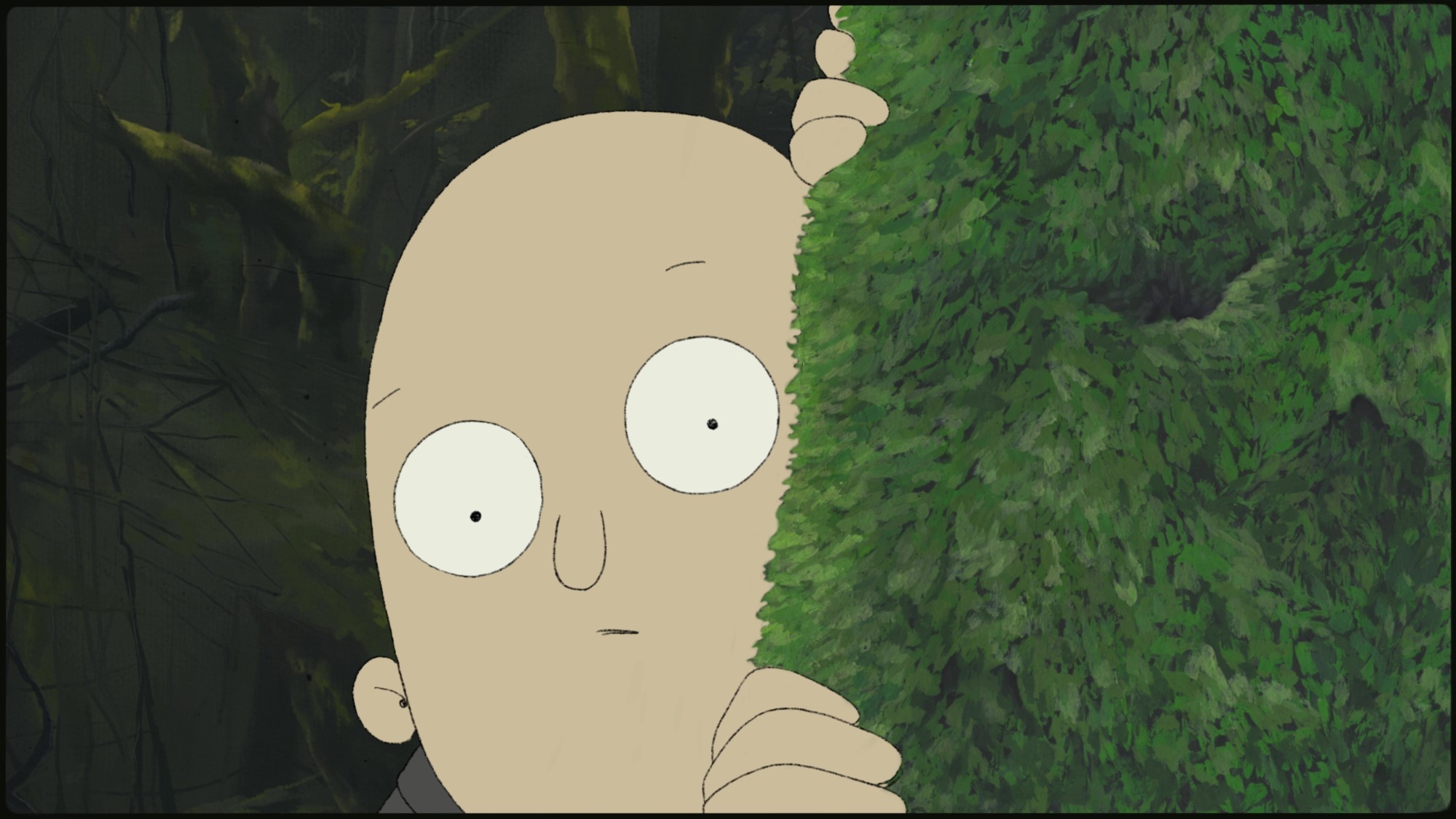 Der Rhythmus war entscheidend. Der Film wurde vom zeitgenössischen Tanz inspiriert, daher wollte ich ein Gefühl der ständigen Bewegung beibehalten und sicherstellen, dass der Rhythmus während des gesamten Films lebendig bleibt. Visuell war es eine Herausforderung, ein organisches Gefühl sowohl für die Animation der Figuren als auch für den Hintergrund zu erreichen. Schließlich entschied ich mich, alle Hintergründe von Hand mit Gouache zu malen, was dem Film die gewünschte Textur und Tiefe verlieh.
Warum hast Du Dich dafür entschieden, auf Dialoge zu verzichten?
Das Schreiben von Dialogen hat sich für mich immer seltsam und unnatürlich angefühlt. Ich habe mich viel wohler gefühlt, wenn ich mich auf Bewegungen verlassen konnte, und für diese spezielle Geschichte war das der richtige Ansatz.
Kannst Du mir noch ein bisschen mehr von Dir erzählen und wie Du zum Film gekommen bist?
 Ich habe schon immer geglaubt, dass Animationsfilme das Coolste sind, was es auf diesem Planeten gibt. Als ich die Möglichkeit bekam, meine eigenen Filme zu machen, habe ich sofort zugegriffen. Letztes Jahr kehrte ich an die Estnische Kunstakademie zurück, um meinen Master zu machen, und war noch aufgeregter, einen neuen Film zu drehen. Außerdem arbeite ich als Filmvorführerin, das heißt in meinem kleinen abgedunkelten Projektorraum schaue ich mir entweder Filme eine Milliarde Mal an, lese Bücher oder stricke Socken für meine Freunde.
Sind bereits neue Projekte geplant?
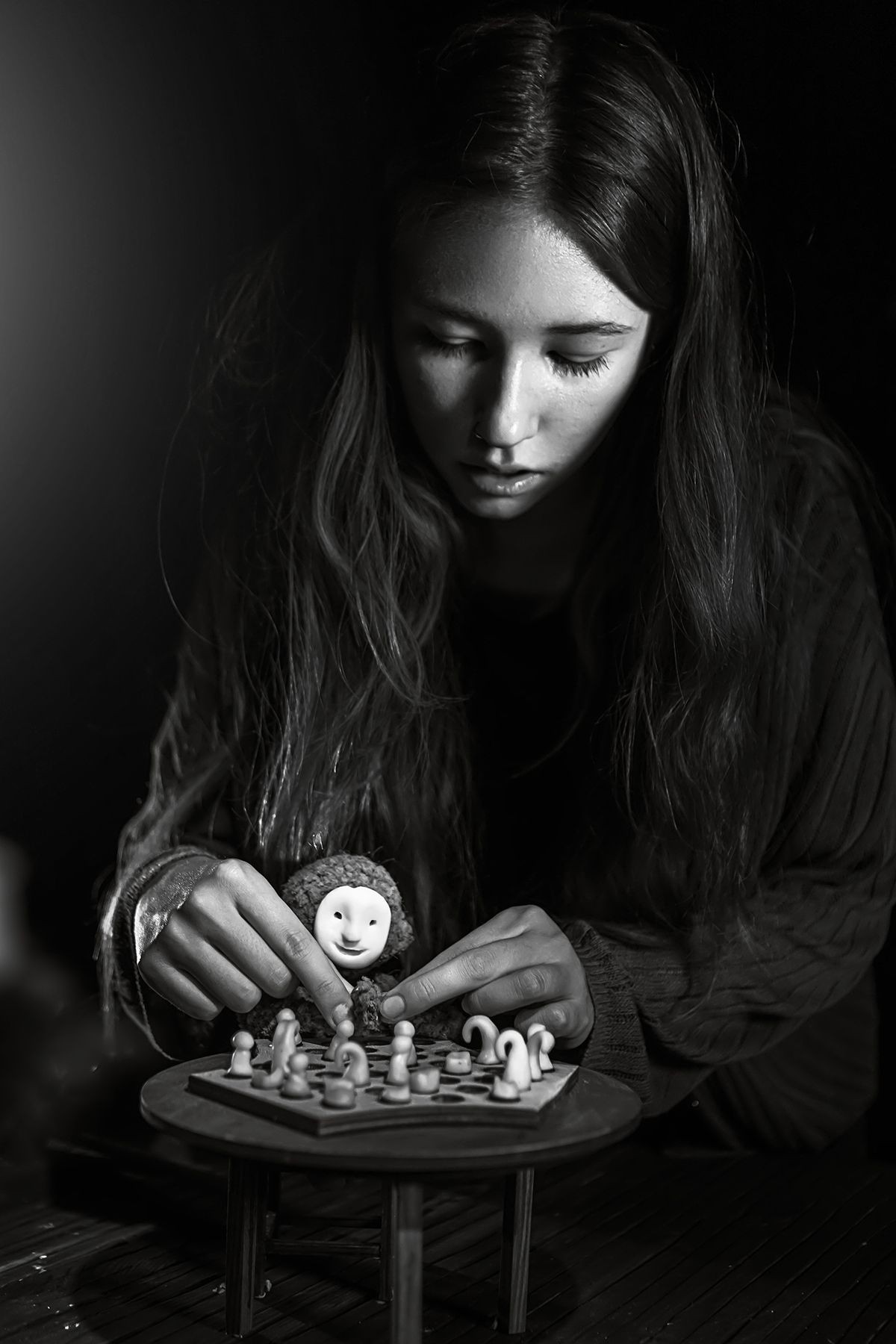
 Derzeit befinde ich mich in der Vorproduktion für meinen nächsten Film. Diesmal wird er im Stop-Motion-Verfahren gedreht, und ich möchte die melancholische, graue Atmosphäre des Novembers und alles, was dazugehört, einfangen – die Farbpalette wird also definitiv von der des letzten Films abweichen. Ich habe vor, ihn bis Herbst 2026 fertigzustellen, also haltet die Augen offen!
Die Fragen stellte Doreen Kaltenecker
Übersetzung von Michael Kaltenecker
Lies auch die Rezension des Kurzfilms „The Juggler’s Guide“
Interview: In our conversation with Estonian director Rebeka Kruus, we learned more about her short film „The Juggler’s Guide„, which screened at the 40th interfilm Festival Berlin 2024, how the story came about, which works inspired her and she even gives us an interpretation guide for her surreal animated film.
How did the idea for your surreal short film come about?
The Juggler, the film’s central character, is loosely inspired by an old interpretive dance piece from a local theater. From there, the world and everything else just fell into place organically.
The story invites interpretation – would you like to give an interpretation aid?
In the film, we follow a juggler who loses his juggling balls, he goes on a journey to retrieve them, and, just as he’s reunited with them, they’re stolen again. To me, this reflects the endless cycles we often find ourselves trapped in—whether it’s addiction or other destructive habits. Even with support from others, breaking free can feel like an endless struggle. In that way, my story doesn’t really offer a happy ending.
What inspired you to create the story – other filmmakers or artists?
There are so many influences, I could talk about them all day! But the contemporary Estonian animation scene, in particular, has been a huge inspiration for me. I feel that the films here have such a distinct quality to them, something truly unique that’s hard to find anywhere else.
In what context – financially and in terms of time – was your short film made?
I created the film during my bachelor’s at the Estonian Academy of Arts, with a one year deadline. But, as things go, it ended up taking three years of on-and-off work. As for the financial aspect, the film was made on a zero budget. The only actual expense was a bottle of wine for my wonderful friends who did the sound design.
Can you tell me about the animations themselves? What was important to you visually?
Rhythm was key. The film was inspired by contemporary dance, so I wanted to maintain a sense of constant motion, ensuring the rhythm stayed alive throughout. Visually, I faced a challenge in achieving an organic feel for both the character animation and the background. In the end, I decided to paint all the backgrounds by hand using gouache, which gave the film the texture and depth I was looking for.
Why did you decide to do without dialog?
Writing dialogue has always felt strange and unnatural to me. I felt much more comfortable relying on movement and and for this particular story, that felt like the right approach.
Can you tell me a bit more about yourself and how you came to making films?
I’ve always believed that animation is the coolest thing on this planet. When I got the opportunity to start making my own films, I jumped right in. Last year, I returned to school for my master’s at the Estonian Academy of Arts, even more excited to create a new film. I also work as a cinema projectionist, so from my little darkened projector room, I either watch movies a billion times over and over, read books, or knit socks for my friends.
Are there any new projects planned?
Currently, I’m in pre-production for my next film. This time, it will be in stop motion, and I’m aiming to capture the melancholic, grey atmosphere of November and everything that comes with it—so the color palette will definitely be a departure from the last one. I’m aiming to finish it by autumn 2026, so keep an eye out!
Questions asked by Doreen Kaltenecker
Read on the german review of the short film „The Juggler’s Guide„