
Studium der Kunstgeschichte - Schwerpunkt: Filmgeschichte
(Abschluss 2010 mit der Arbeit "Rembrandt im Spielfilm")
Nebenfächer: Philosophie und Alte Geschichte
- seit 2012: Filmkritikerin bei movieworlds (Kino, DVD, BD, Festivalberichte)
- seit 2015: Blog 'Testkammer' online
- Acht Fragen an Jorge Sermini - 11. September 2026
- „Daughter“ (2024) - 11. September 2026
- Kinostarts 10.09.2026 - 9. September 2026
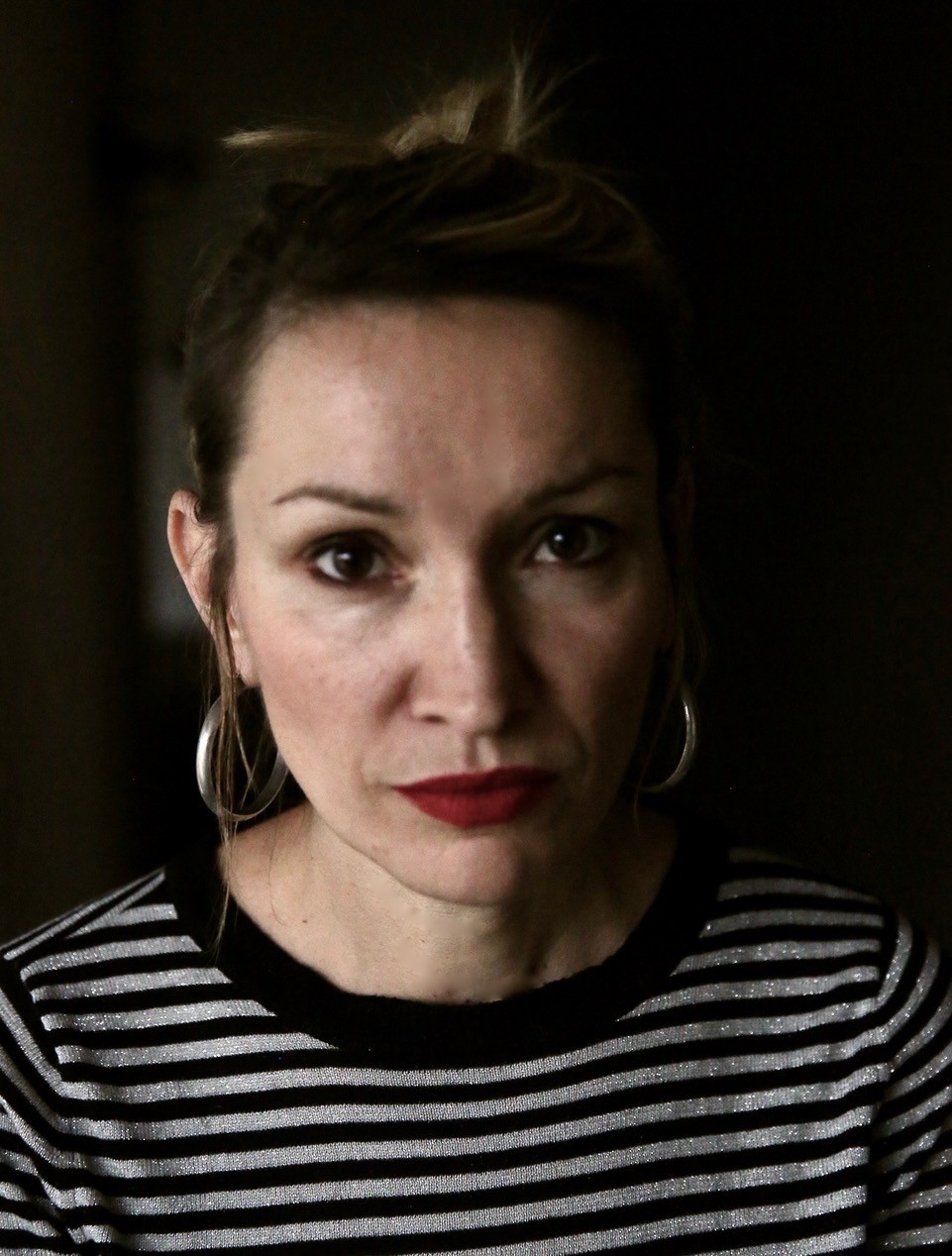 Interview: Im Gespräch mit der belgischen Regisseurin Sandrine Collard konnten wir mehr über ihren Kurzfilm „At Joanna’s“ (OT: „Chez Joanna“) erfahren, der im Programm des 25. Landshuter Kurzfilmfestival 2025 u.a. in der Eröffnung lief. Sie erzählt, wie die Idee in Pandemie-Zeiten entstand, welches Glück sie bei der Locationwahl hatte und wie sie ihre Hauptdarstellerin Veerle Baetens fand.
The original english language interview is also available.
Wie ist Die Idee zu Deinem Kurzfilm entstanden?
Während der COVID-Krise sah ich viele ergreifende Berichte von Frauen, die plötzlich in Armut geraten waren. Ich bin dann zu diesen Frauen gegangen, die auf der Straße schlafen. Ich traf Carmen, die auch Carmen in meinem Film spielt. Die Situation hat sich in der Zwischenzeit nicht verbessert, ganz im Gegenteil.
Warum hast Du Dich dafür entschieden, erst ganz am Ende die ganze Tragweite der Geschichte zu enthüllen, mit der auf einmal die Verzweiflung der Hauptperson besser greifbar wird?
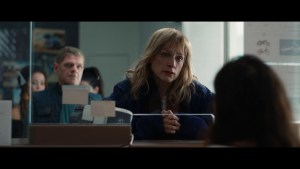
Veerle Baetens
Ich fand es interessant, wie wir uns ein Urteil über eine Person bilden und wo die Grenzen des Akzeptablen liegen. Der Film spricht über Äußerlichkeiten und Stereotypen. Joanna ist nicht wie eine Obdachlose gekleidet. Ihr Auto repräsentiert ihr früheres Arbeitsleben, und es ist ein teures Auto. Haben wir weniger Mitgefühl für eine arme Frau, die nicht arm aussieht? Können wir ihr verzeihen, wie sie sich auf dem Parkplatz verhalten hat? Im Kino werden Frauen oft entweder als Heilige oder als Femme Fatale dargestellt. Hier ist Joanna weder noch.
Was lag Dir visuell am Herzen?
Das richtige Gleichgewicht zwischen Ästhetik und Emotion zu finden. Meiner Meinung nach neigt ein zu stark stilisiertes Bild im Kino dazu, die Emotionen zu beeinträchtigen.
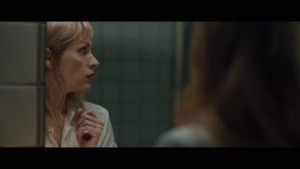
Veerle Baetens
Wo habt ihr gedreht? Die Behörde wirkte so authentisch – habt ihr an realen Locations gedreht?
Ja, ich hatte das Glück, auf einem echten Autohof drehen zu können. Der Besitzer war ein Filmliebhaber und unterstützte das Projekt. Diese Kulisse zu reproduzieren, wäre unmöglich gewesen.
Veerle Baetens als Hauptdarstellerin ist perfekt ausgewählt. Wie kam es zu eurer Zusammenarbeit?
Ich komme aus der Welt der Popmusik. Vor 15 Jahren habe ich ein Album für Veerle komponiert. Wir sind in Kontakt geblieben. Ich finde, sie ist eine hervorragende Schauspielerin und perfekt für diese Rolle.
Kannst Du mir kurz noch etwas mehr von Dir erzählen und wie Du zum Film gekommen bist?
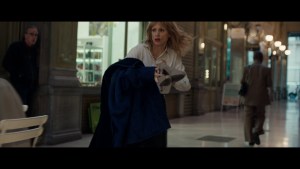
Veerle Baetens
Seit meiner Jugend war es mein Traum, Filme zu machen. Während meines Fotografiestudiums, im Alter von 20 Jahren, begann ich, Drehbücher zu schreiben. Leider konnte ich zu dieser Zeit keine Finanzierung finden. Zur gleichen Zeit komponierte ich Elektropop-Musik. Das Komponieren nahm meine ganze Zeit in Anspruch, bis ich vor 5 Jahren beschloss, die Musik beiseite zu legen, um zum Film zurückzukehren und mich ihm ganz zu widmen. Ich sagte mir: jetzt oder nie.
Sind bereits neue Projekte geplant?
Ich habe gerade einen Antrag auf einen Drehbuchzuschuss für ein Spielfilmprojekt eingereicht. Ich bin sehr aufgeregt über dieses neue Projekt. Es ist keine Fortsetzung von „Joanna’s“, aber es geht um ähnliche Themen.
Die Fragen stellte Doreen Kaltenecker
Übersetzung von Michael Kaltenecker
Lies auch die Rezension des Kurzfilms „At Joanna’s“
Interview: In our conversation with Belgian director Sandrine Collard, we were able to find out more about her short film „At Joanna’s“ (OT: „Chez Joanna“), which screened in the opening program of the 25th Landshut Short Film Festival 2025, among others. She tells us how the idea came about during the pandemic, how lucky she was in choosing the location and how she found her leading actress Veerle Baetens.
How did the idea for your short film come about?
During the COVID crisis, I saw many poignant testimonies of women who had suddenly fallen into poverty. I then went to meet these women sleeping on the streets. I met Carmen, who plays Carmen in my film. The situation has not improved in the meantime, quite the opposite.
Why did you decide to reveal the full scope of the story at the very end, where the main character’s despair suddenly becomes tangible?
I found it interesting about the judgment we make of a person and where the limits of what is acceptable lie. The film talks about appearances and stereotypes. Joanna isn’t dressed like a homeless person. Her car represents her past working life, and it’s an expensive car. Do we have less empathy for a poor woman who doesn’t look poor? Can we forgive her for the way she acted in the parking lot? In cinema, women are often portrayed as either saints or femme fatales. Here, Joanna is neither.
What was important to you visually?
Finding the right balance between aesthetics and emotion. In my opinion, in cinema, an overly stylized image tends to encroach on emotion.
Where did you shoot? The impoundment lot seemed so authentic – did you shoot in real locations?
Yes, I was lucky enough to be able to film in a real pond. The owner was a film buff and supported the project. Reproducing that setting would have been impossible.
Veerle Baetens was the perfect choice for the lead actress. How did your collaboration come about?
I come from the world of pop music. I composed an album for Veerle 15 years ago. We’ve stayed in touch. I think she’s an excellent actress and perfect for this role.
Can you tell me a bit more about yourself and how you came to filmmaking?
My dream, since adolescence, was to make films. While studying photography, at the age of 20, I started writing screenplays. Unfortunately, at the time, I couldn’t find funding. At the same time, I was composing electro-pop music. Composing took up all my time, until I decided, 5 years ago, to put music aside, to return to cinema and devote myself to it completely. I told myself it was now or never.
Are there any new projects planned?
I just submitted a request for a writing subsidy for a feature film project. I’m very excited about this new project. It’s not a sequel to „Joanna’s,“ but it raises similar themes.
Questions asked by Doreen Kaltenecker
Read on the german review of the short film „At Joanna’s„