
Studium der Kunstgeschichte - Schwerpunkt: Filmgeschichte
(Abschluss 2010 mit der Arbeit "Rembrandt im Spielfilm")
Nebenfächer: Philosophie und Alte Geschichte
- seit 2012: Filmkritikerin bei movieworlds (Kino, DVD, BD, Festivalberichte)
- seit 2015: Blog 'Testkammer' online
- Kinostarts 24.09.2026 - 23. September 2026
- Jetzt in der Mediathek! – Der Film „Gezielt Mittelalterliche Überlegungen“ - 20. September 2026
- „Bagger Drama“ (2024) - 17. September 2026
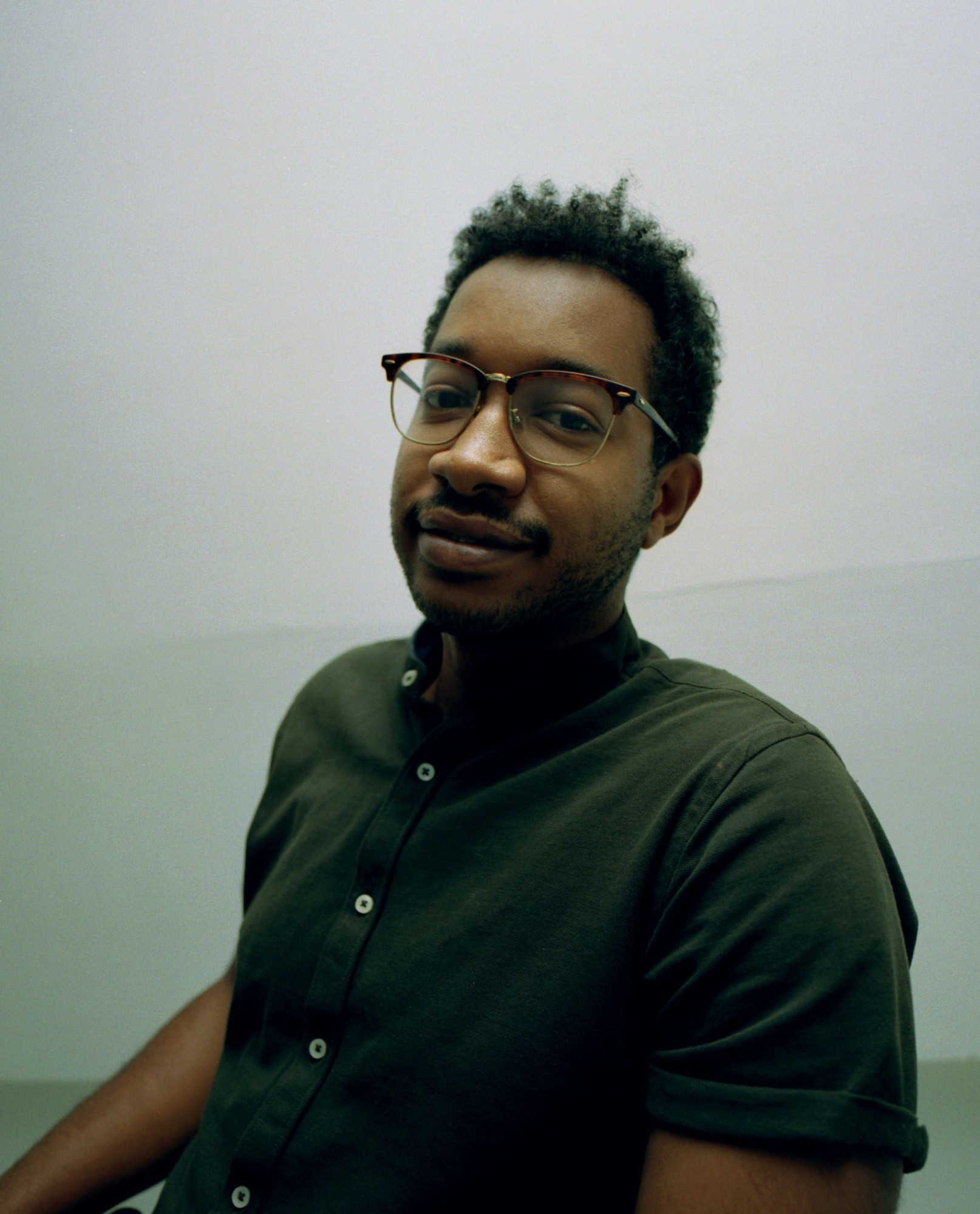 Interview: Im Gespräch mit dem kanadischen Regisseur Tyler Mckenzie Evans konnten wir mehr über seinen Kurzfilm „Diaspora“ erfahren, der im ‚Shock Block‘-Programm des 24. Landshuter Kurzfilmfestivals 2024 lief. Er spricht über den Ursprung der Geschichte, warum er den Genrefilm für seine Geschichte gewählt und welche Filme und Regisseure ihn beeinflusst haben.
The original english language interview is also available.
Was hat Dich zu Deiner Geschichte inspiriert?
Als Kind wuchs ich in einem Viertel auf, in dem überwiegend schwarze und braune Menschen wohnten. Im Laufe der Jahre bemerkte ich, dass meine Nachbarn einer nach dem anderen „verschwanden“ – den Begriff Gentrifizierung hatte ich noch nie gehört, bis ich in der Oberstufe war. Da ich dies als Kind mit einer großen Vorstellungskraft erlebte, hatte ich immer die wildesten Verschwörungen darüber, was mit meinen Nachbarn geschah, und das war es, was den Keim für diese Geschichte legte.
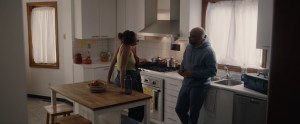
Cara Ricketts und Rainbow Sun Francks
Der Stoff hätte auch genug Sprengkraft für ein Drama – warum hast Du Dich für einen Genre-Film entschieden?
Ich war schon immer ein großer Fan von Genrefilmen – damit bin ich aufgewachsen. Die Möglichkeit, Genres wie Horror/Thriller mit Drama zu verbinden, hat mich als Geschichtenerzähler schon immer interessiert. Ich persönlich glaube nicht, dass diese Geschichte so fesselnd gewesen wäre, wenn sie nur durch die Linse eines Dramas erzählt worden wäre.
Mit welchen Mitteln und in welcher Zeit konntest Du Deinen Film auf die Beine stellen?
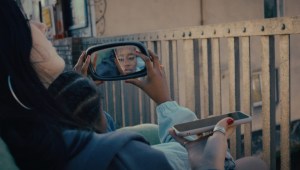 Zum Glück haben wir in Kanada Kunstfördermittel, die es uns ermöglichen, dieses Projekt zu realisieren. Ein großes Lob an den Canada Council for the Arts und den Hire Higher Grant mit Unterstützung von Common Good, William F. Whites, Panavision und Redlab. Wir konnten diesen Film innerhalb von vier Tagen drehen. Der Schnitt dauerte etwas mehr als einen Monat. Alles ging so schnell, dass es wie im Flug verging, aber ich bin sehr dankbar, dass wir es in so kurzer Zeit geschafft haben, denn man braucht wirklich ein Dorf, um einen Film zu machen.
Wag Dir visuell am Herzen?

Cara Ricketts
Ich bin ein großer Fan von Filmen, die mit langsamen Push-Ins, symmetrischer Komposition und Nahaufnahmen dieses beunruhigende, klaustrophobische Gefühl erzeugen. Ein paar Filme, die ich mir angesehen habe, waren „The Shining“ von Stanley Kubrick und Kiyoshi Kurosawas Cure. Was die Lebendigkeit in der ersten Hälfte des Films angeht, habe ich mich von Do The Right Thing von Spike Lee inspirieren lassen, der so voller Leben ist, während die Farben in der Mitte des Films etwas entsättigter und grauer sind.
Welche Filmemacher und Filme sind für Dich eine Inspiration?
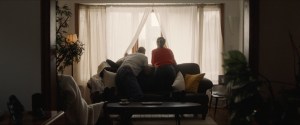
Rainbow Sun Francks und Cara Ricketts
Wie bereits erwähnt, sind Stanley Kubrick und Spike Lee große Inspirationen für mich. Ebenso wie David Lynch – sein Film Mulholland Drive hat mein Leben und meine Sicht auf Filme insgesamt verändert. Jordan Peele kann ich natürlich nicht unerwähnt lassen. Er hat die Tür für Schwarze und PoC-Filmemacher, die diesen Bereich des Horrors/Thrillers erforschen wollen, wirklich aufgestoßen, es gibt so viel in diesem Genre zu erforschen.
Wie hast Du Deinen Cast zusammengestellt?
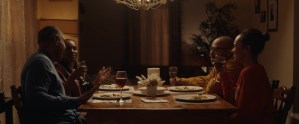
Rainbow Sun Francks und Cara Ricketts 2
Für unsere Besetzung hat unsere Casting-Direktorin Nicole Hilliard-Forde eine Reihe von Namen zusammengestellt, von denen wir glauben, dass sie für die Rollen unserer Hauptdarsteller geeignet wären. Ich habe sie nicht vorgesprochen, sondern mir ihre Rollen angesehen und Angebote verschickt, von denen ich glaubte, dass sie unsere Figuren am besten verkörpern könnten. Cara Ricketts und Rainbow Sun Francks bekamen unsere Hauptrollen und sie haben diese Figuren hervorragend zum Leben erweckt.
Kannst Du mir noch ein bisschen von Dir erzählen und wie Du zum Film gekommen bist?

Diaspora
Um mir die Zeit in der tristen Vorstadt zu vertreiben, las ich viele Bücher und sah mir mit Freunden eine Menge Filme an. In der High School entdeckte ich meine Liebe zum Geschichtenerzählen. Ich liebte die Art und Weise, wie Filme und Bücher mich nach der Lektüre berührten, ich konnte mich in fiktive Charaktere hineinversetzen und wusste, dass ich genau das tun wollte. Geschichten verändern das Leben der Menschen, sie bringen einen dazu, sich selbst zu reflektieren und zu analysieren, lange nachdem man fertig ist, und das hat mich dazu inspiriert, Filmemacherin zu werden.
Sind bereits neue Projekte geplant?
Derzeit befinde ich mich in der Vorproduktion eines weiteren Kurzfilms mit dem Titel „Sea Star“, den ich im Sommer drehen werde und der im Bereich Genre/Surrealismus angesiedelt ist. Es geht um einen älteren schwarzen Mann, der seine erste Schwimmstunde nimmt. Darauf freue ich mich schon sehr. Außerdem schreibe ich im Moment an ein paar Spielfilmen. Ich bin mir nicht sicher, wann sie gedreht werden, aber ich lasse mir Zeit damit, ich liebe den Prozess und bin gespannt, wie sie sich entwickeln.
Die Fragen stellte Doreen Kaltenecker
Übersetzung von Michael Kaltenecker
Lies auch die Rezension des Kurzfilms „Diaspora“
Interview: In our conversation with Canadian director Tyler Mckenzie Evans, we were able to find out more about his short film „Diaspora„, which screened in the ‚Shock Block‘ program of the 24th Landshut Short Film Festival 2024. He talks about the origin of the story, why he chose genre film for his story and which films and directors influenced him.
What inspired you to write your story?
When I was a kid, I grew up in a predominantly black and brown neighborhood. Throughout the years I noticed that my neighbors were “disappearing“ one by one – I had never heard of the term gentrification until I was in high school. For me, experiencing this as a kid with a big imagination I always had the wildest conspiracies of what happened to my neighbors and that is what planted the seed of this story.
The material would also have enough explosive power for a drama – why did you decide on a genre film?
I’ve always been a big fan of genre movies – that’s what I grew up watching. Being able to bend genres such as horror/thriller with drama has always been what I’ve been interested in as a storyteller. Personally, I do not think this story would’ve been as captivating if it was told just through the lens of a drama.
With what means and in what time were you able to get your movie made?
In Canada, luckily we have arts grants to be able to get this made. Shout off to Canada Council for the Arts and also the Hire Higher Grant with support from Common Good, William F. Whites, Panavision, and Redlab. We were able to get this film shot over the course of 4 days. Editing took just over a month. Everything moved so fast it was such a blur, but I’m very grateful we were able to get it done in such a short time, it really does take a village to get a film made.
What was visually close to your heart?
I’m a big fan of films that use slow push ins, symmetrical composition and close ups to execute this unsettling, claustrophobic feel. A couple of movies that I was looking at were „The Shining“ by Stanley Kubrick and Kiyoshi Kurosawa’s Cure. In terms of the vibrancy in the first half of the film, I actually was inspired by Do The Right Thing by Spike Lee which looked so full of life and then by the mid-point the colors were a bit more desaturated and gray.
Which filmmakers and films are an inspiration to you?
As mentioned, Stanley Kubrick, Spike Lee are big inspirations for me. As well as David Lynch – his film Mulholland Drive changed my life and how I see films as a whole. Jordan Peele, of course I can’t NOT mention, he really kicked the door down for Black and POC filmmakers who want to explore this space of horror/thriller, there is so much to explore in this genre.
How did you put together your cast?
For our cast, our casting director – Nicole Hilliard-Forde put together a bunch of names for us who we believe would be good for the roles of our leads. I never auditioned them, I watched their acting reels and sent out offers who I believed could embody our characters the best. Cara Ricketts and Rainbow Sun Francks landed our lead roles and they were monumental in bringing these characters to life.
Can you tell me a bit more about yourself and how you got into film?
To pass the time of the mundanity of the suburbs, I would read a lot of books and watch a ton of movies with friends. High school is where I really found my love for storytelling, I loved the way movies and books made me feel once I was finished, being able to relate to fictional characters and have them stick with me for a long time, I knew this is what I wanted to do. Stories change peoples lives, they make you self-reflect and analyze long after you’re finished and thats what inspired me to become a filmmaker.
Are there any new projects planned?
I’m currently in pre-production on another short film called ’Sea Star’ that I will be shooting over the summer, this one is in the genre/surrealism space. It’s about an elderly Black Man that takes his first swimming lesson. I’m really excited for that one. I’m also writing a couple features at the moment. I’m not sure when they’ll be made but I’m taking my time with them, I am loving the process and I’m excited to see how they turn out.
Questions asked by Doreen Kaltenecker
Read on the german review of the short film „Diaspora„