
Studium der Kunstgeschichte - Schwerpunkt: Filmgeschichte
(Abschluss 2010 mit der Arbeit "Rembrandt im Spielfilm")
Nebenfächer: Philosophie und Alte Geschichte
- seit 2012: Filmkritikerin bei movieworlds (Kino, DVD, BD, Festivalberichte)
- seit 2015: Blog 'Testkammer' online
- Kinostarts 23.07.2026 - 22. Juli 2026
- Jetzt online! – Der Kurzfilm „Intermezzo“ - 19. Juli 2026
- Kinostarts 16.07.2026 - 15. Juli 2026
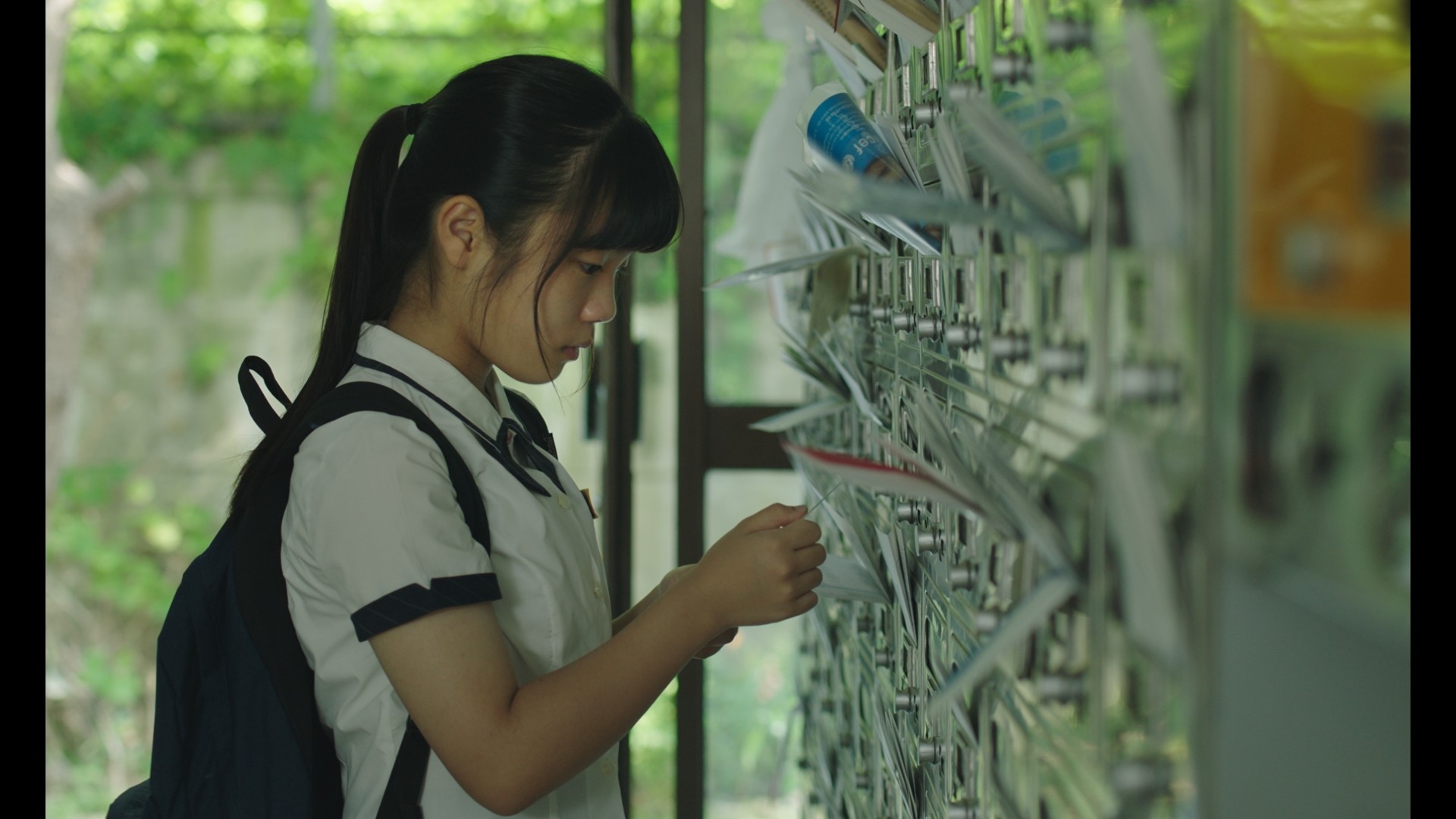
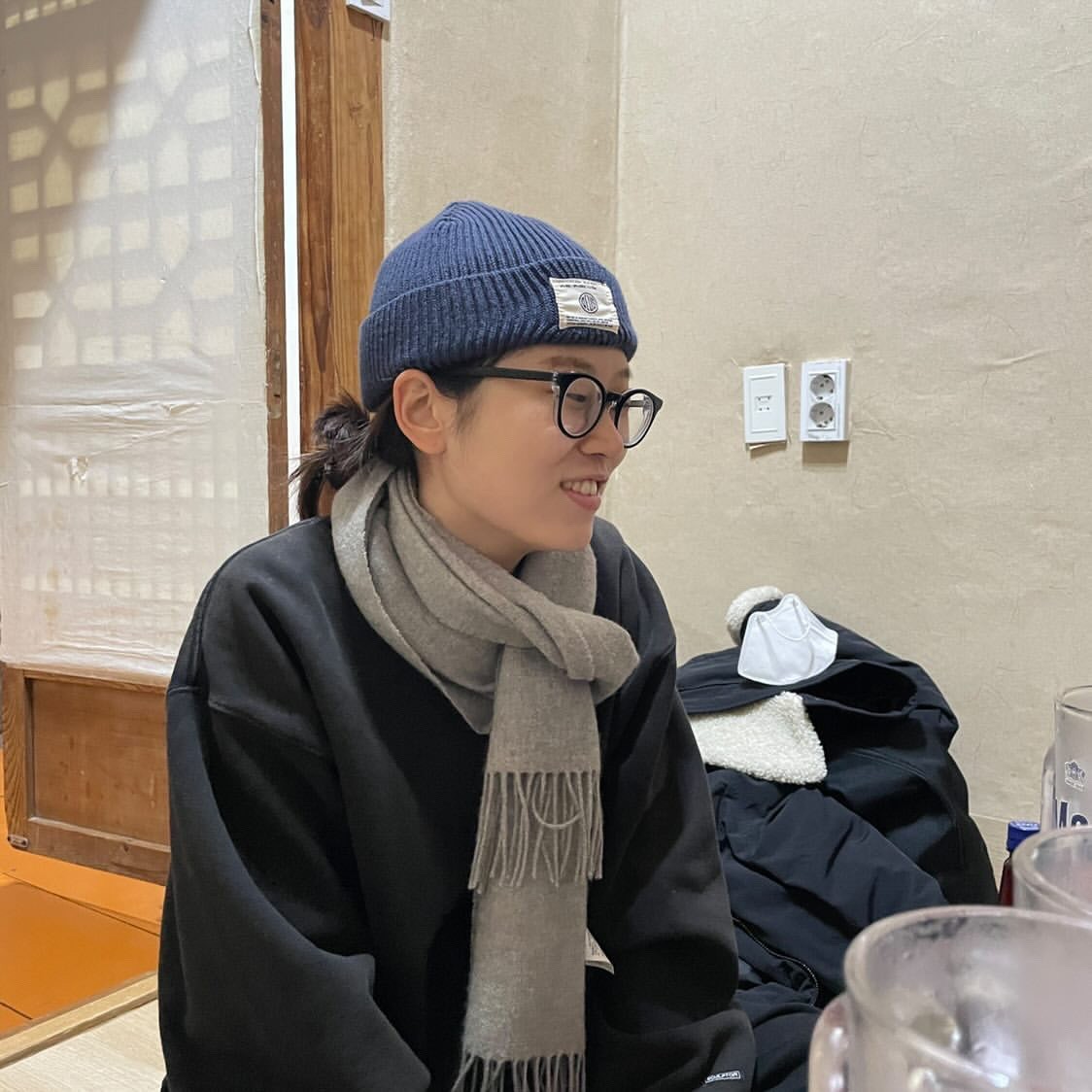 Interview: Im Gespräch mit der südkoreanischen Regisseurin und Drehbuchschreiberin Myo-gyeoung Kim konnten wir mehr über ihren Kurzfilm „The Report Card“ erfahren, der im Jugendprogramm des 36. Filmfest Dresden 2024 lief, erfahren, wie sie die Geschichte nach und nach umgeformt hat, was ihr bei den Figuren wichtig war und wie sogar Tränen am Set geflossen sind.
The original english language interview is also available.
Wie ist die Idee zu Deinem Kurzfilm entstanden?
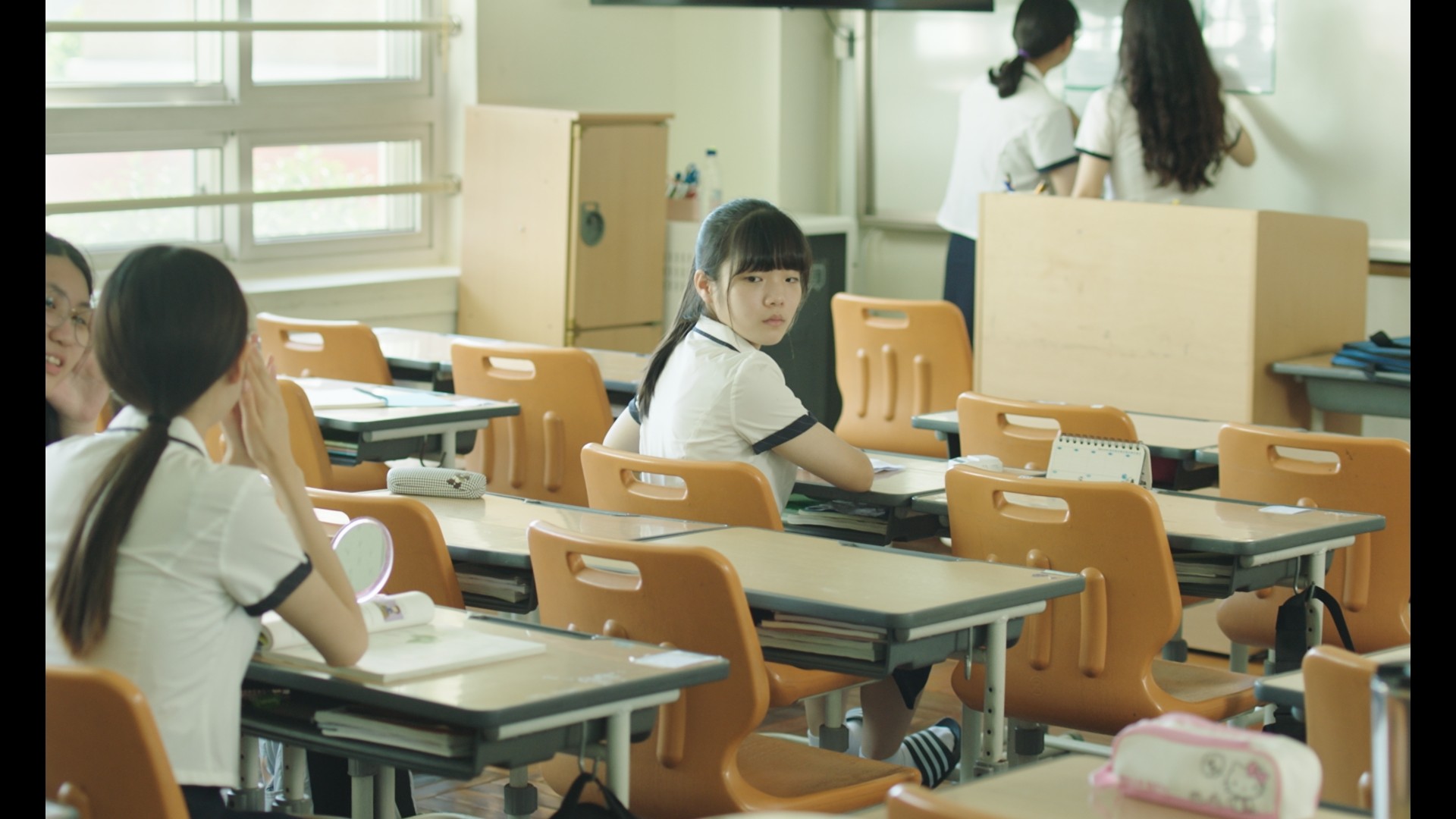
Ji-won Kim
Die Idee stammt von einer fiktiven Szene, in der eine Mutter und eine Tochter, die sich am besten zu kennen glauben, sich zufällig an einem unerwarteten Ort treffen.
Richtet sich Dein Film eher an ein jüngeres Publikum?
Einerseits wollte ich, dass die Geschichte auch für ein jüngeres Publikum verständlich ist. Aber ich hatte nicht den Plan, einen Film für eine bestimmte Altersgruppe zu machen, denn es war mein Abschlussfilm an der Universität.
Der Film wirkt sehr authentisch – was war Dir bei der Inszenierung und Ausgestaltung wichtig?
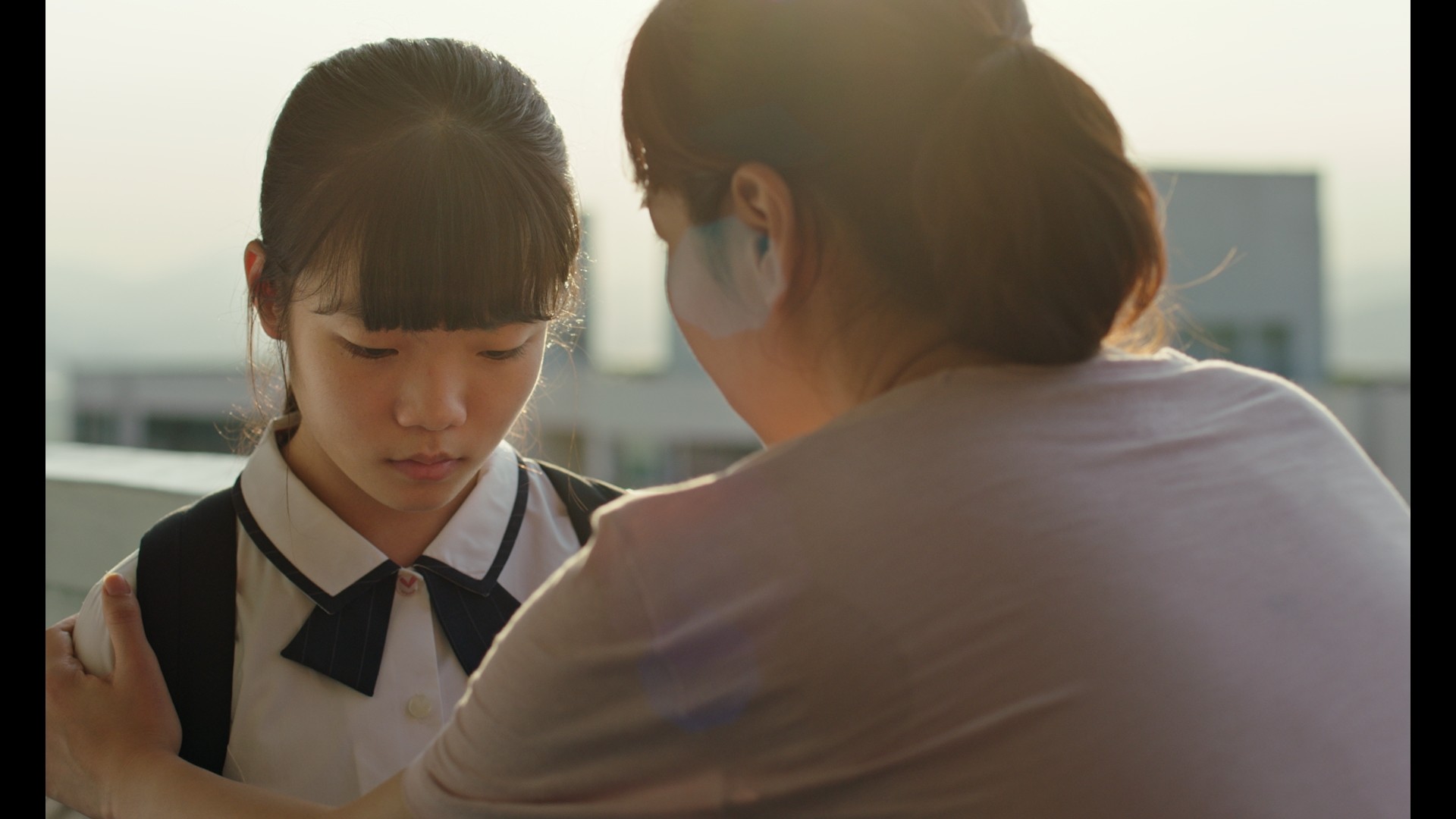
Ji-won Kim und Iram Kang
Ich glaube, das Wichtigste war für mich während der gesamten Produktion das Drehbuch. Ich habe ständig darüber nachgedacht, was die Figuren in den Situationen, in denen sie sich befanden, wirklich sagen und tun würden, und das führte natürlich zu einem ständigen Prozess des Umschreibens von Dialogen, die unnötig übertrieben waren. Im ersten Entwurf wirkte der Dialog zwischen Mutter und Tochter wie der eines Liebespaares (die Szene, in der sie sich streiten, kam mir vor wie der Streit eines Liebespaares, bei dem jede die Enttäuschung der anderen erwidern wollte), und ich erinnere mich, dass ich meine Mutter mehrmals anrief, um ihn zu überarbeiten.
Während ich mir das Feedback meiner Nächsten einholte, fand ich heraus, dass viele Menschen in ihrer Kindheit das Zeugnis vor ihrer Mutter versteckt haben. Ich fand das wirklich lustig und interessant. Daher war es mir wichtig, dass die Zuschauer sich in Won-gyung einfühlen und sie als nahestehend oder ähnlich zu sich selbst sehen.
Die Rollen sind alle gut besetzt. Wie hast Du Deinen Cast zusammengestellt?
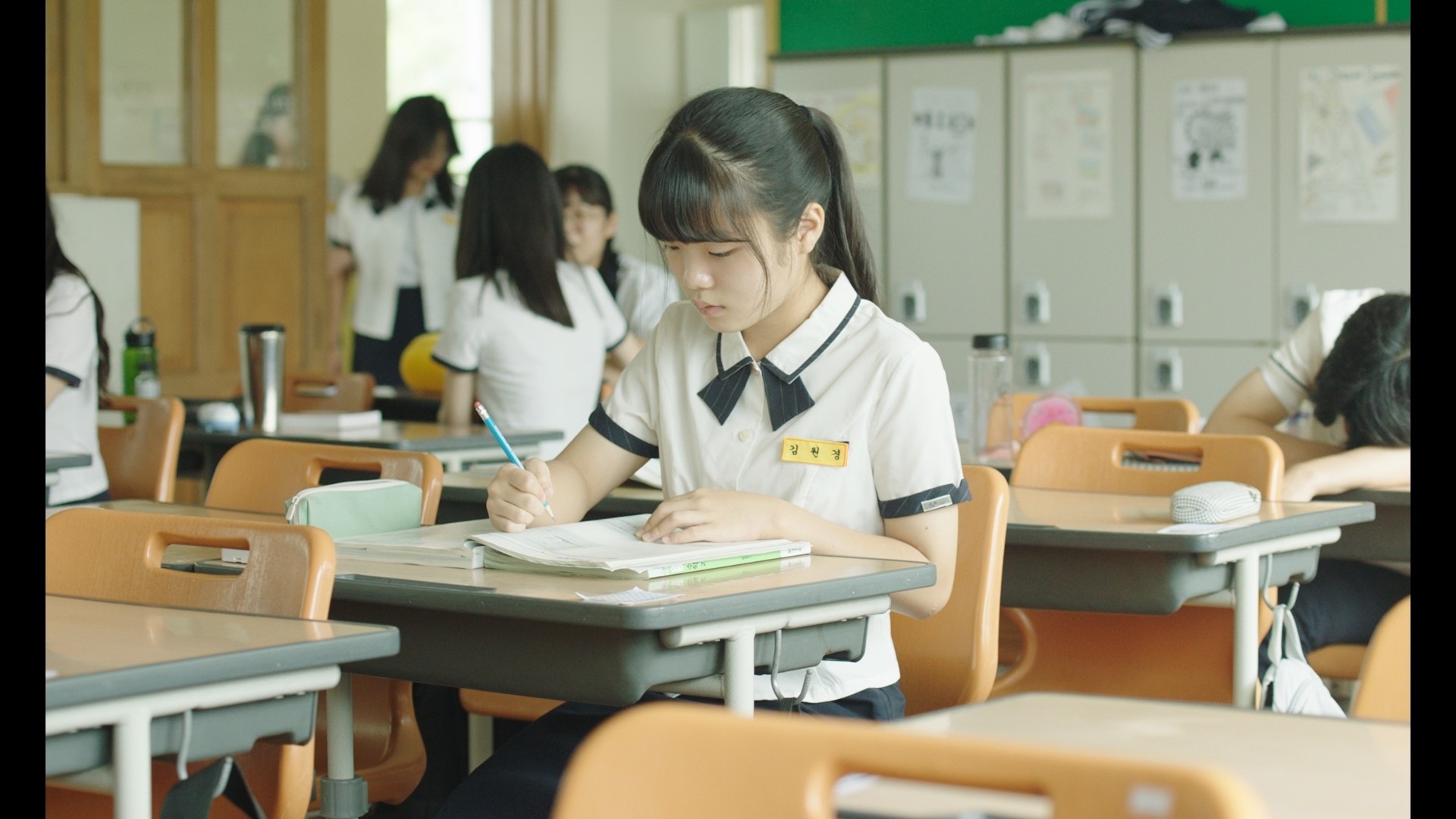
Ji-won Kim
Won-gyung ist eine sehr ruhige Person. Schon als ich den ersten Entwurf schrieb, dachte ich, es ginge darum, die Schauspielerin zu finden, die zu dem Bild passt, das ich von ihr im Kopf hatte. Und ich dachte, dass der Schlüssel dazu in ihrer Stimme liegen würde: eine tiefe, tiefe und leise Stimme, die nicht wie ein Kind klingt.
Ich habe Kim Ji-won, die Won-gyung spielt, zum ersten Mal bei einem Vorsprechen getroffen. Damals war ich mir zu 100% sicher, dass nur sie Won-gyung sein konnte!
Ich erinnere mich noch an das Vorsprechen. Wir waren zu viert, ich, der Regieassistent, Ji-won und ihre Mutter. Als Ji-won und der Regieassistent vorsprachen, wurden die Augen ihrer Mutter rot, und das brachte mich, den Regieassistenten und ihre Mutter zum Weinen. Ich erinnere mich noch daran, wie sie eine emotionale Szene nachspielte und sich für unsere Tränen schämte.
Ji-won Kim
Kannst Du mir noch ein bisschen von Dir erzählen und wie Du zum Film gekommen bist?
Das ist ein bisschen schwer zu beantworten. Ich denke, Filme zu machen ist etwas, das mir in die Wiege gelegt wurde, weil ich dem gefolgt bin, was ich tun wollte. Ich habe das Gefühl, dass es eher Schicksal als Wahl ist. Ich hoffe, diese Verbindung hält an.
Sind bereits neue Projekte geplant?
Nun, ich habe an einem Drehbuch für einen Spielfilm gearbeitet. Es geht um eine alleinerziehende Mutter, die eine Mutter sein will.
Die Fragen stellte Doreen Kaltenecker
Übersetzung von Michael Kaltenecker
Lies auch die Rezension des Kurzfilms „The Report Card“
Interview: In our conversation with South Korean director and screenwriter Myo-gyeoung Kim, we learned more about her short film „The Report Card„, which screened in the youth program of the 36th Filmfest Dresden 2024, how she gradually reshaped the story, what was important to her about the characters and how even tears flowed on set.
How did the idea for your short film come about?
The idea came from an imaginary scene in which a mother and daughter, who believe they know each other best, meet by chance in an unexpected place.
Is your film aimed more at a younger audience?
On one hand, I wanted the story to be relatable to a younger audience. But I didn’t have a plan to make a film for a specific age group, because it was my graduation film from university.
The film seems very authentic – what was important to you in the production and design?
I think the most important thing for me throughout the production was the script. I kept thinking about what the characters would really say and do in the situations they were in, and it naturally led to a constant process of rewriting dialogue that was unnecessarily exaggerated. In the first draft, the mother-daughter dialogue seemed like a lovers‘ dialogue (I feel their conflict scene was like a lovers‘ quarrel, with each wanting the other to respond to the disappointment they’d built up), so I remember calling my mother several times to revise it.
While I was getting the feedback from my nearest, I found out that hiding the report card from my mother is something that a lot of people did in their childhood. I thought it was a really funny and interesting thing. As such, it was important to me that the audience empathize with Won-gyung and see her as close or similar to themselves.
The roles are all well cast. How did you put your cast together?
Won-gyung is a very quiet person. Even when I was writing the first draft, I thought it would be a matter of finding the actress who fit the image I had in mind for her. And I thought its clue would be in her voice: a deep, deep, and low voice that doesn’t sound like a child.
I first met Kim Ji-won, who plays Won-gyung, at an audition. At that time, I was 100% sure that only she could be Won-gyung!
I remember the audition. There were four of us, me, the assistant director, Ji-won, and her mother. When Ji-won and the assistant director were reading, her mom’s eyes got red, and that made me, the assistant director, and her mom all cry. I still remember her acting out an emotional scene and being embarrassed by our tears.
Can you tell me a bit more about yourself and how you came to make the movie?
It’s a little bit hard to answer. I think making films is something that came naturally to me because I followed what I wanted to do. I feel like it’s more like destiny than choice. I hope this bond continues.
Are there any new projects planned?
Well, I’ve been working on a feature film script. It’s about a single mother who wants to be a mother.
Questions asked by Doreen Kaltenecker
Read on the german review of the short film „The Report Card„