
Studium der Kunstgeschichte - Schwerpunkt: Filmgeschichte
(Abschluss 2010 mit der Arbeit "Rembrandt im Spielfilm")
Nebenfächer: Philosophie und Alte Geschichte
- seit 2012: Filmkritikerin bei movieworlds (Kino, DVD, BD, Festivalberichte)
- seit 2015: Blog 'Testkammer' online
- Jetzt in der Mediathek! – Der Film „The Good Woman“ - 25. Oktober 2026
- „Our Girls“ (2025) - 22. Oktober 2026
- Kinostarts 22.10.2026 - 21. Oktober 2026
 Workspace user
 Interview: Im Gespräch mit dem philippinischen Regisseur Stephen Lopez konnten wir mehr über seinen Kurzfilm „Hito“ erfahren, der im Internationalen Wettbewerb des 36. Filmfest Dresden 2024 als überdrehter Genre-Beitrag herausstach. Er erzählt von der Entwicklung des Stoffes, der Arbeit der jungen Schauspielerin mit Welsen und welche Einflüsse sich im Stil wieder geschlagen haben.
The original english language interview is also available.
Wie ist die Entstehungsgeschichte zu Deinem Kurzfilm?
Es begann vor langer Zeit, vielleicht 2018, als etwas wirklich sehr Dummes – nachdem wir eines Tages auf dem Markt waren, hatten wir die dumme Idee, einen Film über einen laufenden und sprechenden Wels zu machen, der sich mit einem Menschen anfreunden will. Aber als wir anfingen, unser Konzept weiterzuentwickeln (mit der Hilfe unseres Koproduzenten ANIMA und dessen Kurzfilmlabor), begannen wir, schräge Science-Fiction-Konzepte, inspiriert von den Delfin-LSD-Experimenten von John C. Lily, mit den schrecklichen Geschichten politischer und sozialer Unterdrückung während der Marcos-Diktatur und darüber hinaus zu vermischen.
In diesem zermürbenden vierjährigen Prozess entstand etwas, von dem wir dachten, dass es eine akkurate Darstellung dessen ist, wie es ist, in der Bananen-Punk-Dystopie zu leben, die wir die Philippinen nennen.
Ich habe das Gefühl, dass man mit einem Mal Sehen gar nicht alles begreifen kann, was in dem Film steckt. Was ist deiner Meinung nach der Kern von „Hito“?
Im Kern ist „Hito“ die rührende Geschichte einer jungen Frau, die in einem neokolonialen, faschistischen Ödland namens Philippinen „LOL“ erwachsen wird und unerwartete Freundschaften findet.
Visuell ist ein Film ein Reigen – kannst Du mir mehr zu all den Spielereien und Einfällen, die Deinen Film in seiner Optik gestalten, erzählen?
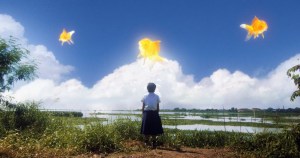 Das ist eine sehr chaotische Antwort, aber ich denke, sie repräsentiert am besten, wie das Design von „Hito“ entstanden ist LOL.
Ich erinnere mich daran, dass ich viele Bildungsfernsehsendungen wie „Sineskwela“, „Batibot“ und die „Sesamstraße“ gesehen habe. Dazu gesellte sich eine Mischung aus japanischen Animations- und Spezialeffektsendungen der 80er und 90er Jahre (“Mojako“, „Jetman“, „Ultraman“), amerikanischen Science-Fiction-Serien („Star Trek“, „Twilight Zone“), philippinischen Horror-/Fantasy- und Monsterfilmen („Shake, Rattle & Roll“, „Anak ng Bulkan“, „Panday“) und seltsamerweise „Magandang Gabi Bayan“ (eine philippinische Nachrichtensendung), die spezielle Episoden über Wunderheiler und das Paranormale enthielt.
Im College wurde erschwingliches und „schnelles“ Internet alltäglich und ermöglichte mir, äh… ‚Zugang‘ zu Programmen, die ich vorher nie hätte sehen können. Japanische Medien gehörten zu den am leichtesten zugänglichen und ich begann, Anime zu lieben, insbesondere Werke von Regisseuren wie Hideaki Anno („Evangellion“) und Satoshi Kon („Perfect Blue“, „Paprika“). Außerdem wurde ich ein Fan von japanischem Punk, Horror und „V-Kino“ (Straight-to-Video-Filme, die sehr seltsam waren). Zu nennen sind hier Shinya Tsukamoto („Tetsuo the Iron Man“), Takashi Shimizu („Marebito“, „Ju-on“) und Kiyoshi Kurusawa („Cure“).
Erst später, in meinen frühen 20ern, konnte ich das philippinische Kino besser erkunden (dank meiner Freunde) und entdeckte die Welten von Regisseuren wie Mike Deleon („Kakabakaba Ka ba?“, „Batch 81“, „Kisapmata“), Khavn Dela Cruz („Mondo Manila“, „Ruined heart“), Perlen wie Kokey (die philippinische Version von „E.T.“) und viele, viele mehr.
Es war also eine Kombination aus all dem, verpackt in einem visuellen Albtraum, der einen zum Nachdenken anregt, wie es wirklich ist, auf den Philippinen zu leben.
Auch der Sound spielt eine wichtige Rolle – kannst Du mir noch ein bisschen mehr sagen?
 Bevor ich mich dem Schreiben und der Regie zuwandte, war ich sieben Jahre lang als Tontechniker und manchmal auch als Sounddesigner tätig – aber bei „Hito“ wollte ich lieber frei mit anderen Leuten zusammenarbeiten, als das Sounddesign selbst zu machen. Für diesen Film haben wir also Hand in Hand mit einer wunderbaren Gruppe von Sound-Profis zusammengearbeitet, angefangen bei unserem Tonmeister Santiago Miano, unserem sehr talentierten Sound-Designer von den „Wapak“-Tonstudios Daryl Libongco bis hin zu der fantastischen Musik von Myles Puzon und Oh No Aira!
Um den Arbeitsablauf zusammenzufassen: Der Sound des Films war eher eine Reise, die wir alle gemeinsam unternommen haben, mit ein paar Vorschlägen hier und da, als dass es eine klare Richtung gab, der jeder folgen musste – es war lustig und verrückt – wie es sein sollte!
Mit welchen Mitteln und über welchen Zeitraum habt ihr euren Film realisiert?
Die Fertigstellung von „Hito“ dauerte vier Jahre. Um es aufzuschlüsseln, waren es etwa 1-2 Jahre, in denen ich versucht habe, eine Finanzierung zu finden. Ein halbes Jahr für die Entwicklung, ein weiteres halbes für die Dreharbeiten und fast ein Jahr für die Postproduktion. Darin nicht enthalten ist die ganze Zeit, die wir mit dem Grübeln über die Pandemie verschwendet haben.
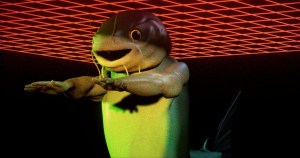 Das Kurzfilmlabor der ANIMA-Studios hat uns zwar einige Mittel zur Verfügung gestellt, aber es reichte nur für ein Viertel des Budgets, das für die Fertigstellung des Films benötigt wurde. Glücklicherweise konnten wir uns mit Hilfe der vielen großzügigen Menschen über Wasser halten, die uns von der Vorproduktion bis zur Postproduktion geholfen haben – abgesehen davon, dass wir jeden Cent, den wir übrig hatten, aus unseren Taschen geholt haben LOL.
Die Herstellung von Filmen auf den Philippinen, insbesondere von SciFi-Filmen, ist furchtbar teuer, aber gleichzeitig denke ich, dass es wirklich wichtig ist, dass wir in Südostasien anfangen, uns durch die Linse der Science-Fiction auszudrücken, anstatt dass der Westen uns Geschichten diktiert und schafft, die angeblich von uns handeln, aber so weit von den sozialen und kulturellen Aspekten unseres Landes entfernt sind.
Deine Hauptdarstellerin Kyrie Allison Samodio spielt die Rolle wunderbar bodenständig, obwohl alles um sie herum seltsam ist. Wie hast Du sie gefunden?
Sie war fantastisch! Sie ist ein bisschen schüchtern, das zuzugeben, aber es war ihr erstes Mal, dass sie für die Leinwand schauspielerte, da sie vorher immer Theaterschauspielerin war. Aber schon nach einem einzigen Workshop mit unserer wunderbaren Regieassistentin Issa Lopez hat sie sich sofort auf das neue Format eingestellt. Sie hatte vor nichts Angst, nicht einmal vor den vielen schleimigen Welsen, mit denen sie während unserer anspruchsvollen Produktion umgehen musste.
Ich erinnere mich an einen wirklich lustigen Moment, in dem wir ihr einen Kassettenrekorder überreichten. Das Problem war nur, dass ich vergessen hatte, dass sie in den frühen 2000er Jahren geboren wurde und noch nie in ihrem Leben einen Kassettenrekorder gesehen hatte. Aber nach ein paar Witzen über unser Alter und einer kurzen Einführung in die Funktionsweise des Geräts fing sie an, damit zu spielen und Musik zu hören, als ob es für sie eine Selbstverständlichkeit wäre.
Kannst Du mir noch ein bisschen von Dir erzählen und wie Du zum Film gekommen bist?
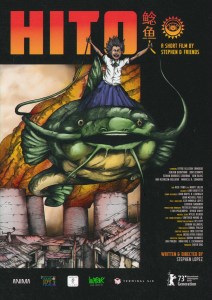 Ich habe nie eine Filmschule besucht, sondern habe von 2008 bis 2012 Krankenpflege studiert. Nach meinem Abschluss und dem Bestehen der Prüfung hatte ich Schwierigkeiten, auf den Philippinen eine Stelle als Krankenschwester zu finden. Ich erinnere mich, dass es so schlimm war, dass man das Krankenhaus ‚bezahlen‘ musste, um dort zu arbeiten – die Logik dabei war, dass man, sobald man genug Erfahrung ‚vor Ort‘ gesammelt hatte, in der Lage sein würde, für einen stabileren Job ins Ausland zu fliegen.
Angesichts dieser Situation beschloss ich, mich stattdessen dem Filmemachen zu widmen, und so begann ich, an verschiedenen filmbezogenen Workshops teilzunehmen und Gelegenheitsjobs anzunehmen, die mit Film zu tun hatten, wie z. B. „Video-Editor für Soft-Core-Pornos“. Im Laufe der Zeit habe ich gelernt, Ton zu machen und Drehbücher zu schreiben – und seither habe ich ähhh… überlebt. Die PH-Filmindustrie, wenn man sie so nennen kann, kann ein wirklich giftiger und beschissener Ort sein, an dem die Leute überarbeitet und unterbezahlt sind – sie ist schrecklich regie-orientiert und lässt oft genau die Arbeiter beiseite, die das Überleben der Industrie möglich machen. Ich wünschte, wir könnten alles daran ändern – und wir versuchen es durch unsere kleinen Bemühungen und Produktionen, aber es ist wirklich schwer und ich sehe nicht, dass das in nächster Zeit passieren wird.
Sind bereits neue Projekte geplant?
Derzeit arbeiten meine Freunde und ich an einer Horror-Comedy-Serie, die sich mit philippinischer Folklore und Mystik befasst. Aber es ist noch ein weiter Weg bis zu einer Pilotfolge LOL – wenn jemand Interesse hat, eine lustige Geschichte über philippinische Mythen und Legenden zu schaffen, ruft uns bitte an, ich werde sie euch vorschlagen!
Die Fragen stellte Doreen Kaltenecker
Übersetzung von Michael Kaltenecker
Lies auch die Rezension des Kurzfilms „Hito“
Interview: In our conversation with Filipino director Stephen Lopez, we were able to find out more about his short film „Hito„, which stood out in the International Competition of the 36th Filmfest Dresden 2024 as an over-the-top genre entry. It tells of the development of the material, the young actress‘ work with catfish and the influences that were reflected in the style.
What is the story behind the making of your short film?
It started out way back in maybe 2018 as something really really stupid- you see after going to the market one day we had this dumb idea of making a film about a walking and talking catfish that wants to befriend a human being. But as we began to develop our concept further (with the help of our co-producer ANIMA and their short-film lab) we started injecting weird science fiction concepts inspired by the dolphin LSD experiments of John C. Lily mixed with the terrifying stories of political and social oppression from the Marcos dictatorship and beyond.
Through this grueling 4 year process we ended up with what we thought was an accurate representation of how it is to live in the Banana punk dystopia we call the Philippines.
I have the feeling that you can’t grasp everything that’s in the film in one viewing. What do you think is the core of “Hito”?
At its core „Hito“ is the touching tale of a young woman coming to age and finding unexpected friendship in a neo-colonial fascist wasteland called the Philippines LOL.
Visually, a movie is full of diverse approaches – can you tell me more about all ideas that shape the look of your film?
This is a very chaotic answer but I think it best represents how „Hitos“ design came to be LOL.
I remember watching a lot of educational TV shows like Sineskwela, Batibot and Sesame Street. Mixed into this was an amalgamation of 80’s and 90’s Japanese animation and special effects programs (Mojako, Jetman, Ultraman), American science fiction series (Star trek, Twilight Zone), Filipino horror/fantasy and creature films (Shake, Rattle, and roll, Anak ng Bulkan, Panday,) and strangely enough “Magandang Gabi Bayan” (A Filipino News magazine show) that featured special episodes about faith healers and the paranormal.
In college, affordable and “fast” internet became commonplace and granted me uh… “access” to programs that I would never have had the opportunity to watch before. Japanese media was some of the most easily available and I grew to love anime, particularly works from directors like Hideaki Anno („Evangellion“) and Satoshi Kon („Perfect Blue“, „Paprika“). I also became a fan of Japanese punk, horror and „V cinema (straight to video movies that were very strange)“ of note are Shinya Tsukamoto („Tetsuo the Iron Man“), Takashi Shimizu („Marebito“, „Ju-on“) and Kiyoshi Kurusawa („Cure“).
It was only later on in my early 20’s that I got to freely explore Filipino cinema better (thanks to my friends) where I would discover the worlds of directors such as Mike Deleon („Kakabakaba Ka ba?“, „Batch 81“, „Kisapmata“), Khavn Dela Cruz („Mondo Manila“, „Ruined heart“), gems such as Kokey (the pinoy version of „E.T.“) and many many more.
So it was a combination of all of this packaged together in a seizure inducing visual nightmare- designed for you to think how it really is like to live in the Philippines.
The sound also plays an important role – can you tell me a bit more?
I was a production sound-recordist and sometimes sound designer by profession for 7 years before getting into writing and directing- but for „Hito“ I really wanted to freely collaborate with other people rather than doing the sound design myself. So for this film we worked hand in hand with a wonderful group of sonic professionals from our production sound recordist Santiago Miano, our very talented sound designer from „Wapak“ sound studios Daryl Libongco to the fantastic music created by Myles Puzon and Oh No Aira!
To summarize the workflow, the sound of the film was more of a journey we all took together with a few suggestions here and there rather than a straightforward direction that everyone had to follow- it was fun and crazy- as it should be!
With what means and over what period of time did you realize your film?
„Hito“ took 4 years to complete. To break it down it was about 1-2 years of trying to find funding. Half a year of development, another half for shooting and almost a year of post-production. That excludes all the time wasted brooding from the pandemic lockdowns.
We had some funding from the ANIMA studios short film lab but it was only enough to fulfill ¼ of the budget needed to complete the film. Luckily we scraped by from the many generous people who helped along the way from pre to post production- apart from digging every spare penny we had from our pockets LOL.
Creating films in the Philippines especially SciFi-films is terribly expensive but at the same time I think it is really important that we in Southeast Asia start expressing ourselves through the lens of science fiction rather than the west dictating and creating stories that are supposedly about us but are so detached from the social and cultural aspects of our nation.
Your lead actress Kyrie Allison Samodio plays the role wonderfully down-to-earth, even though everything around her is odd. How did you find her?
She was fantastic! She is a bit shy to admit this but it was her first time acting for screen- as she had always been a theater actress prior. But only after a single workshop with our wonderful Assistant Director Issa Lopez – she instantly adapted for the change of format. She wasn’t afraid of anything even the several slimy catfishes she had to handle throughout our challenging production.
I remember there was this really funny moment where we presented her with a Cassette player; the problem was I had forgotten that she was born in the early 2000’s and that she had never encountered one for her entire life. But after a few jokes about our age and a short tutorial on how the thing worked she began playing with it and listening to music on it as if it was second nature to her.
Can you tell me a bit more about yourself and how you came to film?
I never went to film school- and I took up Nursing in college from 2008-2012. After graduating and passing the board exam I found it difficult to find a job in the Philippines as a nurse. I remember that it was so bad that there was a point that you had to ‚pay‘ the hospital to work there – the logic being is, that once you gain enough „on-site“ experience you will be able to fly abroad for a more stable job.
Presented with that situation I decided to pursue film-making instead, so I began joining various film related workshops and taking up odd jobs that were related to film like “video editor for soft-core porn”. Down the line I learned to do production sound and to write screenplays- and from there I have been uhhh…surviving. The PH movie industry if you could call it that can be a really toxic and shitty place where people are overworked and underpaid – IT is Terribly Director Focused often putting aside the very laborers that make the survival of the industry possible. I wish we could change everything about it- and we try through our small efforts and productions but it is really hard and I don’t see it happening any time soon.
Are there any new projects planned?
Currently me and my friends are working on a horror-comedy series that is ingrained in Filipino folklore and mysticism. But it’s a long way from a pilot episode LOL- if anyone is interested in creating a funny tale about Filipino myths and legends please give us a call I’ll pitch it to you!
Questions asked by Doreen Kaltenecker
Read on the german review of the short film „Hito„