
Studium der Kunstgeschichte - Schwerpunkt: Filmgeschichte
(Abschluss 2010 mit der Arbeit "Rembrandt im Spielfilm")
Nebenfächer: Philosophie und Alte Geschichte
- seit 2012: Filmkritikerin bei movieworlds (Kino, DVD, BD, Festivalberichte)
- seit 2015: Blog 'Testkammer' online
- Sieben Fragen an Dominic Wittrin - 27. Juli 2026
- „How to kill your family“ (2026) - 27. Juli 2026
- Jetzt online! – Der Film „Invincible“ - 26. Juli 2026
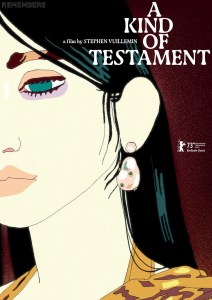
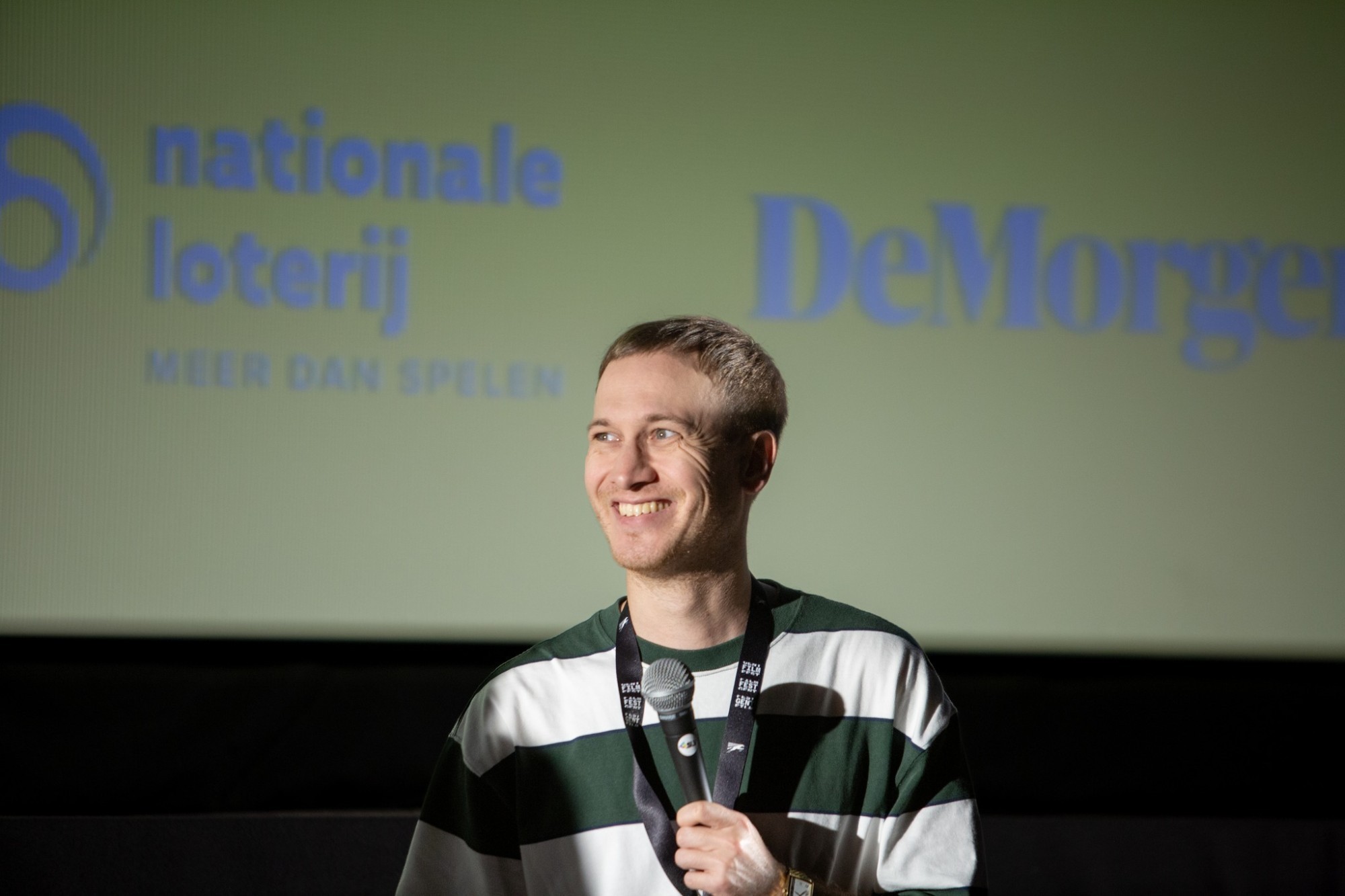 Interview: Im Gespräch mit dem französischen Filmemacher Stephen Vuillemin konnten wir mehr über seinen Kurzfilm „A Kind of Testament“ (OT: „Un Genre de Testament“) erfahren, der im Internationalen Wettbewerb des 36. Filmfest Dresden 2024 lief und den ‚Goldenen Reiter für den Besten Filmton‘ gewinnen konnte. Er erzählt, wie das Erreichen des 30. Lebensjahres ein Kipppunkt war, wie viel Zeit er in den Film gesteckt hat und wie perfekt Musik und Soundeffekte ineinander greifen.
The original english language interview is also available.
Wie ist die Idee zu Deinem Kurzfilm entstanden?
 Es ist jetzt fast zehn Jahre her, dass ich meinen Abschluss an der Uni gemacht habe (Gobelins in Paris, wo ich Animationsfilm studiert habe), und ich hatte immer noch keinen eigenen Film gemacht. Außerdem bin ich gerade 30 geworden, und ich glaube, ich habe eine Art existenzielle Krise durchgemacht. Ich sah nicht mehr so viel Sinn darin, ein Sozialleben zu führen und etwas trinken zu gehen: Stattdessen wollte ich nur noch einen Kurzfilm machen. Und genau das habe ich fünf Jahre lang getan! Nachdem ich fünf Jahre lang allein an dem Film gearbeitet hatte, habe ich ihn ein weiteres Jahr lang mit Remembers (einer sehr netten Produktionsfirma in Frankreich) fertiggestellt.
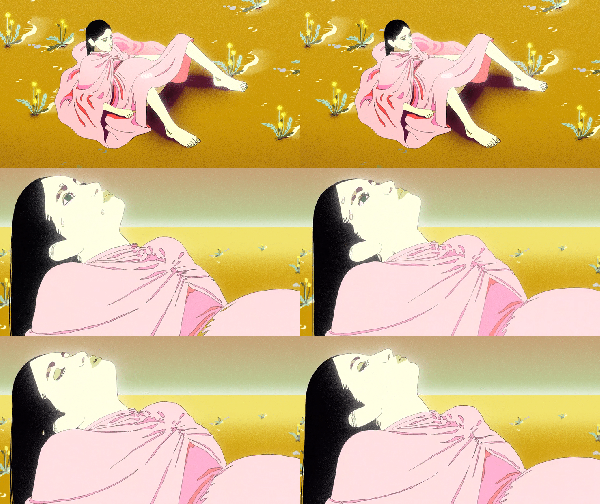 Während der fünf Jahre habe ich immer noch Aufträge angenommen, aber ich habe versucht, so wenig wie möglich anzunehmen, damit ich so viel Zeit wie möglich mit der Arbeit am Film verbringen konnte. Nach fünf Jahren waren etwa zwei Drittel des Films fertig, als ich anfing, mit der Produktionsfirma Remembers zu arbeiten. Ich glaube, wir bekamen etwa 100 000 Euro, um den Film fertigzustellen. Sie besorgten mir ein Team von sehr guten Animatoren, und wir brauchten ein weiteres Jahr, um den Film zusammen mit dem Budget fertigzustellen.
Der Film handelt natürlich von jemandem, der Jahre damit verbringt, Animationen zu machen (wie ich, als ich den Film machte). Es geht auch um das Vergehen von Zeit, Entscheidungen, Bedauern und den Tod. Ich glaube, diese Themen waren alle in meinem Hinterkopf, als ich mit der Arbeit an dem Film begann.
Zwischenzeitlich war ich überzeugt, es muss beinahe real sein. Gerade der Off-Kommentar fühlte sich so offen und authentisch an. Warum hast Du diesen so geschrieben und einsprechen lassen?
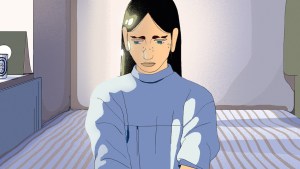 Ich habe mit der großartigen Schauspielerin Naomi Yang zusammengearbeitet, die diesem Voice-over wirklich Leben eingehaucht hat. Ich wollte ihm so wenig Emotionen wie möglich verleihen. Da die Bilder bereits ziemlich spektakulär sind, wollte ich, dass die Off-Stimme ihnen eine gewisse „Erdung“ in der realen Welt gibt. Es ging auch darum, ein Gleichgewicht zwischen der Leidenschaft des Animationsfilmers, der jahrelang an den Animationen gearbeitet hat, und der Sichtweise von jemandem herzustellen, der nicht so beeindruckt ist. Mein Ansatz für den Film war die Nachahmung des Geistes der Vanitas-Gemälde aus der Renaissance. Diese Gemälde sind paradoxerweise sehr extravagant und bescheiden zugleich: Sie sind eine Zurschaustellung des malerischen Könnens des Künstlers, aber gleichzeitig werden die Fähigkeiten des Malers als nichtig abgetan. Das habe ich auch versucht, durch das Voice-Over zu erreichen.
Mit welcher Technik sind Deine Animationen entstanden?
Es ist alles von Hand gezeichnet, Bild für Bild, mit Adobe Animate.
Dein Film ist visuell beeindruckend. Kannst Du mir mehr zu dem Stil und deinen Entscheidungen diesbezüglich erzählen?
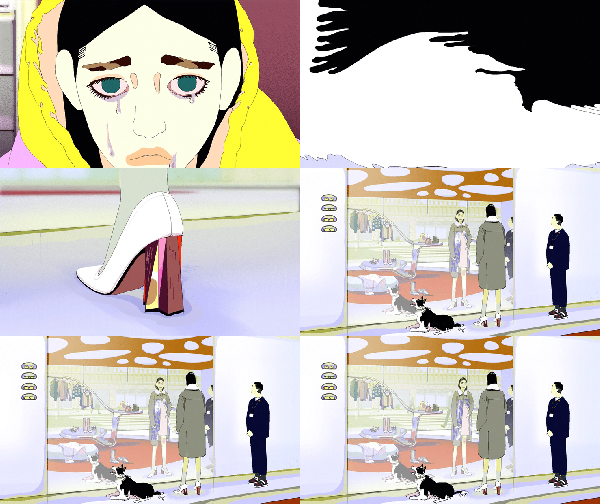
 Da ich sehr eingebildet war und meine Animations- und Zeichenkünste unter Beweis stellen wollte, und da es (zumindest in den ersten fünf Jahren) keine Deadline gab, habe ich keine der zeit- und geldsparenden Maßnahmen ergriffen, die die meisten Animationsfilmemacher anwenden. Ich habe mich voll ins Zeug gelegt, was die Details und auch die Dauer der Aufnahmen angeht. Ich habe absichtlich einige Aufnahmen gemacht, die 30-40 Sekunden lang sind und in denen sich die Figuren durchgehend bewegen: Das ist ein Fehler in der Produktion, denn solche Aufnahmen sind sehr zeitaufwändig und für das Durchschnittspublikum nicht sehr beeindruckend (nur für Animatoren). Ich habe auch mit dem Modedesigner Kerhao Yin zusammengearbeitet, der das Styling mit echten Kleidern gemacht hat, von denen er mir Bilder geschickt hat. Ich bin ein großer Fan des Ergebnisses, aber es bedeutete auch viel zusätzliche Produktionszeit, um sicherzustellen, dass alle Kleidungsstücke realistisch gezeichnet waren.
Der Ton trägt nochmal ganz anders zum Film bei und wirkt bedrohlich – gerade am Anfang und am Ende des Films. Kannst Du mir mehr zum Sounddesign sagen?
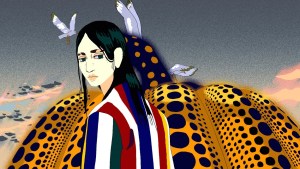 Ich habe mit Qoso (Musik) und Lucien Krampf (Sounddesign) zusammengearbeitet. Sie haben Hand in Hand gearbeitet, so dass das Sounddesign und die Musik wirklich zusammenpassen. Ein Teil der Musik wird als Soundeffekt verwendet. Die Saxophonspuren stammen von Jack Wyllie (vom Portico Quartett), der sie in dem Tonstudio aufgenommen hat, das sie gemeinsam mit meinem Freund Will Ward (19 Sound) in London betreiben. Es war wirklich toll zu sehen, wie es zusammenkam, denn ich kannte all diese Leute schon lange und wollte unbedingt etwas mit ihnen zusammen machen.
 Qoso verwendet außerdem durchgehend ein Sample von Mike Jones und Paul Walls „Still Tippin“, einem Song, den ich entdeckte, als ich 18-19 Jahre alt war, und der einer der ersten Bausteine für meinen Musikgeschmack war. Ursprünglich hatte ich dieses Sample für den Schnitt meines Animationsfilms verwendet und wollte es in der Endfassung entfernen, aber glücklicherweise schlug mein Produzent Felix de Givry vor, es im Film beizubehalten, und Qoso arbeitete seine Melodien darum herum.
Kannst Du mir noch ein bisschen von Dir erzählen und wie Du zum Film gekommen bist?
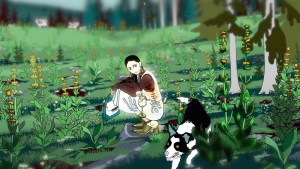 Ich habe in der Oberstufe angewandte Kunst belegt und dann nur ein Jahr lang die Hochschule für Bildende Künste besucht, bevor ich in Gobelins, einer berühmten Animationsschule, aufgenommen wurde. Nach meinem Abschluss arbeitete ich etwa zehn Jahre lang als Freiberufler im Bereich Animation, bevor ich mit der Produktion des Films begann.
Parallel zu meiner Animationskarriere habe ich auch Gifs und Illustrationen (für Zeitungen, Zeitschriften und Werbung) gemacht. Im Jahr 2011 habe ich einen Comic namens „lycéennes“ gemacht, der komplett aus animierten Gifs bestand (etwa 300 Gifs), was damals sehr neu war. (lyceennes.blogspot.com)
 Eine Zeit lang habe ich in London in Studios gearbeitet, die ausschließlich kommerzielle Arbeiten anfertigten. Diese Studios konnten mir auf keinen Fall dabei helfen, die Art von Filmen zu machen, die ich machen wollte, also behielt ich das als eine Form der Fantasie bei; ich träumte davon, die Euromillion im Lotto zu gewinnen und das Geld zu verwenden, um einen eigenen Film zu machen. Aber 2016 wurde mir klar, dass ich alle nötigen Fähigkeiten besitze, um den Film auch ohne Geld selbst zu drehen, und so begann ich damit. Als ich 2021 nach Frankreich zurückkam, stellte ich fest, dass die Szene hier ganz anders war, vor allem mit einem Spieler wie Remembers, der sehr gut zu meinem Stil passte.
Sind bereits neue Projekte geplant?
 Am 15. Mai bringe ich einen Sammelband mit meinen Online-Comics [Anm. d. Red. „Les nourritures extraterrestres“] mit Denoel (in Frankreich) heraus. Die meisten dieser Comics entstanden zur gleichen Zeit wie „A Kind of Testament“, fast als eine Art, Dampf abzulassen, während ich mich darauf konzentrierte, „A Kind of Testament“ so ausgefeilt und perfekt zu machen (die Comics sind also eher ein ‚freies‘ Gegenstück zum Film). Im Juli nehme ich an einer Ausstellung in Tokio mit dem japanischen Künstler Tabaimo teil. Dann bringe ich Ende September ein Kinderbuch mit Albin Michel heraus. Und gleichzeitig arbeite ich auch an einigen Auftragsarbeiten!
Die Fragen stellte Doreen Kaltenecker
Übersetzung von Michael Kaltenecker
Lies auch die Rezension des Kurzfilms „A Kind of Testament“
Interview: In our conversation with French filmmaker Stephen Vuillemin, we were able to find out more about his short film „A Kind of Testament“ (OT: „Un Genre de Testament„), which screened in the International Competition of the 36th Filmfest Dresden 2024 and won the ‚Golden Horseman for Best Film Sound‘. He talks about how reaching the age of 30 was a tipping point, how much time he put into the film and how perfectly the music and sound effects intertwine.
How did the idea for your short film come about?
It has been almost 10 years since I graduated from uni (gobelins, in Paris, where I studied animation filmmaking), I still hadn’t made a film of my own. I also just turned 30, and I think I went through a sort of existential crisis. I didn’t really see so much more sense in pursuing a social life and going out for drinks anymore : instead, all I wanted was making a short film. So I did just that for 5 years ! After five years of working on the film alone, I finished it with Remembers (a very nice production company in France) for another year.
During those five years I was still taking commissions, but I tried to take as little as possible so I could spend as much time as possible working on the film. After 5 years, about two thirds of the film were completed when I started working with Remembers. I think we got around 100 000 euros to complete the film. They got me a team of very good animators, and it took us another year to finish it together with the budget.
Very naturally, the film is about someone who spends years making animation (like me when I was making the film). It’s also about time-passing, decisions, regrets and death. I think these topics were all in the back of my mind when I started making the film.
From time to time I was almost convinced that it must be real. The off-camera commentary in particular felt so open and authentic. How did you write it and have it recorded?
I worked with the great actress Naomi Yang, who definitely did a great job at giving life to this voice-over. I wanted to give as little emotion as possible to it. Since the images are already quite spectacular, I wanted the voice-over to give them some „grounding“ into the real world. The point was also to balance the passion of the animator character, who spent years making the animations, with the point of view of someone who’s not that impressed. My approach with the film was emulating the spirit of „vanitas“ paintings from the Renaissance. They carry this paradox of being both very flamboyant and modest at the same time : they’re a display of the artist’s painting skills, but at the same time, they dismiss the painter’s skills as vanitous. I tried to do this too, through the voiceover.
What technology did you use to create your animations?
It’s all hand-drawn, frame by frame, using adobe animate.
Your movie is visually impressive. Can you tell me more about the style and the choices you made?
As I was very vanitous and I was trying to show off my animation and drawing skills, and also since there was no deadline (at least for the first 5 years), I didn’t do any of the time-saving, money-saving things that most animation film-makers do. I went full on in terms of details, and in terms of shot duration too. I purposefully did some shots that are 30-40 seconds long, with characters moving all the way through : it’s an aberration in terms of production, because such shots are very time consuming, and not very impressive for the average public (only for animators). I also worked with fashion-designer Kerhao Yin, who did the styling with real clothes of which he sent me pictures. I’m a big fan of how this turned out, but it was also a lot of additional production time making sure that all the clothes were drawn realistically.
The sound contributes to the movie in a completely different way and seems threatening – especially at the beginning and end of the movie. Can you tell me more about the sound design?
I worked with Qoso (music) and Lucien Krampf (sound design). They worked hand in hand, so the sound-design and the music really blend together. Some of the music is used as a sound effect. The saxophone tracks are courtesy of Jack Wyllie (from Portico quartet), who recorded them to the image in the sound studio they run together in London with my friend Will Ward (19 sound). It was really great to see it coming together, since I knew all of these people from a long time, and I really wanted to do something together with them.
Qoso also used a sample from Mike Jones and Paul Wall’s „Still Tippin“ all the way through, a song I discovered when I was 18-19 years old, and was one of the first building blocks for my taste in music. I originally used this sample for editing my animatic and was thinking of removing it in the final edit, but fortunately, my producer Felix de Givry suggested that we keep it into the film, and Qoso worked his melodies around it.
Can you tell me a bit more about yourself and how you came to film?
I studied applied arts in high school, then I went to the fine arts university for 1 year only, before getting into Gobelins, a famous animation school. After I graduated, I started working in animation as a freelancer, for about 10 years, before starting making the film.
In parallel to my animation career, I was also making gifs and illustrations (for newspapers, magazines and commercials). In 2011, I did a comic strip called „lycéennes“ that was made entirely of animated gifs (around 300 gifs), which was very new at the time. (lyceennes.blogspot.com)
For a while, I was working in London, with studios that were doing commercial work only. There was no way such studios could help me make the kind of films I wanted to make, so I kept that as a form of fantasy ; I was day-dreaming that I’d win the Euromillion lottery, and I would use the money to make a film of my own. But in 2016, I realized that I had all the skills needed to actually make the film by myself with no money, so I started doing it. When I came back to France in 2021, I found that the scene was very different here, especially with a player such as Remembers that was a very good fit for my style.
Are there any new projects planned?
I’m releasing an anthology of my online comics with Denoel (in France) on May the 15th. Most of these comics were made at the same time as „A Kind of Testament„, almost as a way to blow out some steam while focusing on trying to make „A Kind of Testament“ this polished and perfect (so the comics are more ‚freestyle‘ counterpart to the film). I’m participating in an exhibition in Tokyo with Japanese artist Tabaimo in July. Then I’m releasing a children’s book at the end of September with Albin Michel. And I’m working on some commissions at the same time too!
Questions asked by Doreen Kaltenecker
Read on the german review of the short film „A Kind of Testament„