
Studium der Kunstgeschichte - Schwerpunkt: Filmgeschichte
(Abschluss 2010 mit der Arbeit "Rembrandt im Spielfilm")
Nebenfächer: Philosophie und Alte Geschichte
- seit 2012: Filmkritikerin bei movieworlds (Kino, DVD, BD, Festivalberichte)
- seit 2015: Blog 'Testkammer' online
- Jetzt in der Mediathek! – Der Film „House of Existence“ - 13. September 2026
- Acht Fragen an Jorge Sermini - 11. September 2026
- „Daughter“ (2024) - 11. September 2026
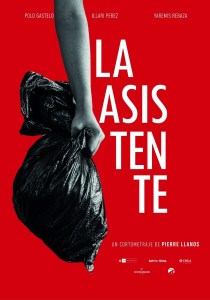
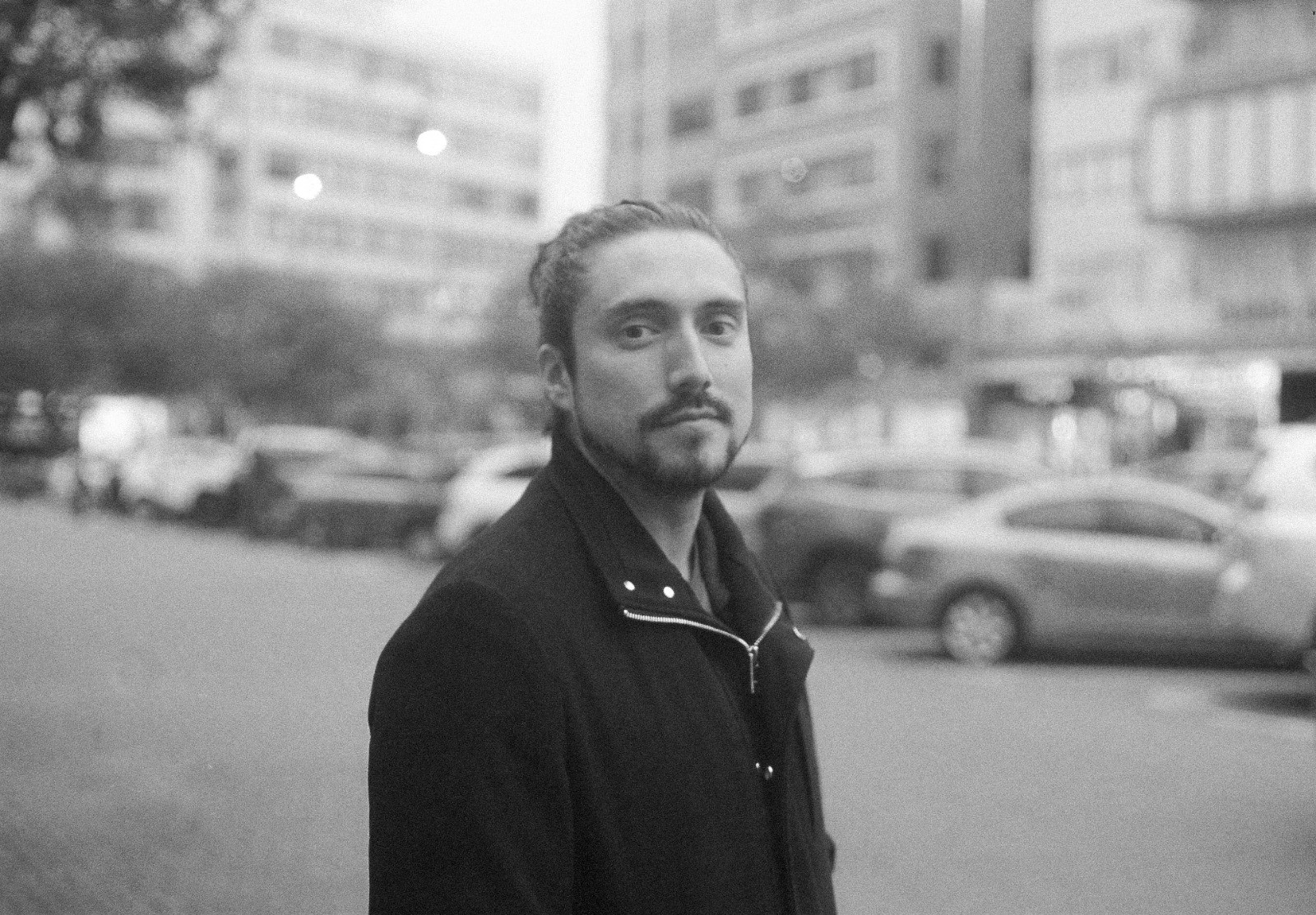 Interview: Im Gespräch mit dem peruanischen Filmemacher Pierre Llanos konnten wir mehr über seinen Kurzfilm „The Assistant“ (OT: „La Asistente“), der auf dem 40. interfilm Festivals Berlin 2024 lief, wie er seine Geschichte dafür fand, warum er sich für die Perspektive eines Kindes entschied und wie der peruanische Regisseur Pierre Llanos den Stil des Films maßgeblich geprägt hat.
The original english language interview is also available.
Wie entstand die Idee zu Deinem Kurzfilm und in welchem Rahmen konntest Du diesen umsetzen?
Seit mehreren Jahren hatte ich mit dem Gedanken gespielt, einen Kurzfilm über Kinderarbeit zu drehen, ein in der peruanischen Realität immer wiederkehrendes und sehr präsentes Thema. Aber ich wusste nicht, wie ich es angehen sollte. Dann hatte ich eine persönliche Erfahrung im Zusammenhang mit einer Abtreibung, aus der ich viel gelernt habe. Als ich das alles hinter mir hatte, fühlte ich endlich, dass ich das Recht hatte, einen Film über diese Themen zu schreiben und Regie zu führen.
Was erzählt Dein Kurzfilm über das Land?
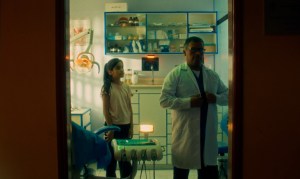
Illari Pérez und Pold Gastello
Die wichtigste Erkenntnis, die ich aus diesem Projekt ziehen kann, ist, dass der Staat in meinem Land widersprüchlich und voller Heucheleien ist. Einerseits finanziert er dieses Projekt, das die oben erwähnten Probleme aufwirft, aber andererseits sind wir ein Land, in dem der Staat die Abtreibung verurteilt, offen konservativ ist und Kinderarbeit normalisiert.
Warum hast Du Dich für die Perspektive eines Kindes entschieden?
Als Mann fühlte ich mich dem Thema Abtreibung immer noch irgendwie fern und distanziert gegenüber. Die Perspektive des Kindes ermöglichte es mir, diese Geschichte aus einer distanzierten Zuschauerperspektive zu erzählen, während ich gleichzeitig über diesen Übergangsritus für das Mädchen, vorzeitig erwachsen zu werden, sprechen konnte.
Was war Dir bei der visuellen Ausgestaltung wichtig?
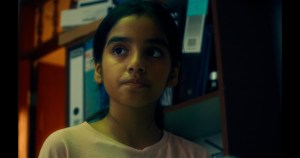
Illari Pérez
Tatsächlich wurde der visuelle Stil des Kurzfilms von den frühen Filmen von Wong Kar Wai, einem meiner Lieblingsregisseure, inspiriert. Sein visueller Stil mit der Handkamera, den körnigen, traumhaften Bildern und den gesättigten Farben waren Merkmale, die ich in diesem Projekt haben wollte. Ich habe immer geglaubt, dass die Räume in Hongkong, die er in seinen Filmen entdeckt, und die Art und Weise, wie er sie darstellt, leicht auf Lima übertragen werden könnten, und dass es genauso gut funktionieren würde. Dieser Kurzfilm ist ein erstes persönliches Experiment, um diesen visuellen Stil auf die mir bekannten Räume und Realitäten zu übertragen.
Die Darsteller:innen spielen ihre Rollen sehr gut. Hast Du sie über ein klassisches Casting gefunden?
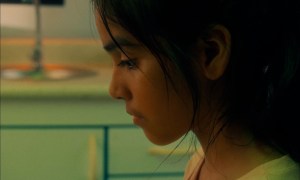
Illari Pérez
Für jede Hauptfigur verlief der Castingprozess anders. Am längsten dauerte es bei der Hauptdarstellerin, deren Prozess in zwei Teile gegliedert war: Der erste bestand aus einem Interview mit ihr und ihrer Familie, um sie besser kennenzulernen und diese Themen mit ihr besprechen zu können, und der zweite aus Schauspiel- und Improvisationsübungen. Im Fall der Patientin handelte es sich um eine junge Schauspielerin, die ich im Theater gesehen hatte, und wir trafen uns persönlich, um uns gemeinsam auf die Rolle vorzubereiten. Der Arzt ist ein Schauspieler, der in meinem Land eine große Karriere gemacht hat; wir haben ihm die Rolle angeboten, und er hat angenommen.
Kannst Du mir noch ein bisschen mehr von Dir erzählen und wie Du zum Film gekommen bist?
Ich bin ein peruanischer Regisseur und hatte die Gelegenheit, bei etwa acht Kurzfilmen Regie zu führen, sowohl in Peru als auch in Spanien. Bevor ich Regisseur wurde, habe ich mich jedoch als Schriftsteller gesehen, denn das ist meine größte Leidenschaft. So begann meine Beziehung zum Kino – ich schrieb Geschichten und Drehbücher und wollte sie dann auf die Leinwand bringen und sehen, wie sie umgesetzt werden. Seit ich diese Karriere begonnen habe, habe ich jeden Kurzfilm geschrieben, bei dem ich Regie führen konnte; für mich sind diese beiden Rollen untrennbar miteinander verbunden.
 Sind bereits neue Projekte geplant?
Nachdem ich so viele Kurzfilme gedreht habe, fühle ich mich jetzt in der Lage, meinen ersten Spielfilm zu drehen. Zurzeit bereite ich in Spanien ein Spielfilmprojekt vor, das sich mit dem Migrationsprozess einer Familie befasst und gewisse Elemente des psychologischen Horrors enthält. Das ist ein Thema, das mich persönlich gerade sehr bewegt, und ich würde es gerne in einem Genrefilm behandeln.
Die Fragen stellte Doreen Kaltenecker
Übersetzung von Michael Kaltenecker
Lies auch die Rezension des Kurzfilms „The Assistant“
Interview: In our conversation with Peruvian filmmaker Pierre Llanos, we were able to find out more about his short film „The Assistant“ (OT: „La Asistente“), which screened at the 40th interfilm Festival Berlin 2024, how he found his story for it, why he decided to use a child’s perspective and how Peruvian director Pierre Llanos was instrumental in shaping the style of the film.
How did the idea for your short film come about and in what context were you able to realize it?
For several years, I had been thinking about making a short film related to child labor, a very recurring and present issue in the reality of Peru. However, I didn’t know how to approach it. Then, I had a personal experience related to abortion, and I learned a lot from it. With all of that behind me, I finally felt I had the right to write and direct a film on these topics.
What does your short film tell us about the country?
The main takeaway I can draw from this project is that the state in my country is contradictory, full of hypocrisies. On one hand, they finance this project, which raises the issues mentioned earlier, but on the other hand, we are a country where the state condemns abortion, is openly conservative, and normalizes child labor.
Why did you choose the perspective of a child?
As a man, I still felt somehow detached and distant from the issue of abortion. The child’s perspective allowed me to tell this story from a distant, spectator point of view, while at the same time, it enabled me to speak about this rite of passage for the girl to become an adult prematurely.
What was important to you in the visual direction?
In fact, the visual style of the short film was inspired by the early films of Wong Kar Wai, one of my favorite directors. His visual style of handheld camera, grainy dreamlike images, and saturated colors were features I wanted in this project. I have always believed that the spaces in Hong Kong discovered in his films and the way he chooses to portray them could easily be translated to Lima, and it would work just as well. This short film is a personal first experiment in trying to bring that visual style to the spaces and realities I know.
The actors play their roles very well. Did you find them through a traditional casting process?
For each main character, the casting process has been different. The longest one was for the lead girl, whose process was divided into two parts: the first was an interview with her and her family to get to know her better and be able to discuss these topics with her, and the second involved acting and improvisation exercises. In the case of the patient, she was a young actress I had seen in the theater, and we met in person to prepare for the role together. The doctor is an actor with a great career in my country; we offered him the role, and he accepted.
Can you tell me a bit more about yourself and how you came to filmmaking?
I am a Peruvian director, and I have had the opportunity to direct around 8 short films, both in Peru and in Spain. However, before being a director, I consider myself a writer, as it is what I am most passionate about. This is how my relationship with cinema began—writing stories and scripts, and then wanting to bring them to the screen and see them materialized. Since I started this career, I have written every short film I’ve been able to direct; for me, these two roles are inseparable.
Are there any new projects planned?
After making so many short films, I now feel capable of creating my debut feature. At this moment, I am preparing a feature film project in Spain related to the migration process of a family, with certain elements of psychological horror. It is a topic that deeply moves me personally right now, and I would like to approach it in a genre film.
Questions asked by Doreen Kaltenecker
Read on the german review of the short film „The Assistant„