
Studium der Kunstgeschichte - Schwerpunkt: Filmgeschichte
(Abschluss 2010 mit der Arbeit "Rembrandt im Spielfilm")
Nebenfächer: Philosophie und Alte Geschichte
- seit 2012: Filmkritikerin bei movieworlds (Kino, DVD, BD, Festivalberichte)
- seit 2015: Blog 'Testkammer' online
- Neun Fragen an Joscha Bongard - 20. April 2026
- „Babystar“ (2025) - 20. April 2026
- Jetzt online! – Der Film „Beautiful Men“ - 19. April 2026
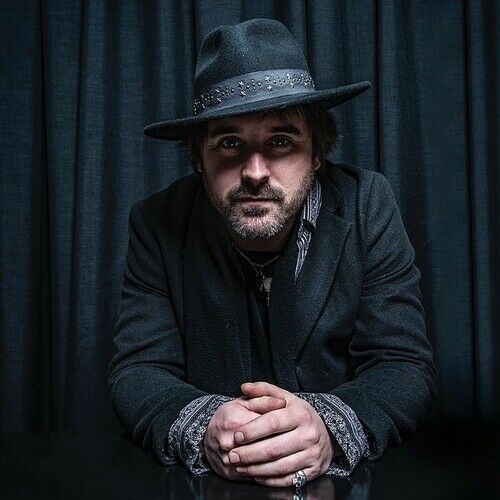 Interview: Im Gespräch mit dem britischen Regisseur Brendan Cleaves konnten wir mehr über seinen Kurzfilm „The Tunnel“ erfahren, der im ‚Shock Block‘ des 25. Landshuter Kurzfilmfestival 2025 lief, was ihn zu seiner Geschichte inspiriert hat, wie es war, in dem alten Tunnel zu drehen und warum sie sich für einen Found Footage Film entschieden haben.
The original english language interview is also available.
Wie ist die Idee zu Deinem Film entstanden?
Ich wohne tatsächlich auf dem Boot, auf dem wir den Film gedreht haben. Davor hatte ich ein anderes Boot, das im Zentrum Londons lag und das ich oft durch den Islington-Tunnel schieben musste – den Tunnel, der King’s Cross mit Angel verbindet. Dieser Tunnel war für mich immer eine der versteckten Juwelen Londons. Er liegt mitten im Herzen der Stadt, aber die meisten Menschen wissen nicht einmal, dass es ihn gibt. Er hat etwas Unheimliches und Jenseitiges an sich – ruhig und schön, aber auch verdammt gruselig. Ich hatte schon seit Jahren mit dem Gedanken gespielt, dort etwas zu drehen, aber erst als ich mit der Autorin Cera Rose Pickering zusammenarbeitete, nahm die Idee wirklich Gestalt an.
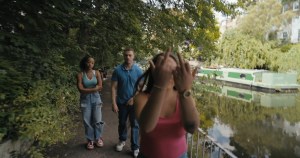 Cera wollte einen Kurzfilm schreiben, und so begannen wir gemeinsam, die Geschichte zu entwickeln. Ich erzählte ihr von der Idee, die ich hatte, und sie schrieb ein brillantes Drehbuch, das sie zum Leben erweckte.
Ich wollte nicht einfach nur einen weiteren Monsterfilm machen. Ich wollte, dass sich der Antagonist wie eine Erweiterung des Tunnels selbst anfühlt – aber in gewisser Weise auch ein Spiegelbild des Protagonisten. Daraus entstand das Konzept „Die Lügen töten dich“. Der Schrecken ist nicht nur äußerlich, er ist auch innerlich. Der Tunnel wird zu einer Art psychologischen Raum, in dem das, was du versteckst, dich schließlich einholt.
Warum erzählt ihr den Film als Found Footage Film und was war dafür wichtig?
Für mich verlangt jede Geschichte ihren eigenen Stil. Die Art und Weise, wie man eine Geschichte aufbaut, sollte ihren Kern widerspiegeln – und in diesem Fall erschien mir Found Footage als die ehrlichste und 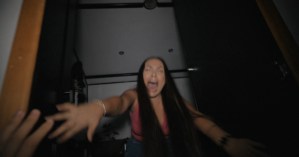 effektivste Art, sie zu erzählen. Das Boot, auf dem wir gedreht haben, ist unglaublich klein, und es auf herkömmliche Weise zu filmen, hätte sich gezwungen oder übermäßig poliert angefühlt. Wir brauchten diese klaustrophobische Atmosphäre, diese unverfälschte Intimität – und Found Footage bot uns genau das.
Außerdem bot es eine persönliche, unmittelbare Note, die wirklich zu dem Material passte. Ich hatte zuvor noch nie einen Found-Footage-Film gedreht und sah dies als eine Chance, mich selbst herauszufordern. Kurzfilme sind für mich ein Raum, um zu experimentieren und als Filmemacher zu wachsen. Dies war eine Gelegenheit, einen anderen Ansatz für das Erzählen von Geschichten zu finden und eine neue Filmsprache zu lernen.
Ihr habt teilweise wirklich in dem 100 Jahre alten Tunnel gedreht, richtig? Ist es denn wirklich unheimlich darin?
Oh ja – auf jeden Fall. Die Darsteller waren noch nie zuvor dort gewesen, also hatten sie wirklich 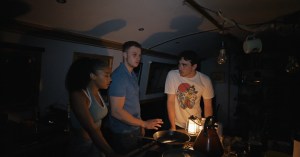 große Angst. Es ist stockdunkel, eng, und das ständig tropfende Wasser ist auch nicht gerade hilfreich. Die Geräusche hallen auf eine wirklich beunruhigende Art und Weise, und es herrscht eine seltsame, unheimliche Stille an diesem Ort. Man hat das Gefühl, dass man sich an einem Ort befindet, an dem man nicht sein sollte.
Wenn dein Boot in diesem Tunnel eine Panne hat, gibt es kein Entkommen – du musst buchstäblich warten, bis jemand kommt und dich rettet. Es passt immer nur ein Boot hinein, also musst du sicher sein, dass der Weg frei ist, bevor du hineinfährst. Das ist nicht gerade ein Ort, an dem man stecken bleiben möchte.
Und ganz ehrlich… da sind definitiv Leichen drin. Wahrscheinlich.
Wie lange habt ihr im Gesamten für die Realisierung gebraucht? Und wie habt ihr den Film finanziell auf die Beine gestellt?
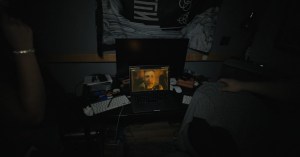 Ich wollte schon seit etwa acht Jahren einen Film in diesem Tunnel drehen, es hat also schon lange geköchelt. Es brauchte nur den richtigen Moment – und die richtige Zusammenarbeit – um ihn zum Leben zu erwecken.
Da wir auf meinem eigenen Hausboot drehten und uns an den Found-Footage-Stil anlehnten, waren die Kosten relativ gering. Wir brauchten keine großen Beleuchtungsanlagen oder eine große Crew. Diese Flexibilität bedeutete, dass ich die ganze Sache selbst finanzieren konnte, was uns völlige kreative Freiheit gab. Es war sehr dürftig, aber gerade das machte es so spannend.
Dein Cast ist sehr gut besetzt – wie hast Du Deine Darsteller:innen gefunden?
Für unsere Hauptbesetzung haben wir mit der Casting-Direktorin Andrea Clarke zusammengearbeitet. Wir haben das Netz ziemlich weit ausgeworfen und hatten das 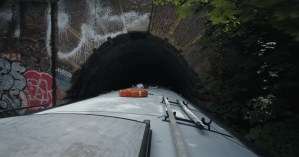 unglaubliche Glück, eine so solide Gruppe von Schauspielern zu finden. Jeder von ihnen brachte etwas Einzigartiges in das Projekt ein und engagierte sich wirklich für das Konzept.
Ich habe sie definitiv ins kalte Wasser geworfen – klaustrophobische Räume, Nachtdrehs, eisige Bedingungen – aber sie haben das alles wie Profis gemeistert. Außerdem musste ich ihnen beibringen, wie man ein Narrowboat steuert und eine Kamera bedient… in etwa zehn Minuten. Das ist keine typische Vorbereitung für eine Rolle, aber sie haben es absolut gemeistert.
Kannst Du mir noch kurz erzählen, wie Du selbst zum Film gekommen bist?
Ich habe einfach angefangen, Filme zu machen – so einfach ist das. Dann wurde ich vom
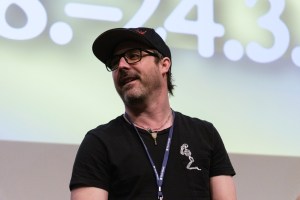
Brendan Cleaves (Regisseur von „The Tunnel“) im Filmgespräch auf dem 25. LAKFF
Drehbuchschreiben besessen und begann alles zu lesen, was ich in die Finger bekam. Das hat mich dazu gebracht, meine eigenen Drehbücher zu schreiben und meine eigene Stimme zu entwickeln.
Am Anfang meiner Karriere habe ich bei vielen Musikvideos Regie geführt, was eine großartige Spielwiese war, um mit Bildern und Ton zu experimentieren. Es war ein schrittweiser Prozess, aber ich hatte immer ein Ziel: einen Spielfilm zu machen. Dem komme ich jetzt immer näher, und alles, was ich bis jetzt gemacht habe, hat darauf hingearbeitet.
Sind bereits neue Projekte geplant?
Ja – es gibt viel zu tun. Ich bin gerade dabei, einen weiteren Kurzfilm namens „Crak Hack“ zu drehen, eine sehr düstere Komödie über Sextortion und 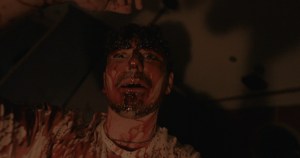 einen armen Kerl, dessen Sexspielzeug gehackt wird. Wir wollen den Film im Mai drehen.
Ich habe auch die Option auf zwei Drehbücher für Spielfilme, und bei beiden werde ich Regie führen. Ich drücke die Daumen, dass mindestens einer von ihnen 2026 in Produktion geht.
Und wir entwickeln auch eine Spielfilmversion von „The Tunnel“. Es wird wahrscheinlich kein Found-Footage-Film werden, aber wir haben einige spannende Ideen, um die Welt zu erweitern und in eine neue Richtung zu führen.
Die Fragen stellte Doreen Kaltenecker
Übersetzung von Michael Kaltenecker
Lies auch die Rezension des Kurzfilms „The Tunnel“
Interview: In our conversation with British director Brendan Cleaves, we were able to find out more about his short film „The Tunnel„, which screened in the ‚Shock Block‘ of the 25th Landshut Short Film Festival 2025, what inspired his story, what it was like to shoot in the old tunnel and why they decided to make a found footage film.
How did the idea for your movie come about?
I actually live on the boat that we shot the film on. Before that, I had another boat moored in central London and would often have to move it through the Islington Tunnel—the one that connects King’s Cross to Angel. That tunnel always struck me as one of London’s hidden gems. It’s right in the heart of the city, but most people don’t even know it exists. There’s something eerie and otherworldly about it—calm and beautiful, but also creepy as hell. I’d been thinking about shooting something there for years, but it wasn’t until I started collaborating with writer Cera Rose Pickering that the idea really took shape.
Cera wanted to write a short, so we began developing the story together. I told her about this idea I’d been sitting on, and she went away and wrote a brilliant script that brought it to life.
I didn’t want to make just another monster film. I wanted the antagonist to feel like an extension of the tunnel itself—but also, in some ways, a reflection of the protagonist. That’s where the concept of “the lies kill you” came from. The horror isn’t just external; it’s internal too. The tunnel becomes a kind of psychological space, where what you’re hiding eventually comes for you.
Why did you tell the movie as a found footage film and what was important to you in making found footage film?
For me, every story demands its own style. The way you frame a story should reflect its core—and in this case, found footage felt like the most honest and effective way to tell it. The boat we shot on is incredibly small, and shooting it in a traditional, cinematic way would have felt forced or overly polished. We needed that claustrophobic atmosphere, that raw intimacy—and found footage gave us exactly that.
It also offered a personal, immediate edge that really suited the material. I’d never made a found footage film before, and I saw this as a chance to challenge myself. Short films, for me, are a space to experiment and grow as a filmmaker. This was an opportunity to explore a different approach to storytelling and learn a new language of cinema.
You actually filmed part of the movie in the 100-year-old tunnel, right? Is it really scary there?
Oh yeah—absolutely. The cast had never been through it before, so they were genuinely freaked out. It’s pitch dark, narrow, and the constant dripping water doesn’t help. The sound echoes in this really unsettling way, and there’s this strange, eerie stillness to the place. It feels like you’re somewhere you’re not supposed to be.
If your boat breaks down in that tunnel, there’s no escape—you’d literally have to wait for someone to come through and rescue you. Only one boat can fit at a time, so you have to be sure the path is clear before entering. It’s not exactly a place you want to get stuck.
And honestly… there are definitely bodies in there. Probably.
How long did it take you to realize the film? And how did you get the movie off the ground financially?
I’d been wanting to make a film in that tunnel for about eight years, so it’s been simmering for a long time. It just took the right moment—and the right collaboration—to bring it to life.
Since we shot it on my own houseboat and leaned into the found footage style, the budget was relatively low. It didn’t need big lighting setups or a massive crew. That flexibility meant I could self-fund the whole thing, which gave us complete creative freedom. It was scrappy, but that’s part of what made it exciting.
Your cast is great – how did you find your actors?
For our main cast, we worked with casting director Andrea Clarke. We cast the net pretty wide and were incredibly lucky to land such a solid group of actors. They each brought something unique to the project and really committed to the concept.
I definitely threw them in at the deep end—claustrophobic spaces, night shoots, freezing conditions—but they handled it all like pros. On top of that, I had to teach them how to steer a narrowboat and operate a camera… in about ten minutes. Not your typical prep for a role, but they absolutely nailed it.
Can you briefly tell me how you came to filmmaking yourself?
I just started making films—simple as that. Then I got obsessed with screenwriting and started reading everything I could get my hands on. That led me to writing my own scripts and really developing my voice.
In the early part of my career, I directed a lot of music videos, which was a great playground to experiment with visuals and tone. It’s been a gradual process, but I’ve always had one goal: to make a feature film. I’m getting close to that now, and everything I’ve done up to this point has been building toward it.
Are there any new projects planned?
Yes—lots on the go. I’m about to shoot another short called „Crak Hack“, a very dark comedy about sextortion and a poor guy whose sex toy gets hacked. We’re aiming to shoot that in May.
I’ve also optioned a couple of feature film scripts and I’m attached to direct both. Fingers crossed at least one of them goes into production in 2026.
And we’re developing a feature version of „The Tunnel“ as well. It probably won’t be found footage, but we’ve got some exciting ideas to expand the world and take it in a fresh direction.
Questions asked by Doreen Kaltenecker
Read on the german review of the short film „The Tunnel„