
Studium der Kunstgeschichte - Schwerpunkt: Filmgeschichte
(Abschluss 2010 mit der Arbeit "Rembrandt im Spielfilm")
Nebenfächer: Philosophie und Alte Geschichte
- seit 2012: Filmkritikerin bei movieworlds (Kino, DVD, BD, Festivalberichte)
- seit 2015: Blog 'Testkammer' online
- Acht Fragen an Jorge Sermini - 11. September 2026
- „Daughter“ (2024) - 11. September 2026
- Kinostarts 10.09.2026 - 9. September 2026
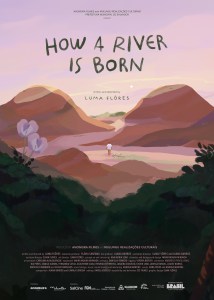
I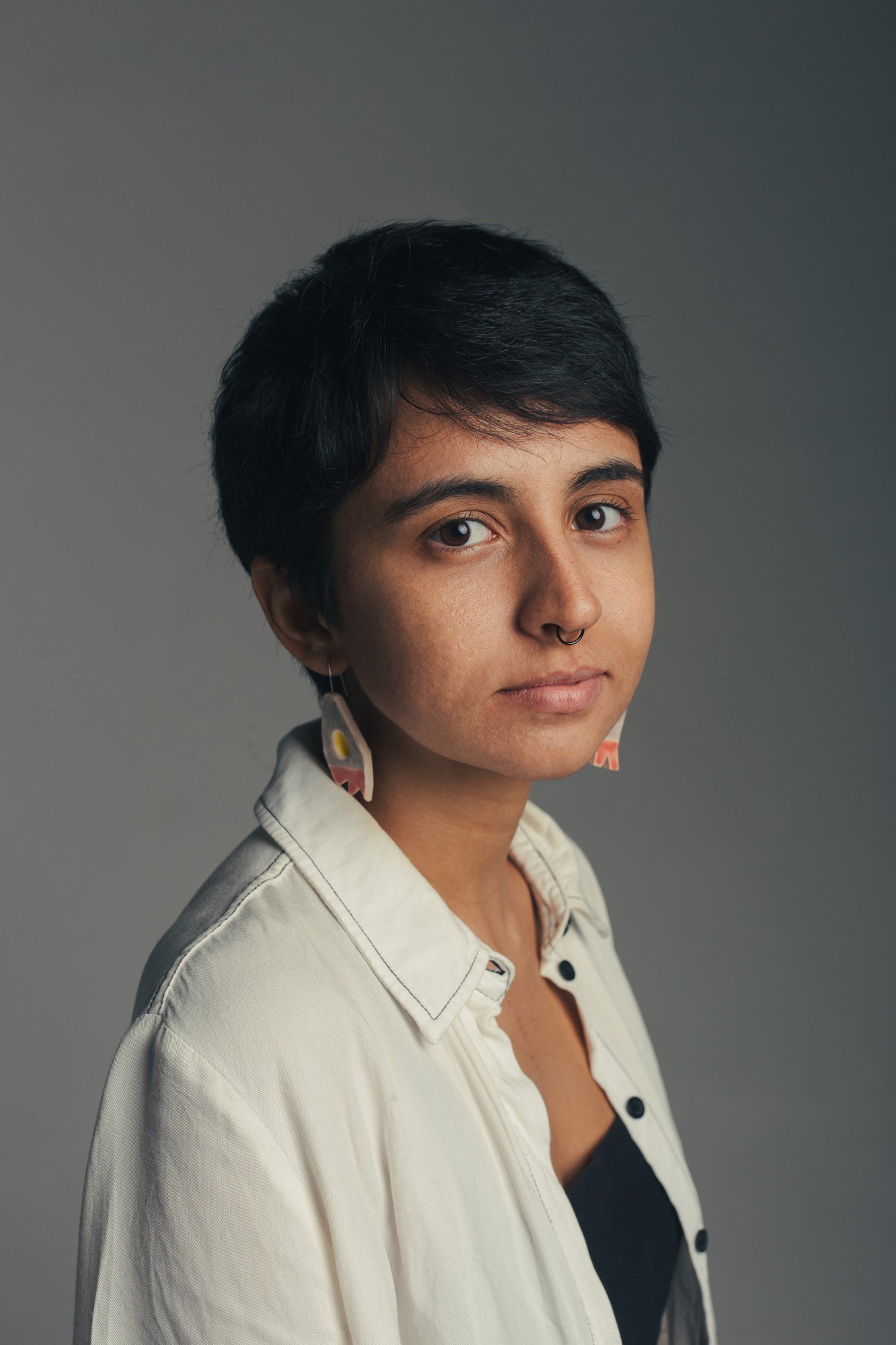 nterview: Im Gespräch mit der brasilianischen Filmemacherin und Künstlerin Luma Flôres konnten wir mehr über ihren Kurzfilm „How a River is Born“ (OT: „Como nasce um rio“) erfahren, der auf dem 68. DOK Leipzig 2025 seine Deutsche Premiere feierte, was sie dazu inspirierte und warum es wichtig ist, solche Geschichten zu erzählen. Auch erzählt sie mehr über die Animationen, den Stil und die eingesetzte Musik.
The original english language interview is also available.
Wie ist die Idee zu dem Kurzfilm entstanden?
Der Film ist vor allem eine Hommage an die Liebe zwischen Frauen, wie sie selten dargestellt wird, insbesondere in Animationsfilmen. Ich bin ohne vielfältige, positive und strahlende lesbische und bisexuelle Erzählungen aufgewachsen. Viele Geschichten über sexuelle Selbstfindung werden als Moment der Unterdrückung oder Unsicherheit dargestellt. Daher war es mir wichtig, eine Erzählung zu schaffen, die dieses Erwachen mit Feingefühl und Poesie umgibt, ohne dabei an Intensität zu verlieren.
 Das Wasser ist das Element, das den Film leitet. Es steht für das Verlangen in seiner pulsierendsten Form: etwas, das sich ausdehnt, fließt und einbezieht. Wie das Verlangen kann auch Wasser nicht eingedämmt werden, ohne sich zu verwandeln. Seine kontinuierliche Bewegung, sein Glanz, seine Kurven und Wellen schaffen eine eigene Sprache, um auszudrücken, was im Körper entsteht, noch bevor es zu einem Gedanken wird. Die Arbeit mit diesem Element war unerlässlich, um Aylas Entdeckung des Verlangens zu vermitteln. Eine Strömung, die zaghaft beginnt und wächst, bis sie überfließt.
Welches Gefühl möchtest Du vermitteln?
Ich wollte, dass das Publikum dieses Sinnesuniversum gemeinsam mit der Figur spürt und entdeckt, indem Texturen, Farben, Rhythmen und Stille etwas zum Ausdruck bringen, das wir oft nicht in Worte fassen können. Animation war schon immer ein fruchtbarer Boden für Symbolik und Darstellungen der Fantasie. Als Regisseurin und bildende Künstlerin glaube ich fest an die Kraft der visuellen Oralität, an Geschichten, die durch Gesten, Stimmungen und Bildschichten erzählt werden. Die sich verändernde Landschaft, die Vegetation, die auf Berührungen reagiert, das Wasser, das fließt und überläuft – all das nimmt als eigenständige Figur an der Erzählung teil.
Kannst Du mir etwas über die Animationen, den Stil und die Farbwahl erzählen?
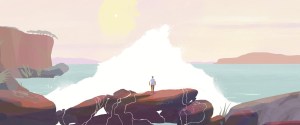 Der Film ist vollständig in 2D-Digitaltechnik animiert, und die Figuren wurden mit digitalen Puppen zum Leben erweckt. Die Animation zeichnet sich durch subtile und langsame Bewegungen aus, die den kontemplativen Ton der Geschichte unterstreichen und Raum für die Landschaft lassen. Die Klimaxszene, die unter Wasser spielt, wurde vollständig animiert. Sie wechselt bewusst zu einem anderen visuellen Stil und markiert einen noch eindringlicheren Moment, in dem die Empfindungen über die Grenzen des Körpers hinauszugehen scheinen. Die Farbpalette besteht aus sanften Pastelltönen, wobei Rosa- und Erdtöne stark vertreten sind. Diese Wahl sollte ein Gefühl von Geborgenheit, Zuneigung und Fantasie hervorrufen und gleichzeitig auf Farben in der Natur und in unserem eigenen Körper verweisen.
Gibt es Künstler oder Stile, die Dich inspiriert haben?
Ich wurde vom Stil und den Farbpaletten von Künstlern wie Celia Jacobs und Margaret Jeane inspiriert, ebenso wie von den Arbeiten von Maíra Moura Miranda, die auch das Charakterdesign, die Hintergründe und das Storyboard für den Film entworfen hat. Die Regisseurin Flóra Anna Buda ist ebenfalls eine große Inspiration für mich, insbesondere ihr jüngster Kurzfilm „27“.
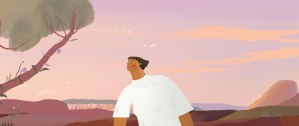
Über ästhetische Referenzen aus anderen künstlerischen Werken hinaus glaube ich, dass mich auch mein Wohnort stark beeinflusst hat. Brasilien und insbesondere Bahia haben Landschaften, die denen ähneln, die ich in den Film eingebracht habe. Ich lebe auch in Salvador, einer Stadt, in der Wasser eine sehr starke und konstante Präsenz hat, was natürlich meine visuellen und narrativen Entscheidungen geprägt hat.
Worte braucht der Film nicht – dafür besitzt er einen sanften Musikeinsatz. Was lag Dir auf der auditiven Ebene am Herzen?
Die Musik hat die kraftvolle Fähigkeit, den Charakter zu leiten und die emotionale Reise zu gestalten. Ich wollte, dass der Soundtrack im Verlauf der Geschichte allmählich Spannung und Rhythmus aufbaut und das Publikum zum Höhepunkt des Films führt. Außerdem suchte ich nach einem sinnlicheren Ton, etwas, das das Verlangen wecken könnte, ohne jemals Worte zu verwenden. Die Künstlerin Andrea Martins schuf aus dieser Idee eine wunderschöne Filmmusik, indem sie verschiedene Instrumente, insbesondere die Gitarre, miteinander verband, um eine sanfte und doch intime Atmosphäre zu schaffen.
Kannst Du mir von Dir erzählen und wie Du zum Film gekommen bist?
 Dies ist der erste Film, bei dem ich als Drehbuchautorin und Regisseurin fungiert habe. Davor war ich seit 2017 an etwa 15 Animationsproduktionen als Hintergrundillustratorin, Charakterdesignerin und Animatorin beteiligt. Ich habe meine künstlerische Laufbahn mit Malerei und Bildender Kunst begonnen, was meiner Meinung nach meine Sichtweise auf das Kino und seine Erzählweisen stark beeinflusst hat.
Sind bereits neue Projekte geplant?
Ich befinde mich derzeit in der frühen Entwicklungsphase eines neuen Projekts namens „In the Middle of Everywhere”. Was ich derzeit verraten kann, ist, dass es sich um einen Dokumentarfilm mit einem eher poetischen und reflektierenden Ansatz handeln wird. Und obwohl er in Brasilien spielt, behandelt er Themen, die überall auf der Welt Anklang finden können, wie zum Beispiel das Leben in Isolation und unsere Beziehung zur Natur. Das sind Themen, die in meiner Arbeit als Filmemacherin und bildender Künstlerin immer präsent sind, und ich habe das Gefühl, dass ich dazu noch viel mehr zu sagen habe.
Die Fragen stellte Doreen Kaltenecker
Übersetzung von Michael Kaltenecker
Lies auch die Rezension des Kurzfilms „How a River is Born“
Interview: In our conversation with Brazilian filmmaker and artist Luma Flôres, we learned more about her short film „How a River is Born“ (OT: „Como nasce um rio“), which celebrated its German premiere at the 68th DOK Leipzig 2025, what inspired her, and why it is important to tell such stories. She also talks more about the animations, the style, and the music used.
How did the idea for the short film come about?
The film is, above all, a celebration of love between women in a way that isn’t often represented, especially in animation. I grew up missing lesbian and bisexual narratives that were more diverse, positive and luminous. Many stories about sexual self-discovery are portrayed as a moment of repression or uncertainty, so it mattered to me to create a narrative that embraced this awakening with delicacy and poetry, without losing its intensity.
The water is the element that guides the film. It represents desire in its most pulsing form: something that expands, flows and involves. Like desire, water cannot be contained without transforming. Its continuous movement, its shine, curves, and waves, creates its own language to express what arises in the body even before becoming thought. Working with this element was essential to translate Ayla’s discovery of desire. A current that begins timidly and grows until it spills over.
What feeling do you want to convey?
I wanted the audience to feel and uncover that sensorial universe together with the character, allowing textures, colors, rhythms, and silences to speak about something we often don’t know how to put into words. Animation has always been a fertile ground for symbolism and representations of the imagination. As a director and visual artist, I deeply believe in the power of visual orality, stories told through gestures, atmospheres, and layers of imagery. The shifting landscape, the vegetation reacting to touch, the water that flows and overflows, all of it participates in the narrative as a character in its own right.
Can you tell me something about the animations, the style, and the choice of colors?
The film is entirely animated in 2D digital and the characters were brought to life using digital puppets. The animation has subtle and slow movements that support the contemplative tone of the story and give space for the landscape to stand out. The climax scene, set underwater, was animated in full animation. It intentionally shifts into a different visual style, marking a more immersive moment, one where sensations seem to expand beyond the limits of the body. The color palette is composed of soft pastel tones, with a strong presence of pinks and earthy hues. This choice was meant to evoke a sense of comfort, affection, and fantasy, while also referencing colors found in nature and within our own bodies.
Are there any artists or styles that have inspired you?
I was inspired by the style and color palettes of artists such as Celia Jacobs and Margaret Jeane, as well as by the work of Maíra Moura Miranda, who also created the character design, backgrounds, and storyboard for the film. The director Flóra Anna Buda is also a major inspiration to me, especially her most recent short film, „27„.
Beyond aesthetic references from other artistic works, I like to think that I was also deeply influenced by the place where I live. Brazil, and specifically Bahia, has landscapes and landscapes similar to those I brought into the film. I also live in Salvador, a city where water carries a very strong and constant presence, which naturally shaped my visual and narrative choices.
The film doesn’t need words – instead, it has gentle music. What was important to you on an auditory level?
The music has a powerful ability to guide the character and shape the emotional journey. I wanted the soundtrack to gradually build tension and rhythm as the story unfolds, leading the audience toward the film’s climax. I was also looking for a more sensual tone, something that could evoke the desire without ever using words. The artist Andrea Martins crafted a beautiful score from that idea, weaving together different instruments, especially the guitar, to create a gentle yet intimate atmosphere.
Can you tell me about yourself and how you got into film?
This is the first film I’ve written and directed. Before that, I took part in approximately 15 animation productions as a background illustrator, character designer, and animator, since 2017. I also started in the arts through painting and visual arts, so I believe that deeply influences the way I think about cinema and its narratives.
Do you have any new projects planned?
I’m currently in the early development stage of a new project called In the Middle of Everywhere. What I can share for now is that it will be a documentary with a more poetic and reflective approach. And although it takes place in Brazil, it touches on themes that can resonate anywhere in the world, such as living in isolation and our relationship with nature. These are themes that are always present in my work as a filmmaker and visual artist, and I feel that I still have much more to say about them.
Questions asked by Doreen Kaltenecker
Read on the german review of the short film „How a River is Born„