
Studium der Kunstgeschichte - Schwerpunkt: Filmgeschichte
(Abschluss 2010 mit der Arbeit "Rembrandt im Spielfilm")
Nebenfächer: Philosophie und Alte Geschichte
- seit 2012: Filmkritikerin bei movieworlds (Kino, DVD, BD, Festivalberichte)
- seit 2015: Blog 'Testkammer' online
- Kinostarts 12.03.2026 - 11. März 2026
- Sieben Fragen an Alex Reinberg und Leni Gruber - 10. März 2026
- „Preiswerte Lösungen für ein besseres Leben“ (2025) - 10. März 2026
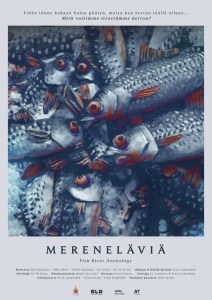
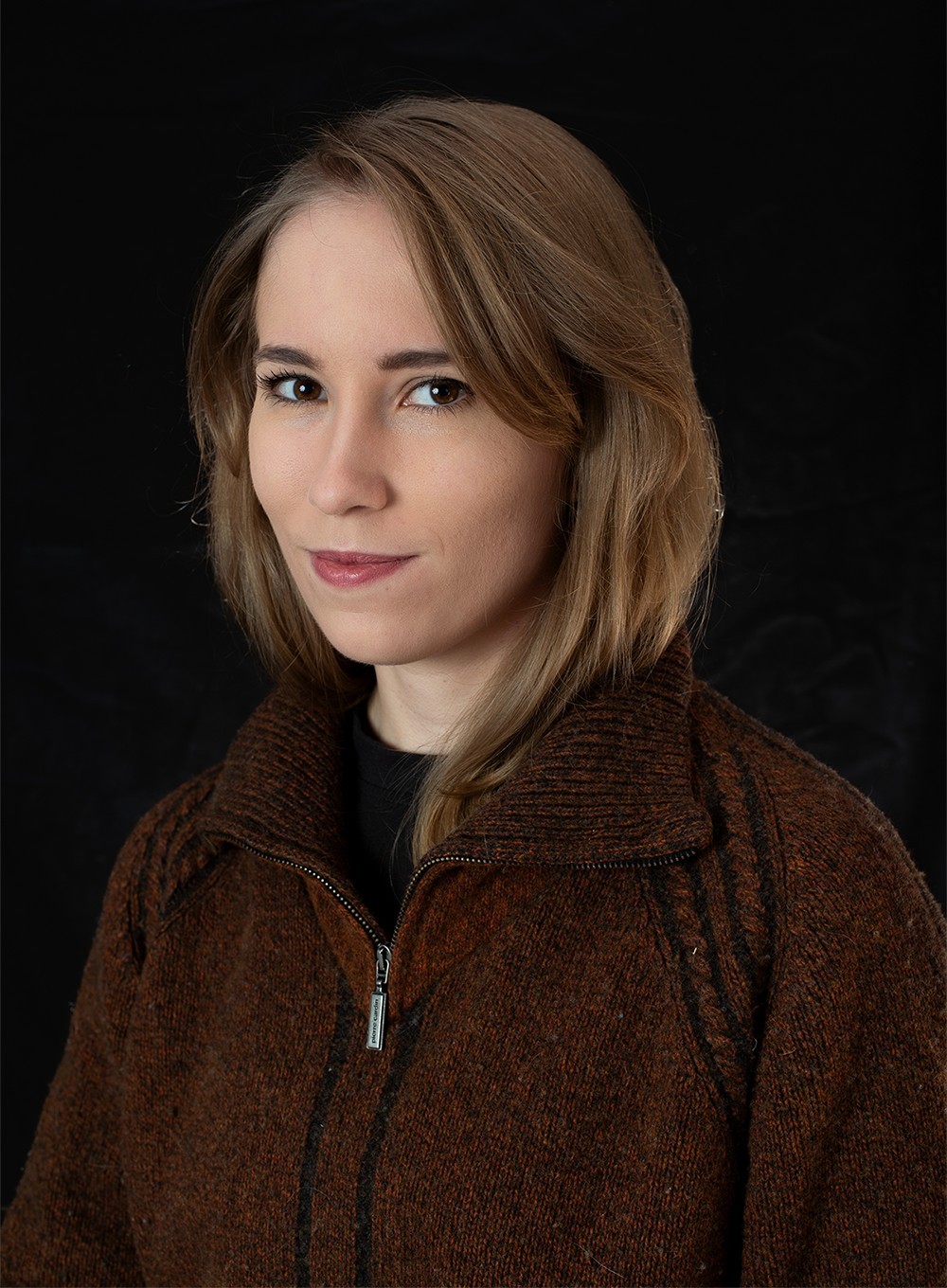 Interview: Im Gespräch mit der finnischen Regisseurin Veera Lamminpää konnten wir mehr über ihren Kurzfilm „Fish River Anthology“ (OT: „Mereneläviä“), der im Wettbewerb Umweltfilm des 41. Interfilm Berlin 2025 zu sehen war, erfahren, wie die eigene Ernährungsweise sie auch zu dem Film inspirierte und warum sie sich für ein Stop-Motion-Musical mit Fischen entschied.
The original english language interview is also available.
Wie ist die Idee zu dem Film entstanden? Isst Du selber gerne Fisch?
Das sind zwei interessante Fragen, die Du da gestellt hast, und sie sind sehr relevant für den Film. Ein wesentlicher Teil der Entstehung von „Fish River Anthology“ ist mein innerer Dialog über meine Essgewohnheiten. Ich habe vor über einem Jahrzehnt aufgehört, Fleisch zu essen, teils aus Umweltgründen, teils weil ich es für heuchlerisch hielt, Tiere zu essen, obwohl ich wusste, dass ich selbst nicht das Herz hätte, sie zu töten. Aber Fisch zu essen war für mich immer eine Grauzone – zu Hause esse ich keinen Fisch, aber um es meiner nicht-vegetarischen Familie leichter zu machen, esse ich ihn, wenn ich sie besuche. Es ist das einzige Tier, von dem ich mit Sicherheit weiß, dass ich es töten könnte, aber genau das hat mich auch gestört: Wie kann ich es rechtfertigen, Fisch zu essen, aber keine Kuh oder kein Schwein? Sind sie wirklich so unterschiedlich? Der Versuch, mich mit dieser Andersartigkeit und moralischen Widersprüchlichkeit auseinanderzusetzen, ist ein wichtiger Grund, warum ich diesen Film drehen wollte.
Warum hast Du Dich für ein Musical entschieden?
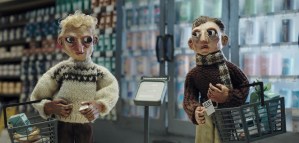 Ich komme ursprünglich aus dem Bereich des Realfilms, wollte aber schon seit langem einen Animationsfilm und ein Musical machen. Also habe ich beschlossen, beides zu kombinieren und ein animiertes Musical zu produzieren. Ich glaube jedenfalls nicht, dass es eine andere Möglichkeit gegeben hätte, diese spezielle Geschichte umzusetzen. Der Drehbuchprozess begann damit, dass ich die Dialoge der Figuren als Gedichte schrieb, sodass der lyrische Ton von Anfang an vorhanden war.
Die Songs sind großartig: Kann man sie auch außerhalb des Films irgendwo hören?
Derzeit gibt es keine Pläne, den Soundtrack des Films separat zu veröffentlichen, aber vielleicht irgendwann einmal! In der Zwischenzeit empfehle ich den Fans des Films, sich die Musik unserer Komponistin Iiti Yli-Harja anzuhören. Sie hat einen großartigen Instagram-Account namens whosagoodsong, auf dem sie individuelle Songs über die Haustiere von Menschen komponiert.
Nicht nur erzählst Du es als Musical, sondern hast Dich auch noch für Stop-Motion entschieden. Warum?
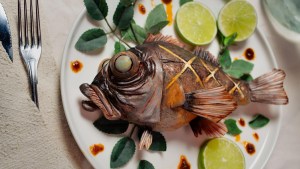 Ich habe schon früher als Hobby Miniaturen und Puppen gebaut, daher fühlte es sich sehr natürlich an. Ich war auch überrascht, wie leicht sich meine Erfahrungen aus großen Live-Action-Sets auf Stop-Motion übertragen ließen. Die Arbeit mit Miniaturen war in gewisser Weise sehr befreiend. Die von uns gewünschte Beleuchtung hätte auf einem normalen Filmset eine wahnsinnig teure Ausstattung erfordert, aber mit Miniaturen war sie mit nur einem ARRI SkyPanel, ein paar kleinen LED-Leuchten und einem winzigen Videoprojektor zu realisieren.
Was lag Dir bei der Umsetzungen der Puppen am Herzen? War es Dir wichtig, dass man auch erkennt, aus welchen Materialien sie geschaffen sind?
Die Herstellung von Puppen und Miniaturen erfordert viel handwerkliches Geschick, und das wollte ich in dem Film unbedingt hervorheben. Ich finde, dass die Würdigung unseres DIY-Geistes sehr gut zum Gesamttenor des Films passt. Es ist nicht perfekt, aber genau darum geht es ja.
Außerdem wollte ich so viele recycelte Materialien wie möglich verwenden, was bedeutete, dass ich hinsichtlich des Designs und der Materialien der Puppen, sogar hinsichtlich der genauen Farben, offen bleiben musste. Wir sammelten Baumaterialien aus anderen Filmen, nachdem diese abgedreht waren, und durchsuchten sogar Müllcontainer. Das war zwar nicht die schnellste oder einfachste Arbeitsweise, aber es war eine großartige Übung für die Fantasie und hat unglaublich viel Spaß gemacht.
Welche Filmschaffenden und Künstler haben Dich inspiriert?
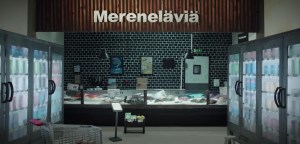 Der finnische Originaltitel des Films ist ein Wortspiel, das sich nicht gut ins Englische übersetzen lässt. Deshalb bezieht sich unser internationaler Titel auf eine meiner wichtigsten Inspirationsquellen, die „Spoon River Anthology“ von Edgar Lee Masters. Während ich schrieb, hörte ich auch viel Musik von Iiti Yli-Harja (unserem Komponisten) und Mika Rättö (der die Rolle der beiden Kakerlaken im Film singt), daher hatte ich das Glück, beide für mein Team gewinnen zu können.
Obwohl „Fish River Anthology“ visuell ganz anders ist, haben mich Takehide Horis „Junk Head“ und Phil Tippetts „Mad God“ sehr inspiriert. Zu sehen, welche großartigen Werke sie ohne traditionelle Finanzierung geschaffen haben, war wirklich ermutigend.
Kannst Du mir von Dir erzählen und wie Du zum Film gekommen bist?
Meine Eltern sind beide Lehrer – meine Mutter ist Historikerin und mein Vater Ingenieur –, daher war die Entscheidung für eine künstlerische Laufbahn nie naheliegend. Aber ich habe schon immer gerne geschrieben, gezeichnet und Musik gemacht. Als ich mich für einen Studiengang entscheiden musste, habe ich mich dann für eine Filmhochschule beworben, da man in den audiovisuellen Künsten sehr multidisziplinär arbeiten kann. Wenn ich nicht arbeite, spiele ich entweder Videospiele, bin im Garten oder in der Sauna.
Sind bereits neue Projekte geplant?
 Ich habe einen neuen Stop-Motion-Kurzfilm, den wir 2026 drehen wollen, mit dem Titel „Odd Birds“. Er spielt in einer Schule, in der ausgestopfte Vögel plötzlich in ihren Vitrinen zu singen beginnen und von ihren Erinnerungen an die Zeit erzählen, als sie noch in der Natur lebten… Und wie sehr diese Erfahrungen denen ähneln, die sie in der Schule gemacht haben. Der Film wird etwa 150 % funkiger als „Fish River Anthology“. Wem also dieser Film gefallen hat, dem empfehle ich in Zukunft nach „Odd Birds“ Ausschau zu halten.
Außerdem arbeite ich an einem Spielfilm, einer Mischung aus Stop-Motion und Live-Action, über Gartenarbeit und das Ende der Welt. Ich arbeite noch am Drehbuch, aber wenn wir es schaffen, wird es auch etwas ganz Besonderes werden.
Die Fragen stellte Doreen Kaltenecker
Übersetzung von Michael Kaltenecker
Lies auch die Rezension des Kurzfilms „Fish River Anthology“
Interview: In our conversation with Finnish director Veera Lamminpää, we learned more about her short film „Fish River Anthology“ (OT: „Mereneläviä“), which was screened in the environmental film competition at the 41st Interfilm Berlin 2025, how her own diet inspired her to make the film, and why she decided on a stop-motion musical featuring fish.
How did the idea for the film come about? Do you like eating fish yourself?
An interesting pair of questions you’ve put together, and very relevant to the film. A major part of „Fish River Anthologys“ inception is my own inner dialogue about my eating habits. I stopped eating meat over a decade ago, partly for environmental reasons and partly because I felt it was hypocritical of me to eat animals while knowing that I wouldn’t have the heart to kill them myself. But eating fish has been a grey area in my diet – I don’t eat fish at home, but to make it easier for my non-vegetarian family, I will eat it while visiting them. It is the only animal I know for certain I can kill, but that’s also something that has bothered me: how am I able to justify eating them but not a cow or a pig? Are they really that different? Trying to grapple with that otherness and moral contradiction is a big part of why I wanted to make this film.
Why did you decide to make a musical?
My background is in live-action filmmaking, but I had wanted to make an animated film for a long time, as well as a musical. So I decided to put two and two together and make an animated musical. In any case, I don’t think there would have been any other way to realize this particular story. The scripting process started with writing the characters’ dialogue as poems, so the lyrical tone was there from the very beginning.
The songs are great: Can we hear it anywhere outside of the film?
Currently there are no plans to release the film’s soundtrack separately, but maybe one day! In the meanwhile I recommend the fans of the film to listen to our composer Iiti Yli-Harja’s music. She has a magnificent Instagram called whosagoodsong where she makes custom songs about people’s pets.
Not only are you telling it as a musical, but you also decided to use stop-motion. Why?
I have built miniatures and puppets before as a hobby, so it felt very natural. I was also surprised by how easily my experiences from big live-action sets translated into stop-motion. Working with miniatures was really liberating in some ways. The type of lighting we wanted would have required an insanely expensive set-up on a regular film set, but with miniatures it was achieved with just one ARRI SkyPanel, a couple of small LED lights, and a tiny video projector.
What was important to you when creating the puppets? Was it important to you that the materials from which they were made were recognizable?
There’s a great amount of craftsmanship involved in making puppets and miniatures, and I really wanted to highlight that in the film. I think celebrating our DIY spirit ended up working very well with the film’s overall tone. It’s not perfect, but that’s the whole point.
I also wanted to use as many recycled materials as I could, which meant I had to keep an open mind regarding the puppets’ designs and materials, even exact colors. We collected building materials from other films after they wrapped, and even dumpster-dived. While not the fastest or easiest way of working, it was a great exercise for the imagination and fun as hell.
Which filmmakers and artists inspired you?
The film’s original Finnish title is a pun that does not translate well into English, so instead our international title refers to one of my main inspirations, „Spoon River Anthology“ by Edgar Lee Masters. While writing, I also listened to a lot of music by Iiti Yli-Harja (our composer) and Mika Rättö (who sings the role of the two Roaches in the film), so I was lucky to get them both on the crew.
While „Fish River Anthology“ is visually very different, I was really inspired by Takehide Hori’s „Junk Head“ and Phil Tippett’s „Mad God“. Seeing the amazing works they had created without traditional funding was really encouraging.
Can you tell me about yourself and how you came to film?
Both of my parents are teachers – my mom is a historian and my dad is an engineer – so choosing to go into the arts was never an obvious choice. But I have always loved writing, drawing, and playing music, so when I had to choose where to study, I decided to apply to film school, as the audiovisual arts allow you to be quite multidisciplinary. When I’m not working, I’m either playing video games, in the garden, or in the sauna.
Are there any new projects planned?
I have a new stop-motion short film we’re planning to shoot in 2026, called „Odd Birds“. It’s set in a school where taxidermied birds suddenly begin to sing in their display cabinets, recounting their memories of the time they still lived in nature… And how close those experiences are to what they’ve witnessed within the school. It’s going to be about 150% funkier than „Fish River Anthology„, so if you liked that one, I recommend keeping your eyes open for „Odd Birds“ in the future.
I’m also working on a feature, which would be a stop-motion and live-action hybrid film about gardening and the end of the world. I’m still working on the script, but it’s also going to be quite something if we end up getting it done.
Questions asked by Doreen Kaltenecker
Read on the german review of the short film „Fish River Anthology„