
Studium der Kunstgeschichte - Schwerpunkt: Filmgeschichte
(Abschluss 2010 mit der Arbeit "Rembrandt im Spielfilm")
Nebenfächer: Philosophie und Alte Geschichte
- seit 2012: Filmkritikerin bei movieworlds (Kino, DVD, BD, Festivalberichte)
- seit 2015: Blog 'Testkammer' online
- Jetzt in der Mediathek! – Der Film „Close to September“ - 6. September 2026
- Kinostarts 03.09.2026 - 2. September 2026
- Jetzt online! – Der Film „I am Superman“ - 30. August 2026
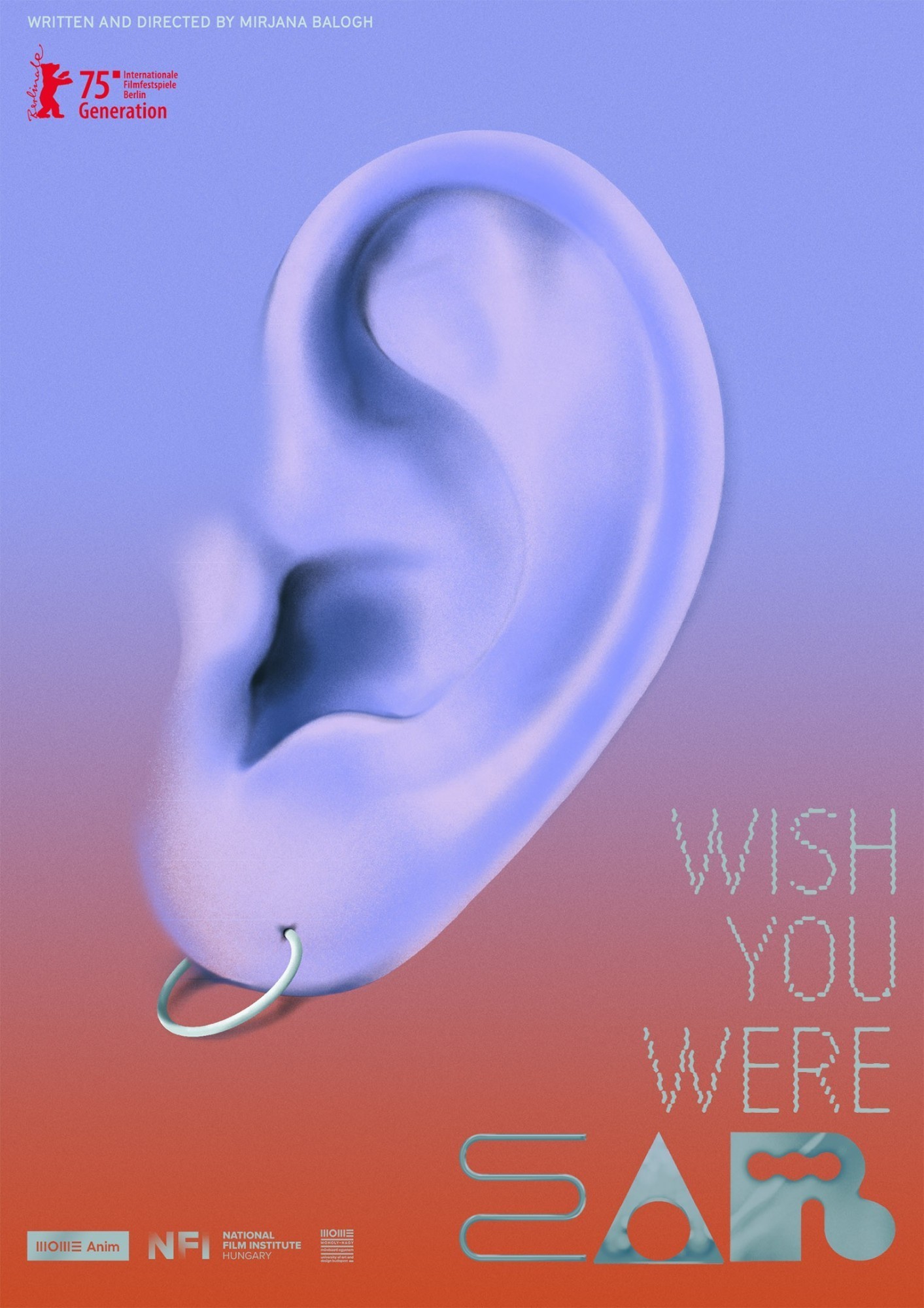
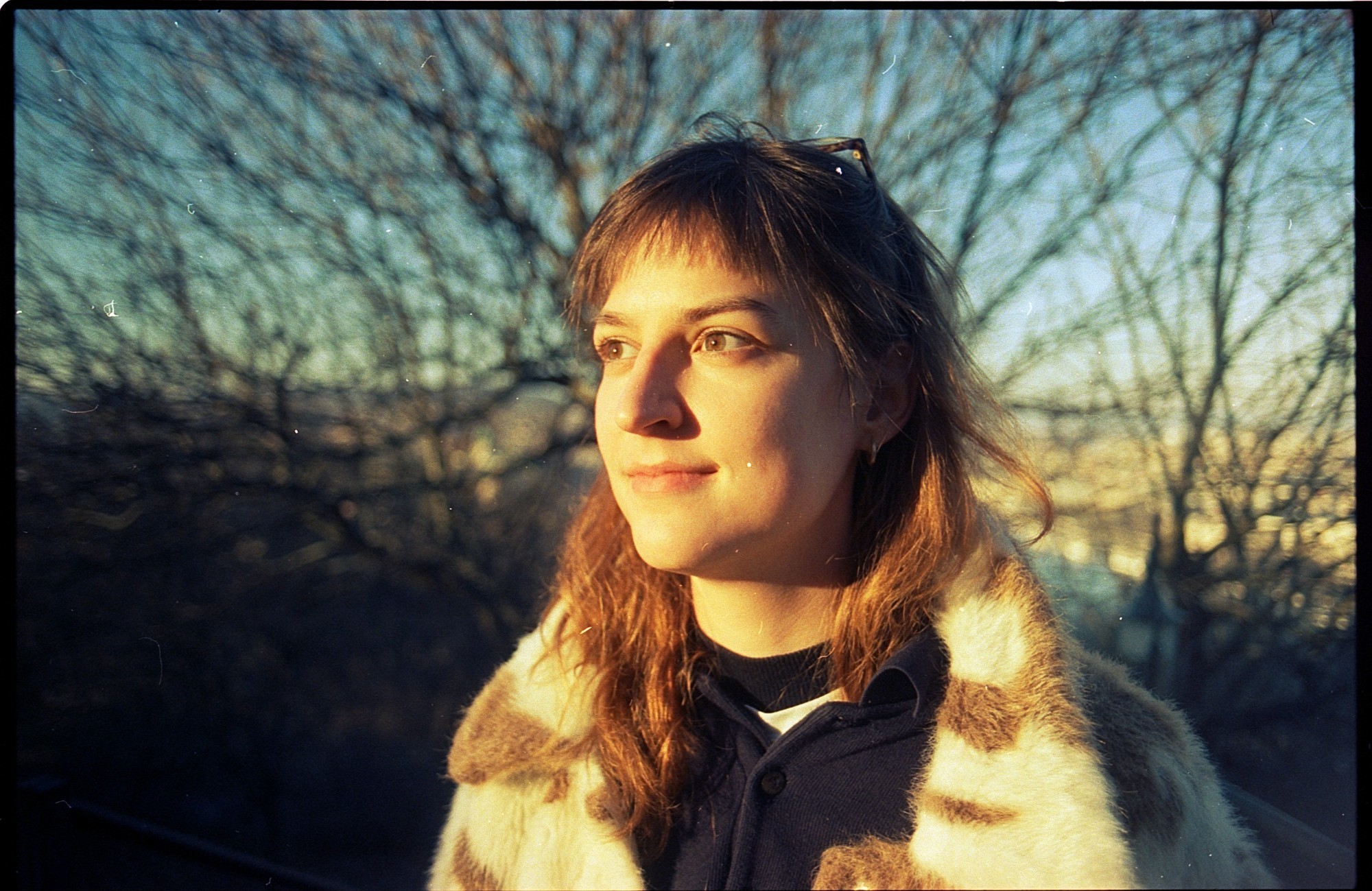 Interview: Im Gespräch mit der ungarischen Filmemacherin und Grafikdesignerin Mirjana Balogh konnten wir mehr über ihren Kurzfilm „Wish you were Ear“ erfahren, u.a. zu sehen auf der 75. Berlinale 2025 und dem 26. Landshuter Kurzfilmfestival 2026, wie sie selbst zum Animationsfilm kam und wie es war, ihren ersten Film dieser Art zu realisieren.
The original english language interview is also available.
Wie ist die Idee zu Deinem Kurzfilm entstanden?
Dieser Film wurde schließlich zu meinem Abschlussprojekt, aber eigentlich begann alles als einfache Studiumsprojekt. Während meines Masterstudiums an der MOME [Moholy-Nagy Universität für Kunst und Design] in Budapest hatten wir einen Kurs zum kreativen Schreiben, in dem wir ein Zitat erhielten und darauf basierend eine Geschichte schreiben sollten. Das Zitat lautete: „Leih dich anderen, aber schenke dich dir selbst.“
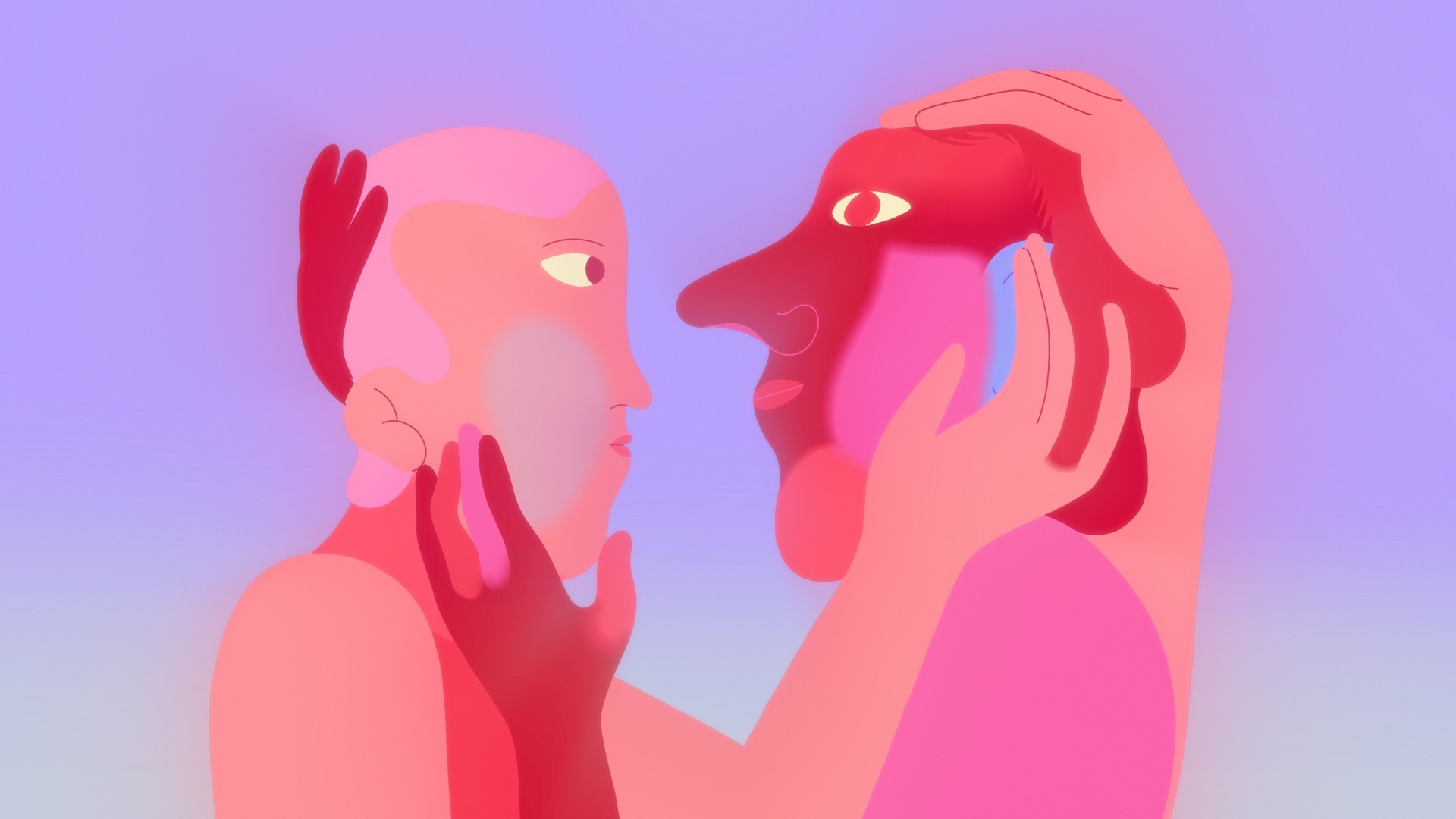 Um ehrlich zu sein, fand ich das total klischeehaft und wollte eigentlich gar keine solche Geschichte schreiben. Stattdessen begann ich darüber nachzudenken, wie ich etwas ganz anderes daraus machen könnte. Da kam mir diese Idee: Eine Welt, in der Menschen buchstäblich Teile von sich selbst abgeben müssen.
Der erste Entwurf unterschied sich wirklich sehr stark vom fertigen Film, und im Laufe der Zeit änderte sich fast alles, bis auf dieses zentrale Konzept. Während ich das Drehbuch entwickelte, formte ich es zu einer Geschichte, die die Themen widerspiegelte, die mich wirklich interessierten. Schließlich wurde mir klar, dass ich einen Film darüber machen wollte, wie Beziehungen und Trennungen uns verändern und wie wir lernen, diese Veränderungen als Teil unseres Lebens zu akzeptieren.
In welchem Rahmen und über welchen Zeitraum konntest Du deinen Film realisieren?
Wie bereits erwähnt, war dies mein Abschlussfilm. Glücklicherweise haben wir an der MOME die Möglichkeit, Produktionsmittel beim Ungarischen Nationalen Filminstitut zu beantragen. Es dauerte ziemlich lange, bis ich die Förderung erhielt und endlich richtig mit der Produktion beginnen konnte. Bis dahin arbeitete ich alleine an dem Projekt und beriet mich ständig mit meinen Lehrern.
Sobald die Förderung einging, konnte ich mit einem Team zusammenarbeiten. Ehrlich gesagt glaube ich nicht, dass ich den Film ohne sie hätte fertigstellen können. Vor diesem Projekt hatte ich fast keine Erfahrung mit der Erstellung von Animationsfilmen, daher war es für mich unerlässlich, mit professionellen Animatoren zusammenzuarbeiten. Ich hatte unglaubliches Glück, dass mich ein so wunderbares Team bei diesem Film unterstützt hat.
Es ist schwer zu sagen, wie lange die Produktion des Films genau gedauert hat. Die Produktion selbst dauerte etwa ein Jahr, aber vom ersten Konzept bis zum Produktionsstart vergingen noch einmal etwa zwei Jahre. Rückblickend war dieser Film fast drei Jahre lang ein großer Teil meines Lebens.
Kannst Du mir zu deinen Animationen, deren Stil und Umsetzung erzählen?
 Vor diesem Film hatte ich nur sehr wenig Erfahrung mit Animation, eigentlich fast gar keine. Aus diesem Grund war die Animation sowohl einer der anspruchsvollsten als auch einer der spannendsten Aspekte der Produktion.
Ich hatte die Gelegenheit, mit vielen talentierten Menschen zusammenzuarbeiten, darunter Kitti Teleki, die während des gesamten Projekts als Animationsleiterin tätig war. Sie war mir eine enorme Hilfe, besonders in Bereichen, in denen mir Erfahrung fehlte.
Wir erstellten ein Produktionshandbuch und entwickelten eine ziemlich klare Vorstellung davon, wie sich die Bewegungen im gesamten Film anfühlen sollten. Immer wenn eine Szene in die Animationsphase ging, teilte ich diese Ideen dem daran arbeitenden Animator mit.
Einer meiner Lieblingsmomente während der Produktion war es, eine fertige Szene zu erhalten und zu sehen, wie sich eine Figur tatsächlich so bewegte, wie ich es mir vorgestellt hatte.
Es gab auch Phasen, in denen wir nicht genügend Animatoren zur Verfügung hatten und ich selbst animieren musste. Ursprünglich hatte ich geplant, alle Hintergründe und einen Teil der Layouts zu erstellen, daher lag die Animation definitiv außerhalb meiner Komfortzone. Es war eine große Herausforderung, aber ich habe viel daraus gelernt.
Würdest Du sagen, du hast deinen eigenen Stil gefunden?
In gewisser Weise, ja. Im Laufe der Jahre habe ich eine Bildsprache entwickelt, die, wie ich finde, unverkennbar meine eigene ist. Gleichzeitig habe ich aber auch das Gefühl, dass sich mein Stil ständig verändert oder weiterentwickelt – das hoffe ich zumindest.
 Zum Beispiel habe ich einige der Hintergründe, die ich zu Beginn der Produktion entworfen hatte, schließlich neu gezeichnet, weil sie mir gegen Ende der Arbeit nicht mehr gefielen. Und wenn ich mir heute den fertigen Film ansehe, habe ich meistens das Gefühl, dass ich das meiste besser machen könnte.
Ich denke also, dass sich meine Arbeit ständig verändert (und hoffentlich verbessert), aber nicht so drastisch, dass mein nächstes Projekt völlig anders aussehen wird. Es ist eher ein Prozess der Verfeinerung und Feinabstimmung als eine radikale Umgestaltung.
Dein Film ist ohne Worte – umso wichtiger ist das Sounddesign und die Musik. Kannst Du mir mehr dazu sagen und was Du da Wert gelegt hast?
Ja, von Anfang an war mir klar, dass ich keine Dialoge in dem Film haben wollte. Zum einen, weil ich es ziemlich schwierig finde, Dialoge zu schreiben, zum anderen aber auch, weil ich schon immer Animationsfilme geliebt habe, die ihre Geschichten ohne Worte erzählen.
Außerdem hatte ich das Gefühl, dass Dialoge einfach nicht zu dieser Geschichte passen würden. Ich meine, was sollten die Figuren denn sagen? „Hey, ist das da drüben mein Ohr?“
Aus diesem Grund wurden Ton und Musik sehr wichtig. Beides wurde von József Iszlai komponiert, und die Zusammenarbeit mit ihm war eine wunderbare Erfahrung. Er hat sehr gut verstanden, was ich hören wollte.
Ich stellte mir eine Klanglandschaft vor, die, ähnlich wie die visuelle Welt des Films, organische, körperliche Elemente mit mechanischen verbindet. Ich finde, Józsi hat das sehr gut eingefangen. Ich liebe die Sammlung aus Knistern, Pieptönen und subtilen elektronischen Klängen, die die Klangtextur des Films ausmachen. Zusammen haben sie uns geholfen, die Welt des Films zu erschaffen.
Kannst Du mir am Schluss noch ein bisschen mehr von Dir erzählen und wie Du zum Film gekommen bist?
Ich habe ursprünglich Grafikdesign studiert und arbeite auch heute noch als Grafikdesignerin. Die Illustration war mir jedoch schon immer am meisten am Herzen gelegen, und glücklicherweise hatte ich in letzter Zeit die Gelegenheit, an vielen Illustrationsprojekten zu arbeiten.
 Auch Comics und Zines liegen mir sehr am Herzen. Als eine der Organisatorinnen des Budapest Ukmukfukk Zine Festivals verbringe ich viel Zeit mit dieser Community und diesem Medium.
Obwohl ich Standbilder und die Art des visuellen Erzählens, die sie ermöglichen, wirklich liebe, war Animation für mich schon immer das ultimative Medium. Lange Zeit war es etwas, von dem ich nur träumen konnte.
Als es an der Zeit war, mich für einen Masterstudiengang zu bewerben, beschloss ich, das Risiko einzugehen und mich bei der Animationsabteilung zu bewerben. Zu meiner großen Überraschung wurde ich angenommen, und plötzlich eröffnete sich mir eine völlig neue Welt. Seitdem versuche ich, so tief wie möglich darin einzutauchen.
Derzeit arbeite ich auch viel an Titelgestaltungen und Filmplakaten, was mir sehr viel Spaß macht, da es Grafikdesign mit Filmemachen verbindet. In gewisser Weise vereint es die beiden Dinge, die ich am meisten liebe.
Sind bereits neue Projekte geplant?
Das ist definitiv geplant, ob es auch wirklich dazu kommt, ist eine andere Frage.
Im letzten Jahr habe ich viel Zeit damit verbracht, zu Festivals zu reisen, und gleichzeitig habe ich an vielen spannenden Auftragsprojekten gearbeitet. Dazwischen hatte ich einfach weder die Zeit noch die Energie, etwas anderes zu tun.
Um ehrlich zu sein, habe ich auch so lange an diesem Projekt gearbeitet, dass es gut tat, eine Pause einzulegen und mich eine Weile auf andere Dinge zu konzentrieren. Aber seit kurzem verspüre ich wieder den Drang, etwas Neues zu schaffen, daher hoffe ich, dass es nur eine Frage der Zeit ist, bis ich mit dem nächsten Projekt beginne.
Die Fragen stellte Doreen Kaltenecker
Übersetzung von Michael Kaltenecker
Lies auch die Rezension des Kurzfilms „Wish you were Ear“
Interview: In our conversation with Hungarian filmmaker and graphic designer Mirjana Balogh, we learned more about her short film “Wish you were Ear”—which will be screened at the 75th Berlinale in 2025 and the 26th Landshut Short Film Festival in 2026, among other venues—as well as how she got into animated film and what it was like to make her first film of this kind.
This film eventually became my graduation project, but it actually started as a simple school assignment. During my Master’s studies at MOME Budapest, we had a creative writing class where we were given a quote and had to write a story based on it. The quote was: „Lend yourself to others, but give yourself to yourself.“
To be honest, I felt it was such a cliché, and I really didn’t want to write a story like this. Instead, I started thinking about how I could do something completely different with it. That’s when this idea came to me: a world where people literally have to give parts of themselves away.
The first draft was really-really different from the finished film, and almost everything changed over time except for that central concept. As I developed the screenplay, I shaped it into a story that reflected the themes I was genuinely interested in. Eventually, I realized I wanted to make a film about how relationships and breakups change us, and how we learn to accept those changes as part of our lives.
Under what conditions and over what period of time were you able to make your film?
As I mentioned, this was my graduation film. Fortunately, at MOME we have the opportunity to apply for production funding from the National Film Institute Hungary. It took quite a long time before I received the funding and could finally begin production properly. Until then, I was working on the project by myself and consulted with my teachers constantly.
Once the funding arrived, I was able to work with a crew. Honestly, I don’t think I could have finished the film without them. Before this project, I had almost no experience making animation, so it was essential for me to work with professional animators. I was incredibly lucky to have such a wonderful crew supporting the film.
It’s hard to say exactly how long the film took to make. The production itself took about a year, but getting from the initial idea to the start of production took another two years or so. Looking back, this film was a huge part of my life for nearly three years.
Can you tell me about your animation, its style, and how you brought it to life?
Before this film, I had very little experience with animation, almost none, really. Because of that, animation was both one of the most challenging and one of the most exciting aspects of the production.
I had the chance to work with many talented people, including Kitti Teleki, who worked as the animation supervisor throughout the project. She was an enormous help, especially in areas where I lacked experience.
We created a production handbook and established a fairly clear vision for how movement should feel throughout the film. Whenever a scene entered animation, I would communicate these ideas to the animator working on it.
One of my favourite moments during production was receiving a finished scene and seeing a character actually move the way I had imagined.
There were also periods when we didn’t have enough animators available, and I had to animate myself. I originally planned to do all the backgrounds and some of the layouts, so animation was definitely outside my comfort zone. It was a major challenge, but I learned a lot from it.
Would you say you’ve found your own style?
In some ways, yes. Over the years I’ve developed a visual language that feels recognisably mine, I think. At the same time, I also feel that my style is constantly changing or evolving, I hope.
For example, I ended up redrawing some of the backgrounds I had created at the beginning of production because by the time we were nearing completion, I no longer liked them. And now, when I watch the finished film, I usually feel that I could do most things better.
So I think my work is always changing, (hopefully improving) but not so drastically that my next project will look completely different. It’s more a process of refinement and fine-tuning than radical transformation.
Your film has no dialogue, which makes the sound design and music all the more important. Can you tell me more about that and what you prioritised?
Yes, from the very beginning I knew I didn’t want any dialogue in the film. Partly because I find writing dialogue quite difficult, but also because I’ve always loved animated films that tell their stories without words.
I also felt that dialogue simply wouldn’t fit this story. I mean, what would the characters say? „Hey, that’s my ear over there?“
Because of that, sound and music became very important. Both were created by József Iszlai, and working with him was a wonderful experience. He understood very well what I wanted to hear.
I imagined a soundscape that, much like the visual world of the film, blends organic, bodily elements with mechanical ones. I think Józsi captured that very well. I really love the collection of crackles, beeps, and subtle electronic sounds that make up the film’s sonic texture. Together, they helped us build the world of the film.
I originally studied graphic design and still work as a graphic designer today. However, illustration has always been the area closest to my heart, and fortunately I’ve had the opportunity to work on many illustration projects recently.
Comics and zines are also very close to my heart. As one of the organisers of the Budapest Ukmukfukk Zine Festival, I spend a lot of time with that community and medium as well.
Although I genuinely love still images and the kinds of visual storytelling they allow, animation has always felt like the ultimate medium to me. For a long time, it was something I only dreamed about doing.
When it came time to apply for a Master’s programme, I decided to take a chance and apply to the animation department. To my great surprise, I was accepted, and suddenly an entirely new world opened up in front of me. Since then, I’ve been trying to immerse myself in it as deeply as possible.
These days, I also do a lot of title design and film poster work, which I really enjoy because it combines graphic design with filmmaking. In a way, it brings together the two things I love most.
Do you have any new projects planned?
Definitely planned, whether they’ll become reality is another question.
Over the past year, I’ve spent a lot of time travelling to festivals, and at the same time I’ve worked on many exciting commissioned projects. Between those, I simply haven’t had the time and energy to do anything else.
To be honest, I also spent such a long time working on this project that it felt good to take a break and focus on other things for a while. But recently I’ve started feeling the urge to create something new again, so I hope it’s only a matter of time before I begin working on the next project.
Questions asked by Doreen Kaltenecker
Read on the german review of the short film „Wish you were Ear„