
Studium der Kunstgeschichte - Schwerpunkt: Filmgeschichte
(Abschluss 2010 mit der Arbeit "Rembrandt im Spielfilm")
Nebenfächer: Philosophie und Alte Geschichte
- seit 2012: Filmkritikerin bei movieworlds (Kino, DVD, BD, Festivalberichte)
- seit 2015: Blog 'Testkammer' online
- Kinostarts 29.10.2026 - 28. Oktober 2026
- „By Any Means“ (2026) - 27. Oktober 2026
- Jetzt in der Mediathek! – Der Film „The Good Woman“ - 25. Oktober 2026
 Interview: Im Gespräch mit dem estnischen Regisseur Oskar Lehemaa konnten wir mehr über seinen Kurzfilm „The Mystery of Missing Socks“ (OT: „Kadunud sokid“) erfahren, der im Kinderprogramm des 36. Filmfest Dresden 2024 lief, wie er vom Horrorfilm zum Stop-Motion-Film kam, woher die Idee zu seinem Socken-Film stammt und wie er die Geschichte voller Zitate zum Leben erweckte.
The original english language interview is also available.
Wie ist die Idee zu Deinem Kurzfilm entstanden?
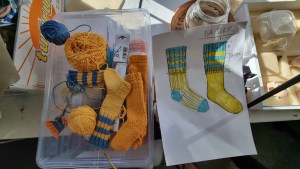
 Die Produzentin Kristel Tõldsepp hatte die großartige Idee, Animationen auf der Grundlage der Kurzgeschichten des estnischen Schriftstellers Andrus Kivirähk zu erstellen. Ich wurde zu dem Projekt eingeladen und durfte mir meine Lieblings-Kindergeschichte von Kivirähk aussuchen, die ich dann in einer Animation umsetzen konnte. Ich habe mich für die Geschichte „Vaters Socken“ entschieden, weil sie die witzige zentrale Idee hatte, dass Socken ein Ei legen. Außerdem stand eine wirklich herzliche Familiendynamik im Mittelpunkt. Die Originalgeschichte ist nur zwei Seiten lang, also war es meine Aufgabe, die Welt der Geschichte auszubauen und lustige Figuren hinzuzufügen.
Der Film ist so reich an Zitaten, welche vor allem Erwachsene verstehen, und gleichzeitig spricht er auch ein sehr junges Publikum an. Wie wichtig war es Dir, dort die Balance zu wahren?
 Für mich ist es sehr wichtig, dieses Gleichgewicht aufrechtzuerhalten, denn viele Kinder sehen sich den Film zusammen mit ihren Eltern an, entweder zu Hause oder im Kino. Ich möchte also, dass sowohl die Kinder als auch die Eltern eine gute Zeit mit meinem Film haben. Aber dieses Gleichgewicht zu erreichen, war ganz natürlich, denn ich bin selbst ein großes Kind, und ich habe versucht, einen Film zu machen, der mir selbst Spaß macht.
Kannst Du mir noch ein bisschen mehr von den Vorbildern und auch Genre erzählen, die diesen Film mit geformt haben?
 Seit meiner Kindheit bin ich ein großer Fan der „Wallace und Gromit“-Animationsfilme, wegen ihres trockenen Humors, der großartigen Charaktere und der überragenden visuellen Erzählweise. Ich habe viel über diese Filme nachgedacht, als ich „The Mystery of Missing Socks“ gemacht habe. Ich bin auch ein Fan von Genrefilmen, insbesondere von Action- und Horrorfilmen. Im Geiste dieser Genres habe ich versucht, Momente des Gruselns, der Spannung und der Action in die Geschichte einzubauen, damit sie sich ein bisschen wie eine Achterbahn anfühlt.
Erzähl mir bitte etwas mehr zu den Animationen: Wie habt ihr diese geschaffen? Wie lange hat die Realisierung gedauert?
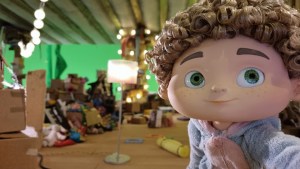
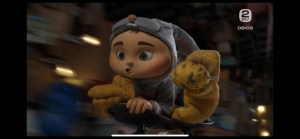
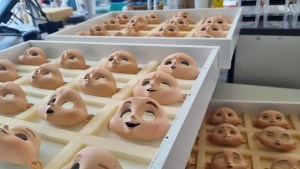 Die gesamte Produktionszeit von „The Mystery of Missing Socks“ betrug etwa ein Jahr, und etwa die Hälfte davon verbrachten wir mit der Animation. Von der Technik her ist der Film eine Stop-Motion-Animation. Das schwierigste technische Element des Films war die Gestaltung der Gesichter der menschlichen Figuren. Ich wollte, dass sie wirklich ausdrucksstarke Gesichter haben, und um das in Stop-Motion zu erreichen, haben wir uns für eine Technik entschieden, die sich Replacement Animation nennt. Das bedeutet im Wesentlichen, dass für jede Veränderung im Gesicht der Figur (z. B. Bewegung der Lippen, Anheben der Augenbrauen usw.) das Gesicht der Puppe ersetzt werden muss. Durch die Animation der sich schnell verändernden Gesichter entsteht die Illusion eines ausdrucksstarken, sich bewegenden Gesichts. Es war das erste Mal in der estnischen Animationsgeschichte, dass die Ersatzanimation in so großem Umfang eingesetzt wurde.
Für die Hauptfigur Pille haben wir über 220 verschiedene Gesichter digital modelliert und 3D-gedruckt. Diese wurden dann alle einzeln von Hand bemalt, bis hin zu jeder einzelnen Sommersprosse. Das war ein sehr arbeitsintensiver und zeitaufwändiger Prozess. Aber zum Glück hatten wir ein wirklich talentiertes und professionelles Team, das an dem Film gearbeitet hat, und das hat es geschafft!
Was war Dir auf visueller Ebene wichtig? Und wie hast Du Deinen Stil gefunden?
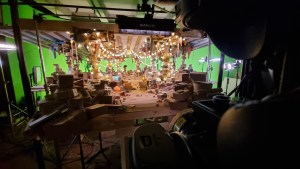
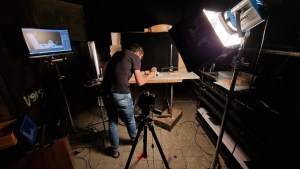
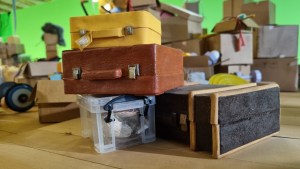 Wir haben versucht, eine wirklich große und detaillierte Welt zu schaffen, in die der Zuschauer eintauchen kann. Ich wollte, dass der visuelle Stil filmisch ist, inspiriert von den Animations- und Live-Action-Filmen, die ich als Kind genossen habe. Obwohl die Geschichte in einem kleinen Zimmer beginnt, wollte ich, dass sich das Abenteuer wirklich groß anfühlt. Um dies zu erreichen, baute unser Produktionsdesignteam (unter der Leitung von Ivika Luisk) große, aufwendige Kulissen aus Hunderten von kleinen Kisten, Spielzeugen und anderen Gegenständen. Das Ganze wurde von unserem talentierten Kameramann Raivo Möllits fotografiert, der die technisch schwierigen Kamerabewegungen und Blitzeinstellungen entwarf.
Was lag Dir bei der Synchronisation am Herzen?
 Obwohl es sich um eine verrückte Abenteuergeschichte handelt, wollte ich dennoch, dass die Hauptfiguren real und glaubwürdig klingen. Glücklicherweise habe ich die Hauptdarstellerin Vega Freya Luus ein paar Jahre zuvor kennengelernt, als ich bei einer lokalen Fernsehwerbung Regie führte. Sie ist ein sehr verspieltes und talentiertes Kind, und wir waren begeistert, dass sie zugestimmt hat, Pille ihre Stimme zu leihen. Wir haben drei Sprachaufnahmen mit Vega Freya gemacht. Diese machten Spaß, waren aber auch eine ziemliche Herausforderung, da sie der jungen Schauspielerin so viele verschiedene Emotionen abverlangten, von Weinen über Lachen bis hin zu lautem Schreien.
Während der Sitzungen haben wir die ganze Zeit aufgenommen, auch wenn Vega Freya ihren Text nicht vortrug. Auf diese Weise konnten wir Momente einfangen, in denen sie dumme Witze macht, vor sich hin murmelt und wirklich lacht und Spaß hat. Wir haben viele dieser kleinen Momente im eigentlichen Film verwendet, und ich denke, das macht die Figur insgesamt lebendiger und natürlicher. Die anderen Figuren wurden von professionellen Schauspielern gesprochen, und ich hatte sogar ein bisschen Spaß in der Aufnahmekabine (ich spreche den Staubsauger und die Socken!).
Kannst Du mir noch ein bisschen von Dir erzählen und wie Du zum Film gekommen bist?
 Ich bin Regisseur in Estland und arbeite sowohl mit Animations- als auch mit Realfilmen. Als Kind hatte ich eine rege Fantasie und liebte Filme. Als Teenager fing ich an, kleine Kurzfilme zu drehen und wollte Regisseur werden. Nach der High School studierte ich Audiovisuelle Medien an der Baltic Film, Media and Arts School. Nach und nach arbeitete ich mich an die Regie von Werbespots heran, bis ich schließlich meinen ersten professionellen Kurzfilm „Bad Hair“ drehte, einen ziemlich blutigen und albernen Horrorfilm. Zum Animationsfilm kam ich fast zufällig – mein Freund und Kollege Mikk Mägi lud mich ein, bei dem abendfüllenden Stop-Motion-Animationsfilm „The Old Man Movie“ mitzuschreiben und mitzuregieren. Seitdem hat mich das Stop-Motion-Fieber gepackt! Das ist der Grund, warum ich mich mit Freude auf „The Mystery of Missing Socks“ gestürzt habe!
Sind bereits neue Projekte geplant?
 Obwohl ich Animationsfilme liebe, sind meine nächsten Projekte Live-Action-Filme, und sie sind ziemlich ernst – dieses Mal nicht für Kinder. Schließlich bin ich ein Horrorfan. Aber ich bin sicher, dass ich bald wieder zu Animationsfilmen zurückkehren und vielleicht sogar einen weiteren lustigen Film für Kinder machen werde, wer weiß!
Die Fragen stellte Doreen Kaltenecker
Übersetzung von Michael Kaltenecker
Lies auch die Rezension des Kurzfilms „The Mystery of Missing Socks“
Interview: In our conversation with Estonian director Oskar Lehemaa, we learned more about his short film „The Mystery of Missing Socks“ (OT: „Kadunud sokid“), which screened in the children’s program of the 36th Filmfest Dresden 2024, how he went from horror film to stop-motion film, where the idea for his sock film came from and how he brought the story full of quotes to life.
How did the idea for your short film come about?
Producer Kristel Tõldsepp had the great idea to create animations based on the short stories of Estonian writer Andrus Kivirähk. I was invited onto the project and got to pick out my favorite Kivirähk childrens‘ story, which I could then adapt into an animation. I picked the story called „Father’s Socks“, because it had the funny central idea of socks laying an egg. Also, it had a really warm family dynamic at its center. The original story is just 2 pages long, so from there, it was my job to build out the story world and add fun characters.
The film is so rich in quotes that adults in particular understand, and at the same time it appeals to a very young audience. How important was it for you to maintain a balance?
To me maintaining that balance is quite important because a lot of children watch the film with their parents, either at home or at the cinema. So I’d like both the children and the parents to have a good time with my film. But achieving that balance came quite naturally, since I am pretty much just a big child, and I tried to make a film that I would enjoy myself.
Can you tell me a bit more about the role models and genres that helped shape this movie?
Since childhood I’ve been a big fan of the Wallace and Gromit animations, because of their dry humor, great characters and supreme visual storytelling. I thought about those films a lot while making „The Mystery of Missing Socks„. I’m also a fan of genre films, particularly action and horror films. In the spirit of those genres, I tried to create moments of creepiness, suspense and action in the story, so it would feel a bit like a fun rollercoaster.
Please tell me a bit more about the animations: How did you create them? How long did it take to realize them?
The total production period on „The Mystery of Missing Socks“ was around one year, and about half of that we spent animating. In terms of technique, the film is a stop motion animation. The most difficult technical element of the film was creating the faces of the human characters. I wanted them to have really expressive faces, and to achieve that in stop motion, we decided to use a technique called replacement animation. This essentially means that for every shift in the character’s face (i.e lips moving, eyebrows raising etc.), you have to replace the face of the puppet. Through animation the rapidly changing faces create the illusion of an expressive moving face. It was the first time in Estonian animation history that replacement animation was used on such a big scale.
For the main character Pille, we digitally modeled and 3D-printed over 220 different faces. These were then all individually hand painted, down to every last freckle. It was a super labor intensive and time consuming process. But luckily we had a really talented and professional team working on the film, who managed to pull it off!
What was important to you on a visual level? And how did you find your style?
We tried to create a really vast and detailed world which would immerse the audience. I wanted the visual style to be cinematic, inspired by the animations and live action films that I enjoyed as a kid. Although the story starts out in a small bedroom, I wanted the adventure to feel really big. To achieve this, our production design team (led by Ivika Luisk) built large elaborate sets made out of hundreds of tiny boxes, toys and other objects. The whole thing was photographed by our talented cinematographer Raivo Möllits, who designed the technically difficult camera moves and lightning setups.
What was important to you in the voiceover?
Although it is a crazy adventure story, I still wanted the main characters to sound real and relatable. Luckily I had met the main voice actress Vega Freya Luus a few years earlier, when I directed her in a local TV commercial. She’s a very playful and talented kid, we were thrilled she agreed to lend her voice to Pille. We did three voice recording sessions with Vega Freya. These were fun but also quite challenging, since they demanded so many different emotions from the young actress, from crying and laughing to shouting at the top of her lungs.
During the sessions we kept recording all the time, even when Vega Freya was not performing her lines. This way we managed to capture moments of her making silly jokes, mumbling to herself and genuinely laughing and having fun. We used many of these little moments in the actual film, and I think it makes the overall character more alive and natural. The other characters were voiced by professional actors and even I got to have a bit of fun in the recording booth (I play the vacuum cleaner and the socks!).
Can you tell me a bit more about yourself and how you came to making films?
I’m a director in Estonia and I work with both animation and live action. As a kid I had an active imagination and loved films. As a teenager I started doing little short films and set my mind on becoming a director. After high school I studied Audiovisual Media at the Baltic Film, Media and Arts School. I gradually worked my way up to directing commercials, until I finally made my first professional short film „Bad Hair“, which is a pretty gory and silly horror film. I fell into animation almost by accident – my friend and colleague Mikk Mägi invited me to co-write and co-direct the feature-length stop motion animation „The Old Man Movie“. Since then I have had the stop motion bug! That’s the reason I happily jumped into „The Mystery of Missing Socks„!
Are there any new projects planned?
Although I love animation, my next projects are live action films, and they are quite serious – not for kids‘ this time. I am a horror fan after all. But I’m sure I will return to animation soon and maybe even make another fun film for children, who knows!
Questions asked by Doreen Kaltenecker
Read on the german review of the short film „The Mystery of Missing Socks„