
Studium der Kunstgeschichte - Schwerpunkt: Filmgeschichte
(Abschluss 2010 mit der Arbeit "Rembrandt im Spielfilm")
Nebenfächer: Philosophie und Alte Geschichte
- seit 2012: Filmkritikerin bei movieworlds (Kino, DVD, BD, Festivalberichte)
- seit 2015: Blog 'Testkammer' online
- „By Any Means“ (2026) - 27. Oktober 2026
- Jetzt in der Mediathek! – Der Film „The Good Woman“ - 25. Oktober 2026
- „Our Girls“ (2025) - 22. Oktober 2026
 Diego Castro
 Interview: Im Gespräch mit der niederländischen Regisseurin und Animationskünstlerin Naomi Noir konnten wir mehr über ihren Kurzfilm „Mother’s Child“ erfahren, der im ‚Berlinale Shorts‘-Programm der 75. Berlinale 2025 seine Premiere feierte, wie die Geschichte aus persönlichen Erfahrungen heraus entstand, warum die englische Sprache eine gewisse Distanz schuf und warum ihr etwas verstörender Stil perfekt zum Thema des Films passt.
The original english language interview is also available.
Du verarbeitest familiäre Erfahrungen, richtig? Magst Du mehr zum Ursprung erzählen?
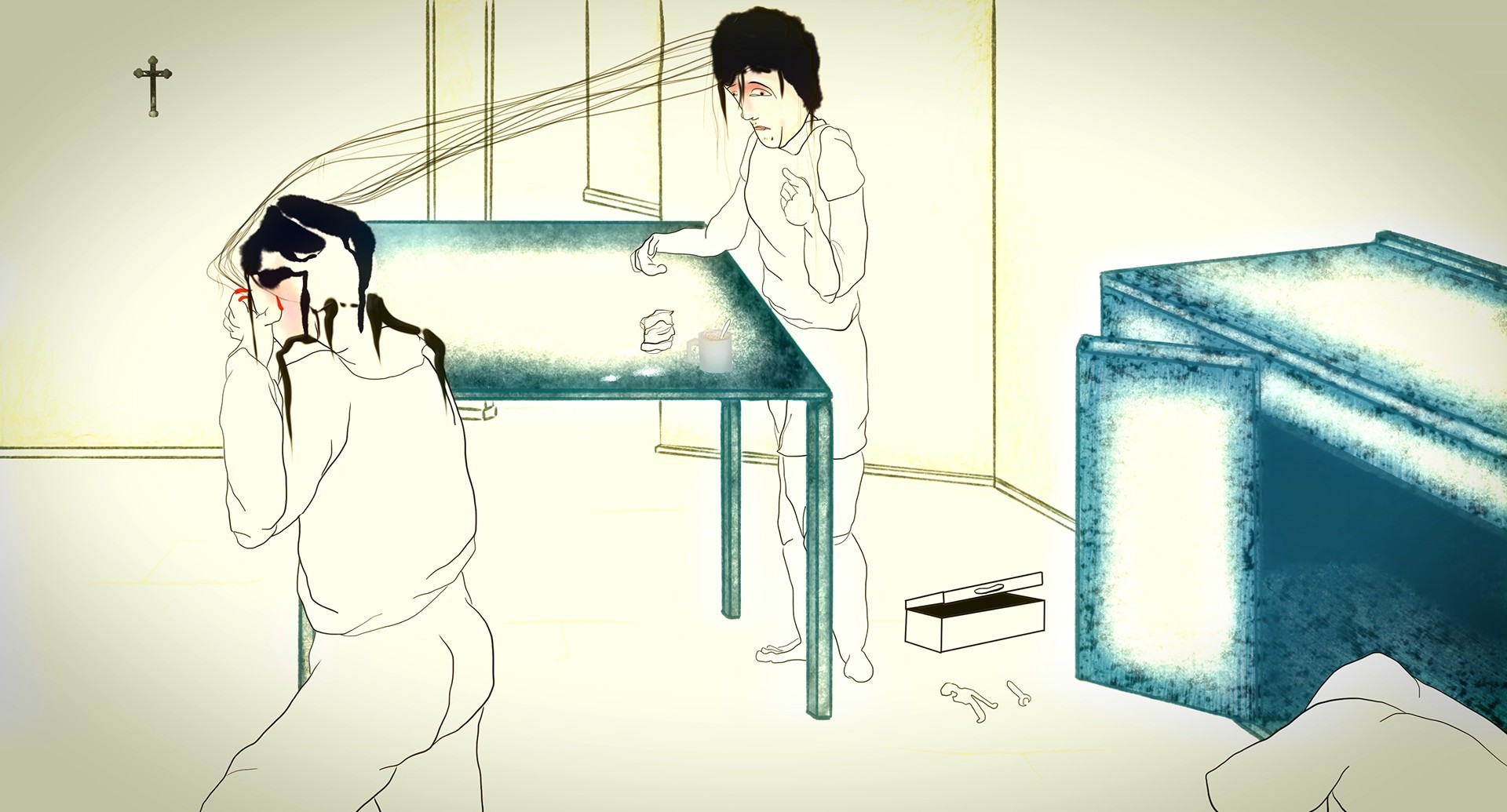
Meine Mutter kümmert sich um meinen 24 Jahre alten Bruder, der eine schwere geistige Behinderung hat. Ich bin damit aufgewachsen, dass meine Mutter ständig mit Behörden telefonieren musste. Das hat sich bis heute nicht geändert. Sie muss ständig erklären, warum er nicht in der Lage ist, Steuern zu zahlen, und warum sie es für ihn tun muss. Die Beamten stellen Fragen wie „Warum kann er sich nicht selbst darum kümmern?“, „Können Sie nicht mit ihm zu 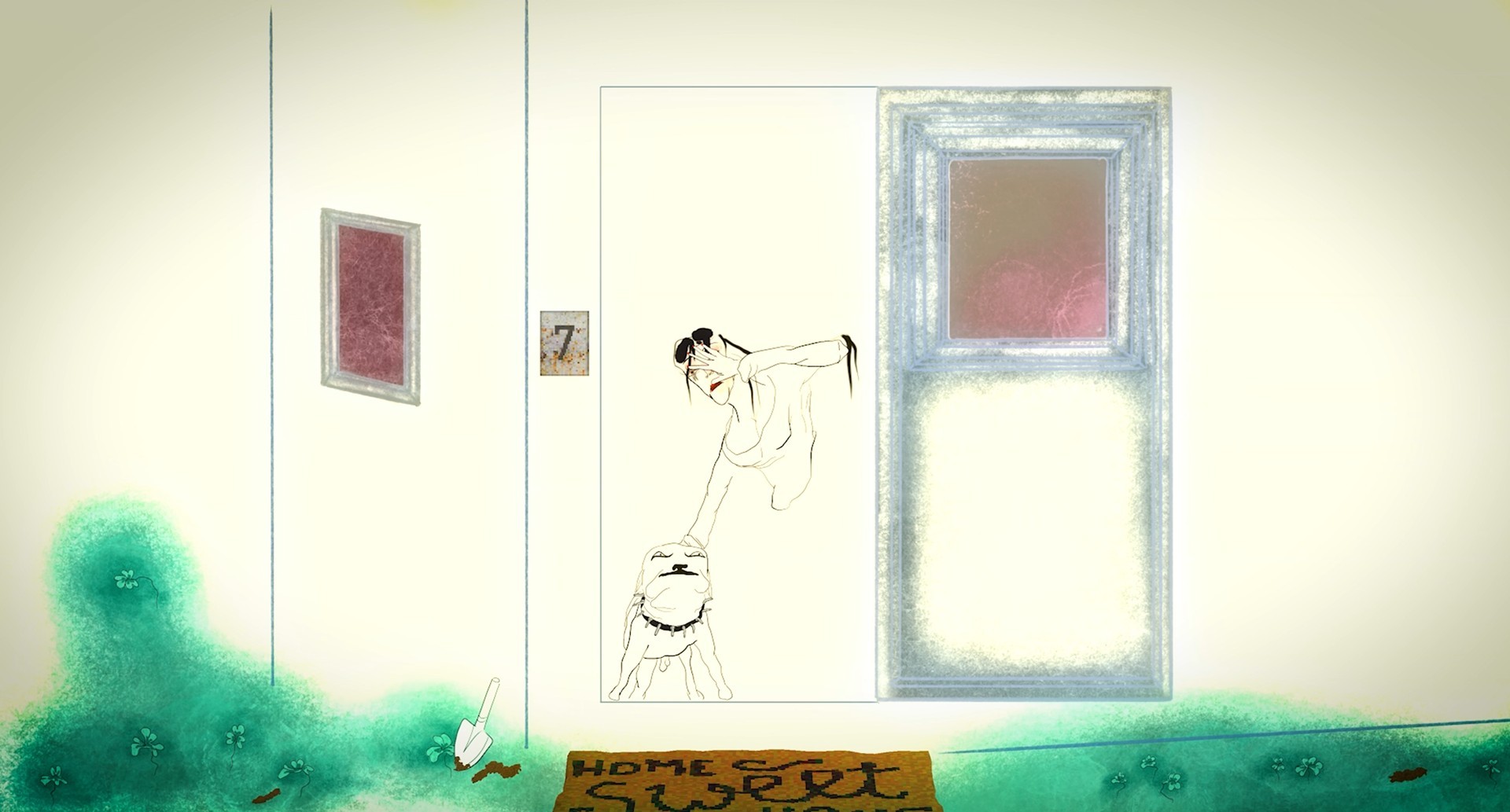 unserem Büro kommen, um uns das Problem zu zeigen?“. Diese Anrufe und den Papierkram zu erledigen, neben einem ohnehin schon engen Zeitplan voller Duschen, Füttern und Erziehen eines 24-jährigen Mannes, der unter starker Schlaflosigkeit leidet, ist etwas, das man normalerweise nur in den eigenen vier Wänden sieht und spürt. Für mich war es wichtig, dass mehr Menschen dies sehen.
Ich hatte das dringende Bedürfnis, den Film zu machen. Ich hatte das Bedürfnis, die Welt, in der ich aufgewachsen bin, mit anderen zu teilen, die Welt, die man normalerweise nur in den eigenen vier Wänden sieht. Ich bin damit aufgewachsen, dass meine Mutter ständig bei verschiedenen Institutionen anrufen musste, um die Rechte meines Bruders zu schützen oder einfach nur, um ihm immer und immer wieder seinen Zustand zu erklären. Die Institutionen des Gesundheitswesens und der Regierung stellen ständig die gleichen Fragen und hinterfragen alles, was man sagt. Es ist entmenschlichend, die Schwierigkeiten des täglichen Lebens auszubreiten und sein Herz auszuschütten angesichts der endlosen Dokumente und Telefonate. Es werden die stumpfsinnigsten Fragen gestellt. Es gibt so viele falsche Vorstellungen, sowohl von Außenstehenden als auch von Freunden. „Mother’s Child“ spricht das an.
 Warum hast Du Dich dafür entschieden, den Film auf Englisch zu drehen? Wie kam Deine Sprecherin Maya Devincenzi Dil zum Projekt und was war Dir wichtig für das Voice-Over?
Vieles wurde durch diese Bilder aus meiner eigenen Kindheit inspiriert. Ich habe eng mit einer unglaublichen Besetzung und Crew zusammengearbeitet. Eine von ihnen war Maya Devincenzi Dil, die Mary verkörperte und ein britisches Element in den Film einbrachte. Das hat mir die nötige Distanz verschafft und es mir ermöglicht, mich von meiner persönlichen Verbindung zur Geschichte zu lösen. So konnte ich das Drehbuch in eine fiktive Geschichte umwandeln – und nicht in einen Dokumentarfilm.
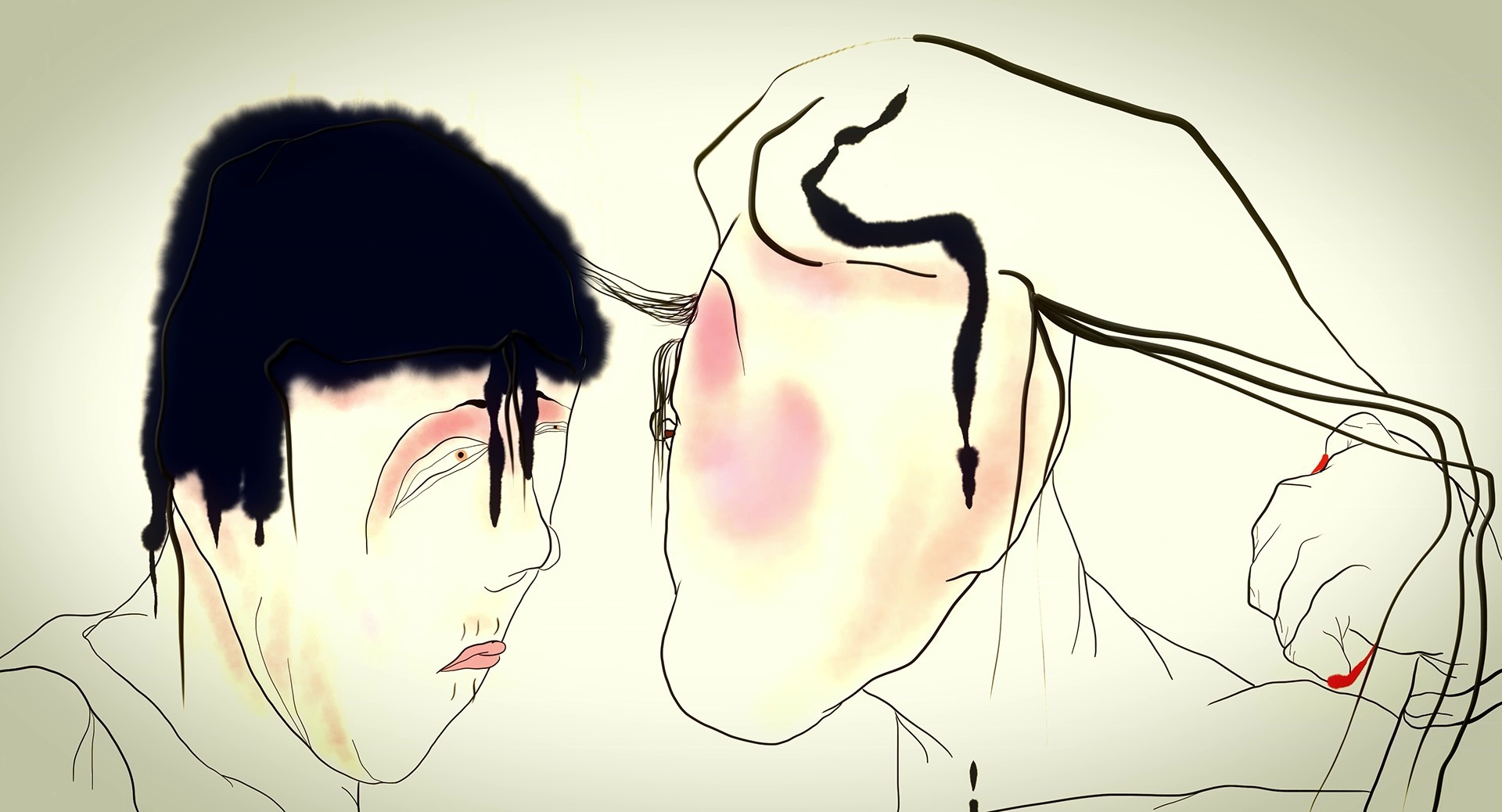
Deine Animationen sind stark und auch irgendwie verstörend. Kannst Du mir mehr zu den Bildern erzählen? Wie schaffst Du diese?
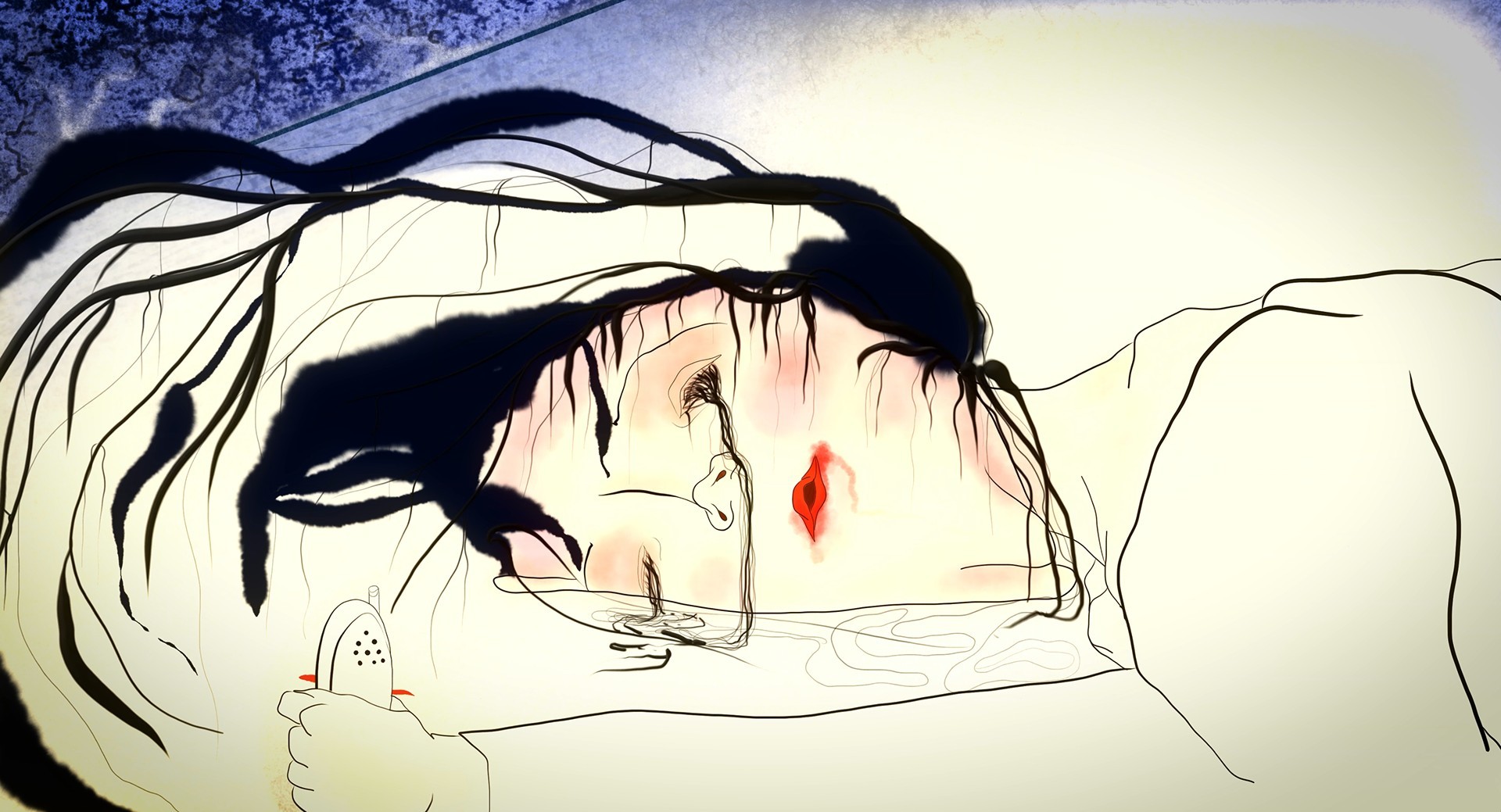 Mein Stil ist etwas, das ich nicht wirklich kontrollieren kann. Ich habe eine gewisse Unfähigkeit, realistisch zu zeichnen, haha. Für manche sind sie verstörend. Für mich spiegeln sie nur wider, wie ich mich oft fühle. Ich hätte einen Animator mit einem cartoonartigen Stil bitten können, sich an dem Projekt zu beteiligen, aber die Wahrheit ist, dass die emotionale Achterbahn und das bürokratische Durcheinander rund um die Pflege absolut erschreckend sein können. Wenn es nicht ein wenig verstörend oder emotional realistisch aussehen würde, würden die Leute nicht die Dringlichkeit des Themas spüren, denke ich.
In Deutschland können wir gut anknüpfen an das Pflege-Thema und die Sorgen und Nöte, die damit einhergehen. Hast Du solches Feedback auch aus anderen Ländern erhalten?
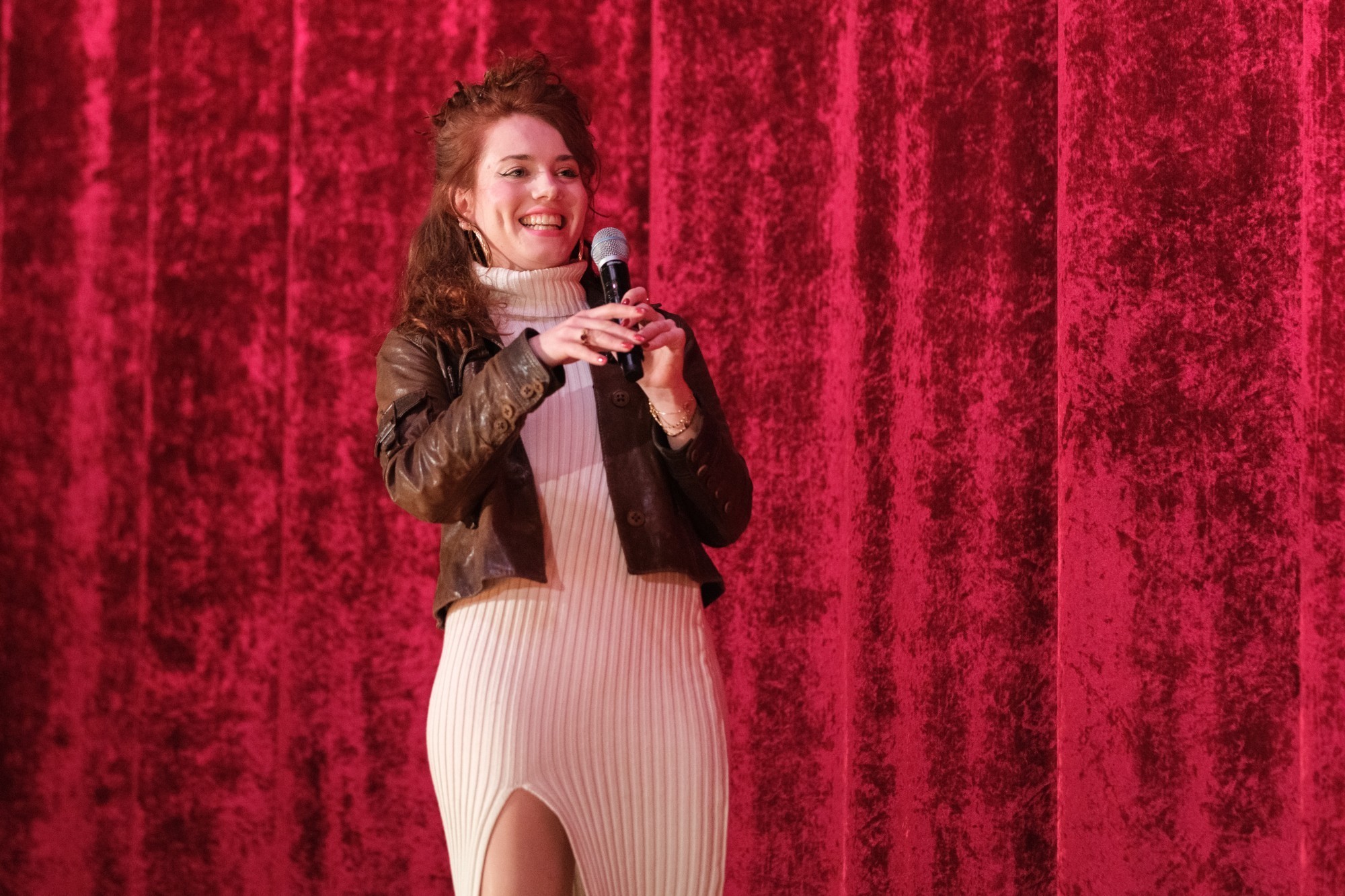
Naomi Noir, Regisseurin von „Mother‘s Child“
Interessanterweise habe ich viele Rückmeldungen aus verschiedenen Ländern erhalten, deren Pflegesysteme mit genau denselben Problemen zu kämpfen haben. Oft wird angenommen, dass die Pflegeeinrichtungen in den westeuropäischen Ländern erstklassig sind. Leider ist das Thema Bürokratie in Pflegeeinrichtungen in vielen Ländern in ganz Europa ein großes Problem. Die überhebliche Haltung der westeuropäischen Länder, „dass wir alles im Griff haben“, kann uns oft zum Nachteil gereichen. Die Verwaltungen von Betreuungseinrichtungen werden von Menschen geleitet, die noch nie in ihrem Leben Sozialarbeit geleistet haben und überhaupt nicht offen für Rückmeldungen sind. Sie müssen Fälle über schwere geistige Behinderungen schreiben, aber sie verstehen oder begreifen oft nicht, was diese Behinderungen mit sich bringen. Sie haben nur über Gesetze aus Büchern gelernt, aber nicht über Menschen und menschliche Bedingungen.
Sind bereits neue Projekte geplant?
 Ich bin gerade dabei, einen Film über den Prozess der Abtreibung zu schreiben – und mehr noch – über die große Bandbreite an Gefühlen, die man nach einer Abtreibung durchleben kann. Bei diesem Thema konzentrieren wir uns oft auf politische Fragen. Links gegen rechts. Gut gegen Böse. Ich möchte mich aber auf die Menschlichkeit des Themas konzentrieren.
Die Fragen stellte Doreen Kaltenecker
Übersetzung von Michael Kaltenecker
Lies auch die Rezension des Kurzfilms „Mother’s Child“
Interview: In our conversation with Dutch director and animation artist Naomi Noir, we learned more about her short film „Mother’s Child„, which premiered in the ‚Berlinale Shorts‘ program of the 75th Berlinale 2025, how the story was born out of personal experiences, why the English language created a certain distance and why her somewhat disturbing style fits perfectly with the theme of the film.
You are processing family experiences, right? Would you like to tell me more about the origins?
My mother takes care of my 24 year old brother who has a severe mental disability. I grew up with my mother continuously having to call government officials. To this day my mother still has to call officials almost daily. She continuously has to explain why he will not be able to pay taxes and why she has to do it for him. Officials ask questions like „Why can’t he do his own administration?“, „Can’t you come by our office with him to show us the problem?“. To handle these calls and the paperwork, next to an already tight schedule full of showering, feeding and educating a 24 year old man that has heavy insomnia, is something that is usually only seen and felt within the privacy of the four walls of a home. For me it was important that more people see this.
I felt an urgent need to make the film. I felt this urgency, to share the world I grew up with, the world usually only seen within the privacy of the four walls of a home. I grew up with my mother constantly having to call various institutions in order to protect my brother’s rights or simply to explain, over and over again, his condition. Healthcare and government institutions constantly ask the same things and question everything you say. It’s dehumanizing, having to dredge up the difficulties of your daily life and pour your heart out in the face of endless documents and telephone calls. The most obtuse questions are asked. There are so many misconceptions from outsiders, as well as friends. „Mother’s Child„ speaks to that.
Why did you decide to make the movie in English? How did your voice actress Maya Devincenzi Dil get involved in the project and what was important to you for the voice-over?
A lot was inspired by these images from my own childhood. I worked closely with an incredible cast and crew. One of them was Maya Devincenzi Dil, who voiced Mary and introduced a British element to the film. That added a necessary distance, allowing me to step back from my personal connection to the story. It allowed me to convert the script to a fictional story – rather than making a documentary.
Your animations are strong and also somehow disturbing. Can you tell me more about the images? How do you create them?
My style is something I can’t really control. I’ve got a certain inability to draw realistically haha. To some they are disturbing. To me they’re just a reflection of how I often feel. I could’ve asked an animator with a cartoon-like style to jump in on the project, but the truth is that the emotional rollercoaster and the bureaucratic mess surrounding caregiving can be absolutely terrifying. If it wouldn’t look a bit disturbing or emotionally realistic, people wouldn’t feel the urgency of the subject I think.
In Germany, we can relate well to the topic of care and the worries and hardships that come with it. Have you also received feedback like this from other countries?
Interestingly enough, I’ve gotten a lot of feedback from different countries whose caregiving systems are facing the exact same problems. Often people assume that caregiving institutions are top notch in Western European countries. Sadly the topic of bureaucracy in caregiving institutions is an enormous problem in a lot of countries all over Europe. Often, this cocky attitude of Western European countries, „that we got everything taken care of“, can work against us a lot of times. Administrations of caregiving institutions are run by people who have never done social work in their life and are not open to feedback at all. They have to write cases about severe mental disabilities, but they often don’t understand or grasp what these disabilities entail. They’ve only learned about laws from books, but not about people and human conditions.
Are there any new projects planned?
I’m currently in the process of writing a film about the process of abortion – and more so – the wide range of emotions one can go through in the aftermath of abortion. With this topic, we often focus on political matters. Left against right. Good against bad. I want to focus on the humanity of the subject.
Questions asked by Doreen Kaltenecker
Read on the german review of the short film „Mother’s Child„