
Studium der Kunstgeschichte - Schwerpunkt: Filmgeschichte
(Abschluss 2010 mit der Arbeit "Rembrandt im Spielfilm")
Nebenfächer: Philosophie und Alte Geschichte
- seit 2012: Filmkritikerin bei movieworlds (Kino, DVD, BD, Festivalberichte)
- seit 2015: Blog 'Testkammer' online
- Jetzt in der Mediathek! – Der Film „Kippenschnippen“ - 18. Oktober 2026
- „London“ (2026) - 15. Oktober 2026
- Kinostarts 15.10.2026 - 14. Oktober 2026
 Raphael Neal
 Interview: Im Gespräch mit dem britischen Animationskünstler und Scott Coello, der auch unter dem Künstlernamen ‚Cribble‘ arbeitet, konnten wir mehr über seinen dreiteiligen Kurzfilm „Future Of …“ erfahen, der im Genre-Programm des 26. Landshuter Kurzfilmfestivals 2026 zu sehen war. Er erzählt von der langwierigen Entstehung, wie er im DIY-Stil den Film realisiert hat und wer seine größte Inspiration war.
The original english language interview is also available.
Wie ist die Idee zu Deinem Kurzfilm entstanden?
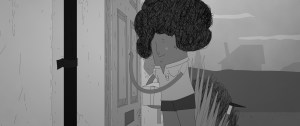
 Es ist eine etwas komplizierte Geschichte, aber der Film sollte eigentlich nur und ausschließlich die „Meer“-Geschichte sein, an der ich ursprünglich schon 2010 begonnen hatte, zu arbeiten, inspiriert von den Geschichten meines verstorbenen Freundes und Künstlers Peter Robin Hill. Leider habe ich das gesamte Filmmaterial durch eine Reihe verheerender Festplattenausfälle verloren, was mich über ein Jahrzehnt lang von dem Projekt abgehalten hat. Ich bin froh, dass ich durch die Auszeit von dem Projekt als Filmemacher reifen konnte, sodass ich, als ich über ein Jahrzehnt später wieder daran ging, mehr Ideen hatte, die sich alle so anfühlten, als gehörten sie in dieses Universum von Geschichten.
Die Wal-Geschichte am Anfang ist etwas mysteriöser – magst Du dort etwas Interpretationshilfe geben?
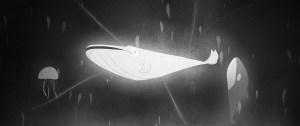
 Aufgrund dieser zeitlichen Lücke zwischen dem Beginn und dem Abschluss der „Meer“-Geschichte seht ihr hier eine ganz andere, abstraktere Version meiner Erzählkunst, wie sie vor weit über einem Jahrzehnt war. Letztendlich geht es darum, dass Tiere Angst haben und wissen, dass Menschen sie vernichten – in einem Kreislauf, der sich niemals ändert, es sei denn, sie nehmen ihr Schicksal selbst in die Hand; der Mond mit seinen Zyklen ist ein Symbol der Hoffnung und der Flucht, nicht nur für uns, sondern auch für die Tiere.
Du arbeitest mit 2D-Zeichnungen in Graustufen. Sind Deine Bilder am Computer entstanden? Wie viel Zeit ist in das Projekt geflossen?
 Kurz gesagt: Insgesamt dauerte die Produktion des Films ein Jahr, aber ich musste sie auf drei bis vier Jahre verteilen, da es sich um ein Projekt ohne Budget handelte, das ich selbst finanziert und im DIY-Stil umgesetzt habe. Um den Prozess zu beschleunigen, habe ich, wo immer möglich, Einzelbildanimation mit einigen Rigging- und Puppenanimationen kombiniert. Ursprünglich hatte ich Farbe in das Projekt integriert, doch dies machte es unglaublich kompliziert, die dunklen Farbtöne im Film einzufangen.
Was lag Dir dabei visuell am Herzen?
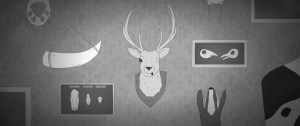 Das ist das erste Mal, dass ich Hintergründe richtig eingesetzt habe. Ich hatte keine Ahnung, wie wichtig es visuell ist, Szenen zu gestalten, um das Tempo einer Geschichte zu bestimmen und sie voranzutreiben; in manchen Abschnitten war das entscheidend, damit man genau wusste, wie sich die Dinge entwickelten.
Gibt es Vorbilder, auf die Du Dich beziehst?
 Das klingt vielleicht kitschig, aber mein Mann, John Coello, ist wirklich eine große Inspiration für mich; obwohl er an einer seltenen Nervenerkrankung leidet, die sein Sehvermögen beeinträchtigen kann, ist er ein unglaublich produktiver Künstler, der sich in Keramik, Ölmalerei, Druckgrafik und allem, was er anfasst, versucht – er ist einfach unglaublich. Er hat mir geholfen, die Tiefpunkte während dieses Projekts zu überwinden, was oft ein Problem ist, wenn man so lange alleine an etwas arbeitet.
Die Helden in Deiner Geschichte sind Tiere, deswegen hast Du fast komplett auf Sprache verzichtet. Um so wichtiger ist das Sounddesign – kannst Du mir dazu sagen?
 Die Hälfte der Erzählung liegt in den Bildern, aber die andere, äußerst wichtige Hälfte, die den Film erst vervollständigt, ist das detailreiche, akribische Sounddesign, das nur Luke Holmes hätte schaffen können. Da wir schon seit der Schulzeit befreundet sind und sogar mal zusammen in einer Band gespielt haben, glaube ich, dass er mich ein wenig versteht; ich könnte mir niemanden anderen vorstellen, der das Sounddesign so eigenständig umsetzen könnte wie Luke. Und alle Notizen, die ich ihm schickte – „eher wie shhhhpchhh“ usw. –, er verstand den Wahnsinn dieser „Geräuschnotation“! Ohne ihn wäre der Film nichts wert, und ich bin ihm auf ewig dankbar für seine Freundschaft und seine Hilfe bei diesem Film.
Auch der Musikeinsatz trägt viel zur Stimmung bei. Auch davon möchte ich gern mehr erfahren.
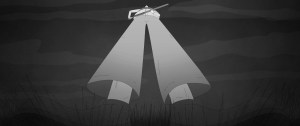 Der Film ist eine echte Zeitkapsel, nicht nur was die Ideen im Film angeht, sondern auch die Musik. Thematisch hatte die gesamte Musik etwas Skurriles an sich, das zur natürlichen Atmosphäre und zum Gefühl des Films beitrug, obwohl das Klangspektrum so vielfältig ist. Das ursprüngliche „Sea“-Thema wurde 2007 ausschließlich auf einem kaputten Kofferklavier komponiert, wobei in die MP3-Datei ein Bild eines aus dem Meer springenden Wals eingebettet war. Nach der Land-Eröffnung: Hört genau hin, dann hört ihr, wie ich meinen älteren Bruder Matt anschreie, er solle anfangen, Schlagzeug zu spielen (2009). Diese stampfende Akustikgitarre während der „Air“-Liefersequenz war ein Trennungslied, 2010. Es ist schön, dass ich so viele verschiedene Themen und Melodien aus meinem ganzen Leben in diesen Film einfließen lassen konnte und dass das alles irgendwie funktioniert hat. Ich werde den kompletten Soundtrack nächsten Monat auf meine Website/Bandcamp hochladen.
Kannst Du mir am Schluss noch ein bisschen mehr von Dir erzählen und wie Du zum Film gekommen bist?
 Ich bin kein geborener Filmemacher. Ich habe Grafikdesign studiert, was mir ganz andere Werkzeuge und Arbeitsweisen vermittelt hat. Das ist wahrscheinlich der Grund, warum ich Jahre gebraucht habe, um diese Idee umzusetzen: Ich musste Methoden und Abläufe beim Filmemachen lernen, die ich nicht verstand, und ich hatte auch niemanden, der mir dabei half – ich musste es einfach selbst herausfinden. Ich bin aber froh, dass ich es getan habe, und ich habe etwas vorzuweisen, aber ich würde zu 100 % nichts so Großes machen … VIELLEICHT!
Sind bereits neue Projekte geplant?
 Ich arbeite gerade an einem kleineren, eigenständigen Projekt: Einem Kurzfilm über die Verflechtungen des Tiefschlafs, der mein erster queerer Animationskurzfilm sein wird. Diesmal werde ich dafür nicht 15 Jahre brauchen!
Die Fragen stellte Doreen Kaltenecker
Übersetzung von Michael Kaltenecker
Lies auch die Rezension des Kurzfilms „Future Of …“
Interview: In our conversation with British animator Scott Coello, who also works under the pseudonym “Cribble,” we learned more about his three-part short film “Future Of …”, which was screened in the genre program at the 26th Landshut Short Film Festival in 2026. He talks about the lengthy production process, how he made the film in a DIY style, and who his greatest inspiration was.
How did the idea for your short film come about?
It’s a little involved, but the film was only supposed to be just and only the Sea story, which I originally started work back in 2010, inspired by the stories from my late friend and artist Peter Robin Hill. I sadly lost all the footage in a brutal set of hard drive crashes, which discouraged me from the project for over a decade. I’m glad I had time away from the project to mature as a filmmaker, so when I returned to it over a decade later I had more ideas that all felt like they belonged in this universe of stories.
The whale story at the beginning is a bit mysterious—would you like to offer some guidance on how to interpret it?
Because of that time gap between starting and finishing the Sea story, you’re seeing a very different, more abstract train-of-thought version of my storytelling skills from well over a decade ago. Ultimately, it’s about animals fearing and knowing that humans destroy them in a cycle that never changes unless they take control of their destiny; The moon with its cycles, is a reminder of hope and escape not just for us, but for animals too.
You work with 2D drawings in grayscale. Were your images created on the computer? How much time did you invest in the project?
Condensed, overall the film took a year, but I had to spread it across 3-4 years as it’s 0 budget, self-funded DIY. To speed things up, I married frame-by-frame animation with a few rigged/puppet animations where I could. I originally included colour in the project, but it made capturing the dark tones in the film incredibly complicated.
What was important to you visually?
This is the first time I’ve properly used backgrounds. I had no idea how visually important it was to set scenes to help pace and traverse a story, it was vital in some areas so you knew exactly how things were progressing.
Are there any role models you draw inspiration from?
This’ll sound soppy, but really my husband, John Coello, is a huge inspiration; despite having a rare nerve condition that can affect his sight, he’s such a prolific creator, turning his hand to ceramics, oil paintings, printmaking and whatever he turns his hand to, he’s just amazing. He helped me push through the low points during this project which is often an issue when you work solo on something for so long.
The heroes in your story are the animals, which is why you’ve almost completely done away with dialogue. That makes the sound design all the more important. Can you tell me more about that approach?
Half of the storytelling is in the visuals, but the other, super important half to complete the film is the detailed, meticulous sound design that only Luke Holmes could’ve created. Since we’ve been friends since school and were even in a band together at one point, I think he understands my mind a little; I couldn’t imagine anyone else working on the sound design unaided quite like Luke. And any notes I’d send him „more like shhhhpchhh“ etc, he understood the madness of „noise notation“! The film wouldn’t be worth anything without him and I am forever grateful for his friendship and help on the film.
The use of music also contributes a lot to the mood. I’d love to hear more about that, too.
The film is such a time capsule, not just the ideas in the film, but also the music. All the music thematically had a wonkiness that contributed to the film’s natural environment and feel of the film, even with how diverse the sound set is. The original Sea theme was composed solely on a broken suitcase piano in 2007, with embedded artwork in the MP3 file of a whale jumping out of the sea. After the land opening, listen closely, you’ll hear me yelling at my older brother Matt to start playing drums (2009). That chugging acoustic guitar during the Air delivery sequence, was a break-up song, 2010. It’s nice that I was able to encapsulate so many different themes and tunes from across my life into this film and that it all somehow worked. I’ll be uploading the full OST to my website/bandcamp next month.
Finally, could you tell me a little more about yourself and how you got into filmmaking.
I’m not a natural filmmaker. I studied graphic design and it set me up with a different toolset and practice. It’s probably why it took me years to realise this idea, I had to learn methodologies and processes to making films that I didn’t understand, and didn’t have help learning either, I just had to figure it out. I’m glad I did though and I have something to show for it, but I’d 100% not make something so big… MAYBE!
Are there any new projects in the works?
I’m currently working on a smaller, singular idea; a short film about the entanglement of deep sleep which will be my first queer animated short. This time it won’t take me 15 years to make!
Questions asked by Doreen Kaltenecker
Read on the german review of the short film „Future Of …„