
Studium der Kunstgeschichte - Schwerpunkt: Filmgeschichte
(Abschluss 2010 mit der Arbeit "Rembrandt im Spielfilm")
Nebenfächer: Philosophie und Alte Geschichte
- seit 2012: Filmkritikerin bei movieworlds (Kino, DVD, BD, Festivalberichte)
- seit 2015: Blog 'Testkammer' online
- Kinostarts 18.06.2026 - 18. Juni 2026
- 3. Doxumentale 2026 - 17. Juni 2026
- Fünf Fragen an Jonah Wögerbauer - 16. Juni 2026
 lizawolters
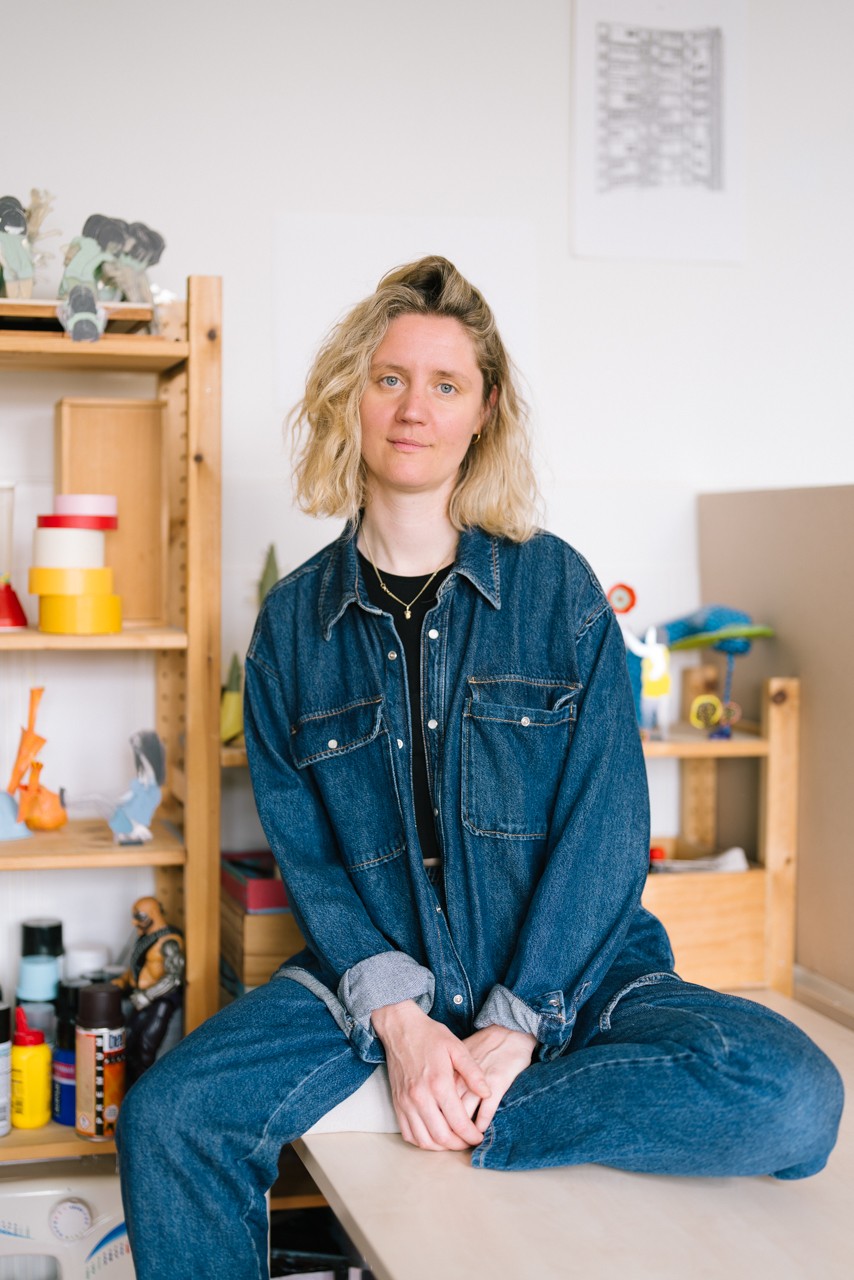
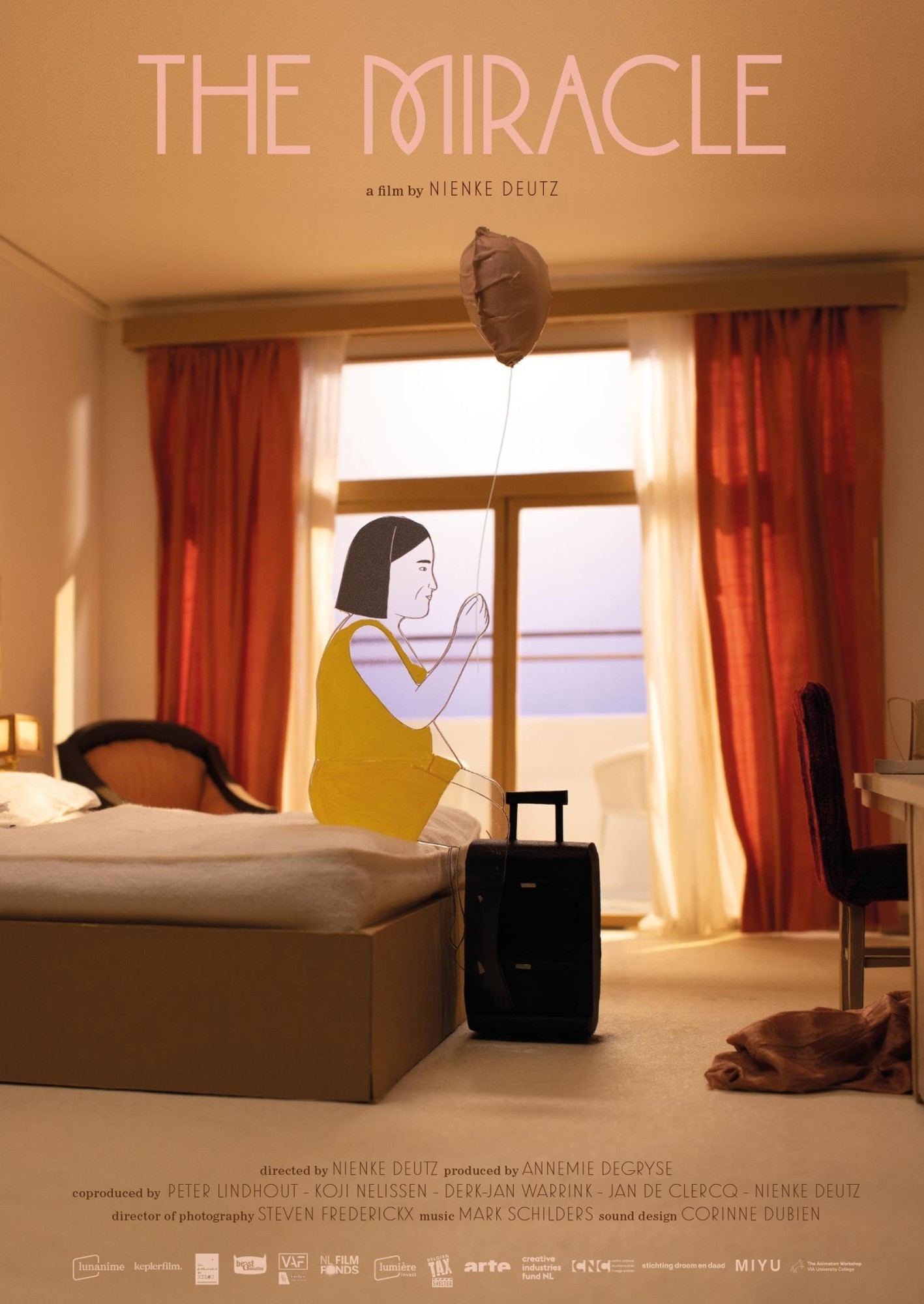
 Interview: Im Gespräch mit der belgischen Regisseurin Nienke Deutz („Bloeistraat 11“) konnten wir mehr über ihren Kurzfilm „The Miracle“ erfahren, der auf dem 39. Internationalen Kurzfilmfestival Berlin 2023 als ‚Bester Animationsfilm‘ ausgezeichnet wurde und auf dem 36. Filmfest Dresden 2024 im ‚Internationalen Wettbewerb‘ lief. Sie erzählt, wie sie den Stoff aus dem Leben gegriffen hat, es spannend fand, der Hauptfigur keine Hintergrundgeschichte aufzuzwingen und wie ihr Stil aus Animationen und Stop-Motion-Technik sich sehr gut für die Geschichte eignete.
The original english language interview is also available.
Wie ist die Idee zu Deinem Kurzfilm entstanden?
Als ich auf die 30 zuging, beschäftigten sich die Menschen um mich herum mit der Frage, ob sie Kinder haben sollten oder nicht, und ich sah, wie viel Druck das mit sich brachte. Schwangerschaft und Mutterschaft werden gefeiert, aber gleichzeitig scheinen die Gefühle von Frauen, die – aus welchen Gründen auch immer – nicht schwanger werden, oft totgeschwiegen und ignoriert zu werden. Obwohl es immer mehr Beispiele von Frauen ohne Kinder gibt, habe ich das Gefühl, dass es immer noch an der Sprache fehlt, um über dieses Thema zu sprechen. Weil es mich persönlich betrifft, aber ich habe auch gesehen, dass viele andere Menschen mit diesem Thema zu kämpfen haben. Es hat mich gereizt, daraus einen Film zu machen.
 Warum hast Du Dich dafür entschieden, nicht mehr von der Vorgeschichte Deiner Figur zu erzählen?
Ich dachte darüber nach, wie Menschen im Urlaub leben, losgelöst von ihrem Alltag, in einer Art Zwischenzustand, in dem die gegenwärtige Erfahrung wichtiger ist als das, was zu Hause passiert.
Ich beschloss, mich auf Irmas (der Hauptfigur) Erfahrung als alleinstehende Person in einer Welt zu konzentrieren, die für Familien konzipiert ist, und nicht auf die Umstände, die sie dorthin geführt haben. Diese können vom Zuschauer interpretiert werden. Vor Jahren habe ich „Nichts Persönliches“ von Urszula Antoniak gesehen, und ich fand es faszinierend, eine Figur zu sehen, die eindeutig mit etwas zu kämpfen hat, aber wir erfahren nie wirklich etwas über ihre spezifische Vorgeschichte. Vielleicht habe ich das falsch in Erinnerung, aber es blieb bei mir hängen, diese Person, die eine Art von Verlust durchmacht, losgelöst von ihrer täglichen Umgebung und ihrer Hintergrundgeschichte.
Daneben gibt es noch etwas, das speziell mit Animationsfilmen zu tun hat. Im Animationsfilm arbeitet man mit der Darstellung eines Menschen und nicht mit einem echten Schauspieler. Als Zuschauer hat man also weniger Informationen, die direkt mit der realen Welt übereinstimmen. Man muss sich in gewisser Weise anstrengen, um eine animierte Figur in seinem Kopf zu vervollständigen. Da die Figur zu Beginn nicht spezifisch ist, bleibt auch mehr Raum für den Zuschauer, das, was er sieht, in diese Leere zu gießen.
Ich liebe Deine Technik mit einem Mix aus Stop-Motion und 2D-Zeichnungen. Kannst Du mir mehr darüber erzählen, warum Du Dich dafür entschieden hast?
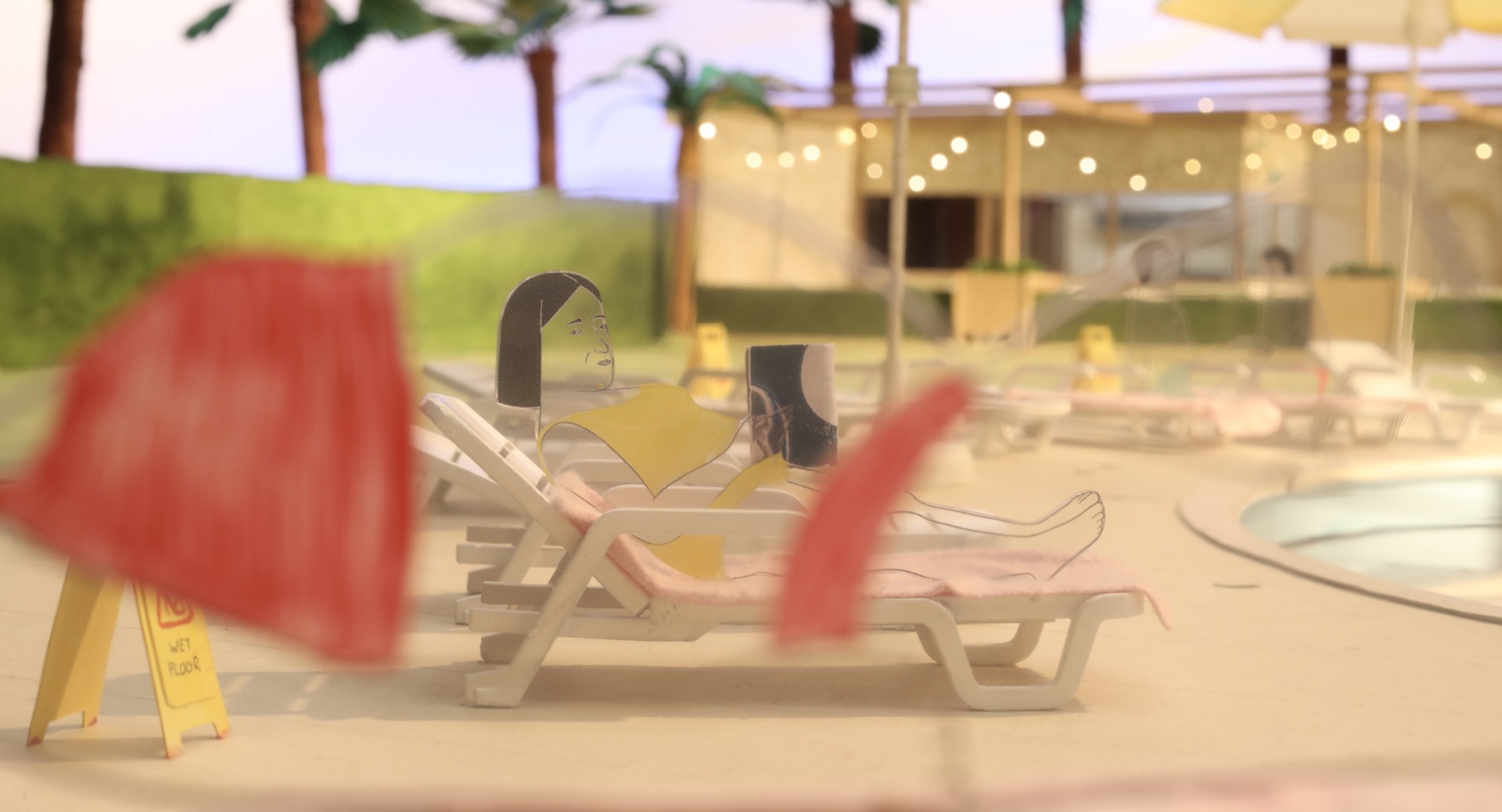
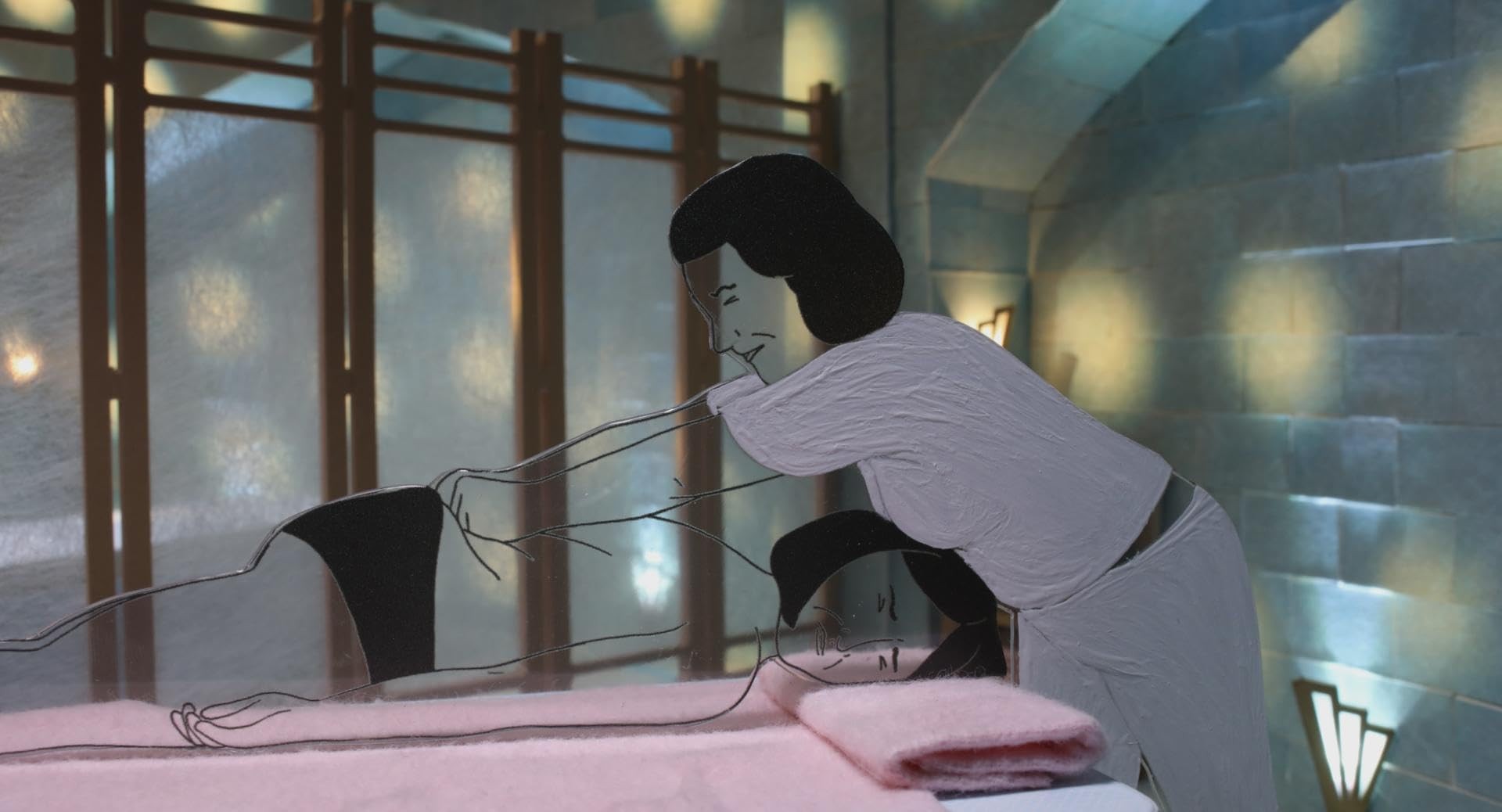
 Ich habe diese Technik bei den Recherchen zu meinem letzten Film entwickelt, und ich liebe sie sehr. Aber als ich mit der Arbeit an „The Miracle“ begann, hatte ich nicht unbedingt vor, einen Film in derselben Technik zu drehen. Als ich mich mit der Darstellung von Schwangerschaft in der Popkultur beschäftigte, fand ich diese Artikel, in denen beschrieben wird, wie der Einsatz von Ultraschall unsere Wahrnehmung von Schwangerschaft verändert hat. Wir alle wissen, wie ein ungeborener Fötus aussieht, dank medizinischer Veröffentlichungen und (3D-)Ultraschall, aber wir können ihn nicht mit bloßen Augen sehen. Mit Ultraschall wird der Körper einer schwangeren Person transparent gemacht. Mit der Animationstechnik, die ich verwende, kann man Körper je nach Beleuchtung mehr oder weniger transparent erscheinen lassen. Ich fand diese visuelle Parallele auffallend und dachte, dass die Verwendung dieser Technik eine interessante Art sein könnte, die Geschichte auf visuelle Weise zu erzählen.
Würdest Du sagen, Du hast schon Deinen persönlichen Stil gefunden?
 Interessante Frage, die mir eine Menge Gedanken bereitet. Die Herstellung eines Animationsfilms ist ein seltsamer Prozess, weil er so lange dauert und viele verschiedene Fähigkeiten erfordert. Ein Kurzfilm kann leicht 3-4 Jahre oder länger dauern, bis er vom ersten Entwurf bis zum fertigen Film fertig ist. Oft hat man sich also verändert, wenn der Film fertig ist, und würde Dinge anders machen. Damit habe ich manchmal zu kämpfen, aber ich lerne, dies als Teil des Prozesses zu akzeptieren. Das ist auch ein Ansporn, weiter Filme zu machen; jedes Mal denke ich: Jetzt weiß ich, wie es geht, was mir wichtig ist, und dieses Mal werde ich es einfangen können! Ich denke, mein persönlicher Stil ist etwas, das sich entwickelt, aber es gibt einen Kern, der meiner Meinung nach in meiner Arbeit (oder zumindest in meiner Arbeitsweise) immer wieder auftaucht, und das ist, dass ich versuche, ehrliche und menschliche Geschichten zu erzählen, in denen sich animierte Figuren wie Menschen fühlen können.
In welchem Rahmen und über welchen Zeitraum ist Dein Film entstanden?
 Der Film ist ein unabhängiger Film, der in Belgien und den Niederlanden in Koproduktion mit Frankreich produziert wurde. Vom ersten Entwurf des Films bis zum Endergebnis dauerte es etwa 3 Jahre, davon 1,5 Jahre Produktion. Die 2D-Animation (gezeichnet) wurde mit einem Team von vier Animatoren und einigen Assistenten erstellt, und für den Stop-Motion-Teil arbeiteten wir mit drei Setbauern, einem Kameramann und zwei Animatoren. Daneben gab es noch Produzenten, die den Überblick über die Schwenks behielten, und das Tonteam.
Kannst Du mir noch ein bisschen von Dir erzählen und wie Du zum Film gekommen bist?
Ich habe mich schon immer für das Geschichtenerzählen interessiert und liebe es, Dinge zu bauen und mit physischen Materialien zu arbeiten. Als Kind wollte ich Schriftstellerin, Erfinderin oder Süßigkeitentesterin werden. Ich war nicht so sehr ein Mensch, der mit der Liebe zur Animation aufgewachsen ist, und habe erst recht spät herausgefunden, dass es so etwas wie ein Animationsstudium gibt. Ich habe einen Bachelor-Abschluss in Bildender Kunst an der Kunsthochschule in Maastricht gemacht, wo ich zunächst in der Filmabteilung anfing und später zur Bildenden Kunst wechselte. Nach dem Abschluss hörte ich von der Animationsabteilung an der Kunsthochschule in Gent, Belgien. Ich hatte den Eindruck, dass ich alle meine Interessen im Bereich Animationsfilm kombinieren könnte, und so ging ich dorthin, um meinen Master zu machen, ohne genau zu wissen, worauf ich mich einließ. Dort habe ich wirklich etwas über Animation gelernt, über die Vielfalt des Mediums, über all die Formen, die es haben kann – es ist erstaunlich. Als Filmemacherin vereint es viele Dinge, die ich liebe: Geschichtenerzählen, Entwerfen, Bauen, die Arbeit mit Menschen, aber auch einige einsame Phasen. Ich bin sehr dankbar, dass ich diesen Weg gefunden habe, denn er passt gut zu mir, und das ist nicht selbstverständlich.
Sind bereits neue Projekte geplant?
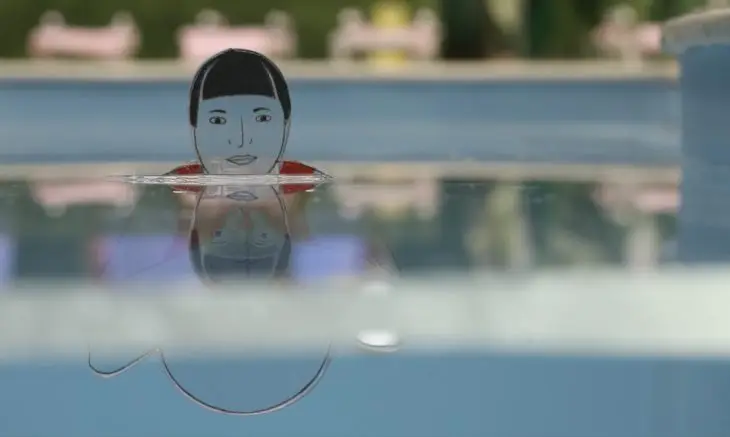 Im Moment arbeite ich an einem Kurzfilm, der eher dokumentarisch angelegt ist. Er basiert auf Interviews mit meinen Nachbarn in Rotterdam. Ich habe sie gebeten, sich vorzustellen, dass sie die Superkraft haben, fliegen zu können. Der Film heißt „This is your captain speaking“.
Außerdem habe ich dieses Jahr das Tinsel Studio gegründet, ein Kollektiv, das aus mir und zwei anderen Animationsfilmregisseuren besteht. Das Ziel dieses Kollektivs ist es, nicht nur Regie zu führen, sondern auch unsere eigenen Arbeiten zu (ko-)produzieren. Wir haben gerade unseren ersten Kurzfilm fertiggestellt, ein 2,5-minütiges Stop-Motion-Musical über Müll namens The Refusers. Dieser Film ist jetzt seit einem Monat fertig, es gibt viele Ideen für neue Pläne und wir sind gerade dabei zu entscheiden, auf welche wir uns als nächstes konzentrieren werden.
Die Fragen stellte Doreen Kaltenecker
Übersetzung von Michael Kaltenecker
Lies auch die Rezension des Kurzfilms „The Miracle“
Interview: In our conversation with Belgian director Nienke Deutz („Bloeistraat 11„), we learned more about her short film „The Miracle„, which was awarded ‚Best Animated Film‘ at the 39th International Short Film Festival Berlin 2023 and 36th Filmfest Dresden 2024 in the ‚International Competition‘ lief. She explains how she took the material from life, found it exciting not to impose a background story on the main character and how her style of animation and stop-motion technique was very well suited to the story.
How did the idea for your short film come about?
As I got into my 30s all around me people were navigating the question whether or not to have kids, and I saw how much pressure this brought. Pregnancy and motherhood are celebrated but at the same time the emotions of women who – for whatever reason – do not conceive, often seem to be hushed up and ignored. Even though there are more and more examples of women without kids, I feel there is still a lack of language to talk about this topic. Because it is personal to me but I also saw a lot of other people struggling with this topic. I was drawn towards making a movie out of it.
Why did you decide not to tell more of your character’s backstory?
I thought about the way people exist on holidays, loose from their daily lives, in some sort of in-between state, with the present experience more important than what is happening at home.
I made the decision to focus on Irma’s (the main character) experience as a person alone in a world that is designed for families, rather than the circumstances that led her there. Those can be interpreted by the spectator. Years ago I saw Nothing personal by Urszula Antoniak and it was so fascinating to me to see a character that is clearly struggling with something but we never really get to know her specific backstory. I might be remembering this wrong but it stayed with me, this person that is going through some sort of loss, loose from their daily surroundings and backstory.
Besides that there is something that has to do with animation film specifically. In animation you are working with the representation of a human, instead of a real actor. So as an audience member you have less information that resonates directly with the real world. You have to put in some sort of effort to ‘complete’ an animated character in your head. Because the character is not specific to begin with, there is also more space for the spectator to pour into this void what they see.
I love your technique with a mix of stop-motion and 2D drawings. Can you tell me more about why you decided to do this?
I developed this technique as I was researching my previous film and it’s something that I love dearly. But as I started working on „The Miracle„, I was not necessarily planning to make a film in the same technique. As I was researching the portrayal of pregnancy in pop culture I found these articles that describe how the use of ultrasound changed our perception of pregnancy. We all ‘know’ what an unborn fetus looks like because of medical publications and (3D) ultrasound but it’s not something we can actually see with our bare eyes. With ultrasound the body of a pregnant person is made transparent. With the animation technique that I use you can make bodies appear more or less transparent, depending on the lighting. I found this visual parallel striking and thought that using this technique could be an interesting way of telling the narrative in a visual way.
Would you say you have already found your personal style?
Interesting question, it brings up a lot of thoughts for me. Making an animation film is a weird process because it takes so long and it involves a lot of different skills. A short film can easily take around 3-4 years or longer before it gets from the first draft to the final film. So a lot of times you have changed by the time the film is finished and would do things differently. I struggle with that sometimes, but I am learning to accept this as part of the process. This is also a drive to continue to make films; every time I think; now I know how to do it, what is important to me and this time I will be able to capture it! I think my personal style is something that evolves but there is a core that I think always comes back in my work (or way of working at least) and that is that I try to tell honest and human stories, where animated characters can feel like people.
In what context and over what period of time was your film made?
The film was made as an independent film, produced in Belgium and The Netherlands in coproduction with France. From the first draft of the film, until the end result it took around 3 years, of which 1,5 years production. The 2D (drawn) animation was made with a team of 4 animators and some assisting and then for the stop motion part we worked with 3 set builders, a director of photography and two animators. Next to that there were producers who kept track of the panning and the sound team.
Can you tell me a bit more about yourself and how you came to film?
I have always been interested in storytelling and I have a love for building things and working with physical materials. As a kid I wanted to be a writer, an inventor or a candy tester. I was not so much a person who grew up loving animation and found out quite late that there was such a thing as animation studies. I got a bachelor’s degree in fine arts at the art school in Maastricht, where I first started in the film department and later switched to fine arts. After graduation I heard about this animation department at the School of arts in Ghent, Belgium. I got the impression that I could combine all of my interests in animation film so I went there to do a masters, not super sure of what I was getting into. There I really learned about animation, the diversity of the medium, all the forms it can have, it’s amazing. As a maker it combines a lot of things that I love, storytelling, designing, building, working with people but also some solitary periods. I feel very grateful that I have found this path because it fits me well and I don’t take that for granted.
Are there any new projects planned?
At the moment I’m working on a short film that is more documentary based. It’s based on interviews with my neighbors in Rotterdam. I asked them to imagine themselves to have the superpower to be able to fly. The film is called „This is your captain speaking“.
I also started Tinsel studio this year, a collective consisting of me and two other animation film directors. The aim of this collective is to not only direct but also (co)produce our own work. We just finished our first short film, 2,5 minute stop motion musical about garbage called The Refusers. That film has been finished for a month now, there are a lot of seeds for new plans and we are currently in the process of deciding which ones we’ll focus on next.
Questions asked by Doreen Kaltenecker
Read on the german review of the short film „The Miracle„