- Sechs Fragen an Gaël Kamilindi - 26. Juni 2026
- „TAXI MOTO“ (2026) - 26. Juni 2026
- Sieben Fragen an Giorgi Gago Gagoshidze - 2. Juni 2026
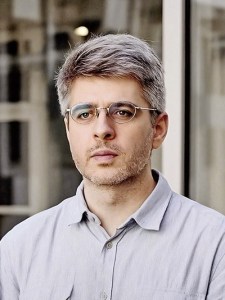 Interview: Im Gespräch erzählt uns der französische Filmemacher Nicolas Gouralt, was seine Herangehensweise bei seinem Kurzfilm „Their Eyes“ war, der im Rahmen des ‚Berlinale Shorts‘-Programm der 75. Berlinale 2025 seine Weltpremiere feierte, um die Arbeitswelt der gezeigten Clickworker erlebbar zu machen.
The original english language interview is also available.
Wie bist du zuerst auf das Thema aufmerksam geworden?
„Their Eyes“ ist ein loser Prolog zu einem früheren Film, den ich 2021 mit dem Titel „VO“ gedreht habe und der sich um den ersten tödlichen Unfall zwischen einem Fußgängerin und einem autonomen Auto von Uber in den USA im Jahr 2018 drehte. Der Film untersuchte die Rolle der Vehicle Operators, der Sicherheitsfahrer, deren Aufgabe es war, die autonomen Autos zu begleiten, während sie selbständig fuhren. Der Film konzentrierte sich auf das falsche Vertrauen, das sich entwickelte und das mir bei meinen Recherchen auffiel: Das Uber-Auto war nicht in der Lage, den Fußgänger zu erkennen, weil seine Software keine Kategorie für Menschen hatte, die außerhalb von Fußgängerüberwegen überqueren. Das Fehlen einer Kategorie, die so trivial zu sein schien, machte mich neugierig, so dass ich meine Nachforschungen fortsetzte, um zu verstehen, wie diese Kategorien gebildet wurden und wer diese Kategorien implementierte.
Du beginnst den Film sehr nah an der Interaktion mit der Software der Arbeiter:innen, einem einzelnen kleinen Arbeitsschritt. Zunächst wirkt das Gezeigte abstrakt, erst nach und nach verstehen die Zuschauer:innen, was sie sehen. Wieso hast du diesen Einstieg gewählt?
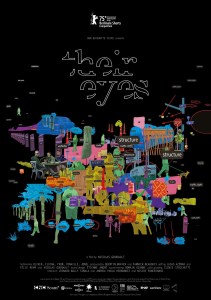 Da es in dem Film um die Entdeckung gegensätzlicher Weltanschauungen geht, mussten wir zunächst in die Erfahrungen der Arbeiter eintauchen. Die Bilder im ersten Teil des Films sind Ausschnitte aus der Online-Plattform, die von den Arbeiter:innen genutzt werden. Ich wollte nicht von Anfang an den ganzen Bildschirm verwenden, denn zum einen gab es zu viele Elemente auf der Benutzeroberfläche, und wir wären in Informationen untergegangen, ohne die Stimmen hören zu können, und zum anderen hätten die Bilder ihre Kraft der Fremdheit verloren. Da Fragen des Sehens und der Wahrnehmung im Mittelpunkt des Films stehen, wollte ich mir die Zeit nehmen, ein Element nach dem anderen einzuführen, so dass sich die Zuschauer fragen, was sie da sehen. Dies war auch ein Weg, um das Gefühl der Undurchsichtigkeit und Fragmentierung zu vermitteln, das dem Online-Arbeitssystem innewohnt, in dem alles getan wird, um die Arbeiter:innen daran zu hindern, das Gesamtbild zu erfassen.
Hast du nur auf Bildschirmaufnahmen der Arbeiter:innen zurückgegriffen, oder musstest du für den Film ihre Arbeit auch nachstellen und so filmbar machen? Wieso hast du dich entschieden, ihre Arbeit durch das Zeigen der Software, die sie verwenden, zu vermitteln?
Die meisten Bilder im Film stammen von Bildschirmaufnahmen, die von den Arbeiter:innen geteilt wurden und aus denen ich eine Auswahl getroffen und bearbeitet habe. Für mich ist die dokumentarische Dimension sehr wichtig. Ich arbeite im Allgemeinen mit Situationen, die von vornherein eher abstrakt oder spekulativ erscheinen, und darüber hinaus mit einer digitalen und experimentellen Formensprache, die eine große Distanz und einen Derealisierungseffekt erzeugen kann. Die dokumentarische Dimension mit der damit verbundenen Ästhetik und den Artefakten, wie z. B. der Schwärzung sensibler Informationen, ist daher unerlässlich, um den Film in der Realität zu verankern. Ich mache keine Science-Fiction-Filme, ich beschreibe Situationen, die bereits existieren, auch wenn sie versteckt sind. Ich denke oft kritisch an William Gibsons Satz: „Die Zukunft ist schon da, sie ist nur ungleichmäßig verteilt“.
Wie hast du die 3D-Animation der segmentierten Umgebung erstellt? Musstest du dafür selbst eine Umgebung segmentieren? Hast du auf eine bereits vorhandene Segmentierung zurückgegriffen?
Wie ich schon sagte, wurden die meisten Bilder im Film von den Arbeiter:innen zur Verfügung gestellt. Das Problem war, dass es sich dabei nur um Screenshots handelte, so dass ich sie nicht unverändert weiterverwenden konnte. Es war also eine Menge Arbeit, die erhaltenen Bilder neu zu segmentieren. In gewisser Weise musste ich mit Hilfe der Assistenten, die mich bei diesem Prozess unterstützten, die gleiche Arbeit wie die Clickworker wiederholen. In einer anderen Sequenz des Films, in der wir eine völlig segmentierte amerikanische Umgebung sehen, musste ich diese Bilder rekonstruieren. Ich begann mit Dashcam-Aufnahmen derselben Strecke, die ich im Internet gefunden hatte, und verwendete dann zur Segmentierung der Bilder dieselbe Art von Algorithmus, den die Clickworker trainieren.
Die Arbeiter:innen erzählen sehr offen von ihrer Arbeit und vermitteln ein greifbares Bild davon. Wie hast du sie gefunden und davon überzeugt, beim Film mitzumachen?
 Wie bei allen meinen Projekten gibt es eine große Recherchephase vor dem Beginn der Produktion, und eigentlich auch während der Produktion. Das kommt von meiner Ausbildung in den Sozialwissenschaften und bei der Agentur Forensic Architecture, die mich sehr beeinflusst hat. Für „Their Eyes“ begann ich mit der Lektüre von Forschungsartikeln, die von Matteo Pasquinelli, Florian Schmidt und Karen Hao veröffentlicht wurden. Dann nahm ich Kontakt mit der venezolanischen Journalistin Andrea Paola Hernandez und dem kenianischen Forscher Leonard Nally Simala auf, die mir beide sehr dabei halfen, mit Arbeitern in Kontakt zu treten und Interviews zu führen. Dann ging es darum, noch mehr Interviews zu führen und herauszufinden, welche Personen am meisten daran interessiert waren, an dem Projekt teilzunehmen und ihre Erfahrungen zu teilen.
Die Arbeiter:innen nehmen uns zum Schluss des Films auch mit in ihre Welt. Weshalb war dir das wichtig?
Ich wollte nicht, dass der Film nur im Computer oder in der Maschine bleibt. Im Gegenteil, für mich liegt die kritische Stärke des Films in der Konfrontation verschiedener Standpunkte und unterschiedlicher geografischer und kultureller Kontexte, die sehr weit voneinander entfernt sind und dennoch durch eine neokoloniale wirtschaftliche Notwendigkeit zusammengeschoben werden. Meiner Meinung nach sagt diese Konfrontation viel über die Kluft und die Ungleichheiten aus, die als Grundlage für große technologische Projekte mit utopischen Untertönen dienen.
Wie bist du dazu gekommen Kurzfilme zu machen?

Nicolas Gourault bei der 75. Berlinale
Mein Hintergrund ist insofern gemischt, als ich zunächst eine Kunstschule besuchte und dann einen eher theoretischen, forschungsorientierten Ansatz entwickelte, bevor ich mich wieder dem Filmemachen zuwandte. Der rote Faden, der sich durch meine Projekte zieht, ist jedoch immer das Interesse an der Beziehung zwischen den technologischen und politischen Aspekten der Bilderzeugung und daran, wie diese Aspekte die Art und Weise prägen, wie wir die Welt betrachten. Meine Filme werden manchmal in Ausstellungsräumen und manchmal auf Filmfestivals gezeigt. Dies sind zwei verschiedene Kontexte mit unterschiedlichen Publikumsgruppen und Erwartungen, und ich finde es bereichernd, mit beiden Seiten konfrontiert zu werden.
Arbeitest du bereits an einem neuen Projekt?
Derzeit entwickle ich ein neues Videoinstallationsprojekt, das eine Fortsetzung meiner Forschungen über autonome Autos sein wird, aber ich entwickle auch andere Projekte und Filme, die sich mit anderen Aspekten unserer Beziehung zu Technologie und Macht befassen, insbesondere im Hinblick auf Sportwetten und Finanzspekulationen.
Die Fragen stellte Doreen Kaltenecker
Übersetzung von Michael Kaltenecker
Lies auch die Rezension des Kurzfilms „Their Eyes“
Interview: In our conversation, French filmmaker Nicolas Gouralt talks about his approach to his short film „Their Eyes„, which celebrated its world premiere as part of the ‚‘Berlinale Shorts‘ program at the 75th Berlinale 2025 to bring the working world of the clickworkers shown to life.
How did you first discover the subject of the film?
„Their Eyes“ is a loose prologue to a previous film I made in 2021, entitled VO;which revolved around the first fatal accident between a pedestrian and an Uber autonomous car in the USA in 2018. The film explored the role of the Vehicle Operators, safety drivers whose job was to accompany the autonomous cars while they drove on their own. The film focused on the false sense of trust that developed which struck me during my research: the Uber car was unable to detect the pedestrian crossing because its software didn’t have a category for humans crossing outside crosswalks. The absence of a category that seemed so trivial piqued my curiosity, so I continued my research to try and understand how these categories were shaped and who implemented these categories.
You start the film very close to the software the workers use, with a single small work step. At first, what is shown seems abstract, and only gradually do viewers understand what they are seeing. Why did you choose this approach?
As the film is about discovering antagonistic worldviews, we had to be immersed in the workers‘ experience first. The images in the first part of the film are screen grabs from the online platform used by the workers. I didn’t want to use the whole screen from the outset, because on the one hand there were too many elements in the interface, and we would have been drowned in information without being able to listen to the voices, and on the other hand the images would have lost their power of strangeness. Since questions of vision and perception are central to the film, I wanted to take the time to introduce one element after another, leaving the viewers to wonder about what they are looking at. It was also a way of conveying the sense of opacity and fragmentation inherent in the online working system, where everything is done to prevent the workers from making sense of the whole picture.
Did you only use screen recordings of the workers, or did you also have to recreate their work for the film and make it filmable? Why did you decide to convey their work by showing the software they use?
Most of the images in the film come from screen recordings shared by the workers, from which I have made a selection and edited them. For me, the documentary dimension is extremely important. I generally work around situations that may seem rather abstract or speculative a priori and, what’s more, with a digital and experimental formal language that can produce a great deal of distance and a derealization effect. The documentary dimension, with its associated aesthetics and artifacts such as the redaction of sensitive information for instance, is therefore essential to anchor the film in reality. I’m not making science-fiction films, I’m describing situations that already exist, even if they’re hidden. I often think critically of William Gibson’s sentence, “the future is already here — it’s just not evenly distributed”.
How did you create the 3D animation of the segmented environment? Did you have to segment an environment yourself? Did you use an existing segmentation?
As I said, most of the images in the film were shared by the workers. The problem was that they were mere screenshots, so I couldn’t reuse them as they were. Thus there was a lot of work involved in re-segmenting the images we received. In a way, with the help of the assistants who helped me in this process, we had to redo the same work as the microworkers. In another sequence in the film, where we see a totally segmented American environment, I had to reconstruct these images. I started with dashcam footage of the same route that I found on the Internet, and then, in order to segment the images, I used the same kind of algorithm that the micro-workers are training.
The workers talk very openly about their work and convey a tangible picture of it. How did you find them and convince them to take part in the film?
As with all my projects, there’s a big research phase before the start of production, and actually during production as well. This comes from my training in the social sciences and with the Forensic Architecture agency, which was very influential to me. For „Their Eyes„, I began by reading research articles published by Matteo Pasquinelli, Florian Schmidt and Karen Hao. I then got in touch with Venezuelan journalist Andrea Paola Hernandez and Kenyan researcher Leonard Nally Simala, both of whom were very helpful in getting in touch with workers and conducting interviews. Then it was a matter of multiplying the interviews and seeing which people were most interested in taking part in the project and sharing their experiences.
The workers also take us into their world at the end of the film. Why was that important to you?
I didn’t want the film to stay only within the computer nor the machine. On the contrary, for me, the critical strength of the film comes from the confrontation between different points of view and different geographical and cultural contexts, which are very far apart and yet are telescoped through a neo-colonial economic necessity. In my opinion, this confrontation says a lot about the divide and inequalities that serve as the foundation for major technological projects with utopian overtones.
How did you come to make short films?
My background is hybrid in the sense that I began with an art school, then developed a more theoretical, research-oriented approach before refocusing on film-making. However, the common thread running through my projects has always been an interest in the relationship between the technological and political aspects of image-making and how these aspects shape the way we look at the world. My films are sometimes shown in exhibition spaces and sometimes at film festivals. These are two different contexts with distinct audiences and expectations, and I find it enriching to be confronted with both sides.
Are you already working on a new project?
I’m currently developing a new video installation project that will be a continuation of my research into autonomous cars, but I’m also developing other projects and films that will address other aspects of our relationship with technology and power, especially in regard to sports betting and financial speculation.
Questions asked by Doreen Kaltenecker
Read on the german review of the short film „Their Eyes„