
Studium der Kunstgeschichte - Schwerpunkt: Filmgeschichte
(Abschluss 2010 mit der Arbeit "Rembrandt im Spielfilm")
Nebenfächer: Philosophie und Alte Geschichte
- seit 2012: Filmkritikerin bei movieworlds (Kino, DVD, BD, Festivalberichte)
- seit 2015: Blog 'Testkammer' online
- Sieben Fragen an Ada Philine Stappenbeck - 27. März 2026
- „Liebesbesuch“ (2025) - 27. März 2026
- Acht Fragen an Jon Grandpierre - 26. März 2026
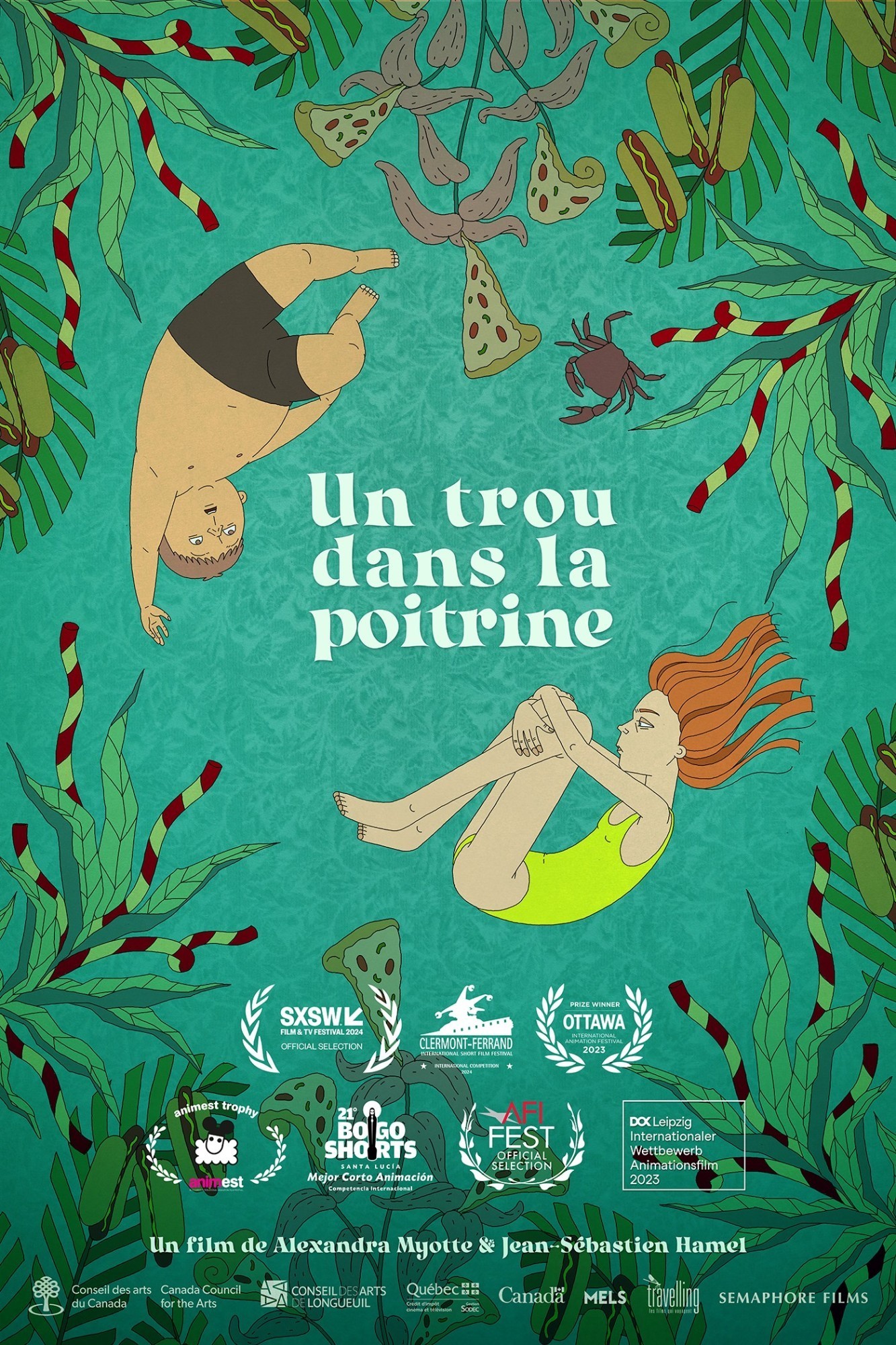
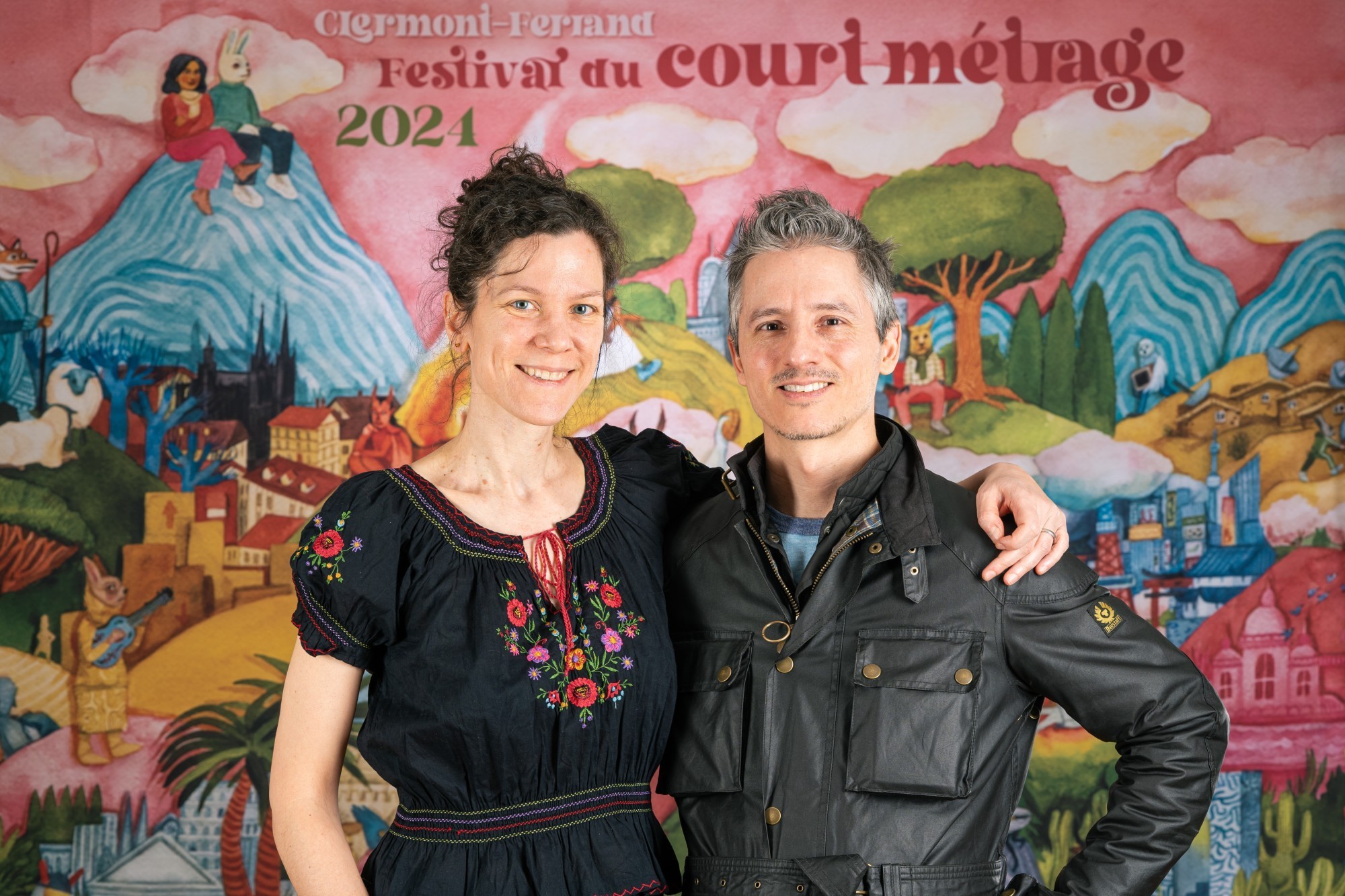 Interview: Im Gespräch mit den beiden kanadischen Filmemacher:innen Alexandra Mayotte und Jean-Sébastien Hamel konnten wir mehr über ihren Kurzfilm „A Crab in the Pool“ (OT: „Un Trou dans la Poitrine“) erfahren, der im Internationalen Wettbewerb des 40. interfilm Festival Berlin 2024 lief, wie der Film eine sehr persönliche aber doch auch universelle Geschichte erzählt, wie viele Arbeitsstunden in dem Film stecken und wie der Stil der 90er-Jahre-MTV-Zeit sie inspiriert hat.
The original english language interview is also available.
Eure Geschichte zu dem Kurzfilm speist sich aus Ereignissen aus eurem Leben. Warum habt ihr euch dafür entschieden, dies im Film zu erzählen?
Wenn man jahrelang mit einem Film lebt, muss man an ihn glauben und davon besessen sein, ihn zu machen, denn es ist ein langer, mühsamer und manchmal schmerzhafter Prozess. Der erste Animationskurzfilm, den wir zusammen gemacht haben, entstand aus einer Idee heraus, von der wir dachten, dass sie dem Publikum und den Filmfestivals gefallen würde – offensichtlich hat sie nicht wirklich funktioniert, weil sie nicht wirklich dem entsprach, was wir als Künstler sind. Wir beschlossen dann, zunächst einen Film für uns selbst zu machen und zu sehen, ob das Publikum uns auf dieser Reise folgen würde – und das tat es! Dieser Film ist eine sehr persönliche Geschichte, da er von unserer Krebserkrankung inspiriert ist. Es war eine Möglichkeit, tief in die Emotionen einzutauchen, die wir damals empfanden, und einige Dämonen auszutreiben. Gleichzeitig war es ein sicherer Weg, unseren Schmerz zu erforschen, denn es besteht eine große Distanz zwischen unseren persönlichen Erfahrungen und der im Film dargestellten Geschichte. Wir haben Krebs als Erwachsene erlebt und hatten zu diesem Zeitpunkt das Glück, niemanden verloren zu haben, der krank war, und nicht als zwei Kinder, die ihrem Schicksal überlassen wurden. Und wir haben etwas Fantasie und Humor in die Geschichte eingebaut, denn so ist das Leben selbst in seinen dunkelsten Momenten. Wir wussten, dass es wahr klingen würde, weil einige Gefühle und Erfahrungen universell sind.
Wie lange habt ihr an dem Film gearbeitet und wie habt ihr ihn finanziell gestemmt?
 Die Produktion des Films dauerte etwa drei Jahre. Da es sich um einen Low-Budget-Film handelt, mussten wir die Arbeit daran mit anderen Jobs abwechseln, um unseren Lebensunterhalt zu bestreiten. Wir sprechen von etwa 4.000 Arbeitsstunden, vom Drehbuchschreiben bis zur Promotion, das meiste davon haben wir beide allein geleistet. Was die Finanzierung angeht, so haben wir in Quebec und Kanada das Glück, Zugang zu Künstlerstipendien und Steuergutschriften für Filmproduktionen zu haben, wodurch wir den größten Teil der finanziellen Struktur abdecken konnten. Der Rest wurde von uns beiden getragen, die wir unsere Zeit und Ausrüstung in die Produktion investiert haben.
Könnt mir mehr zu den Animationen erzählen?
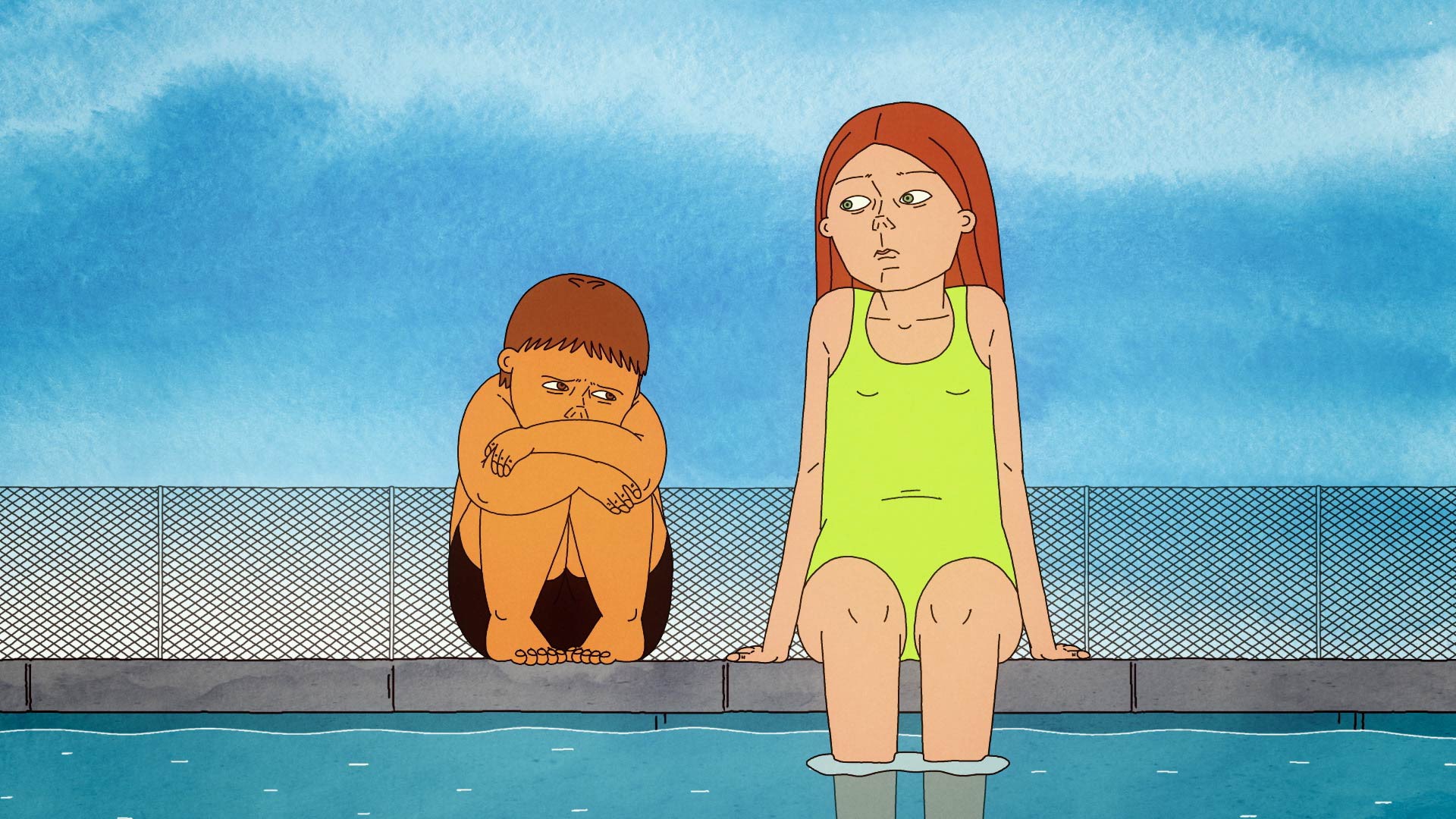
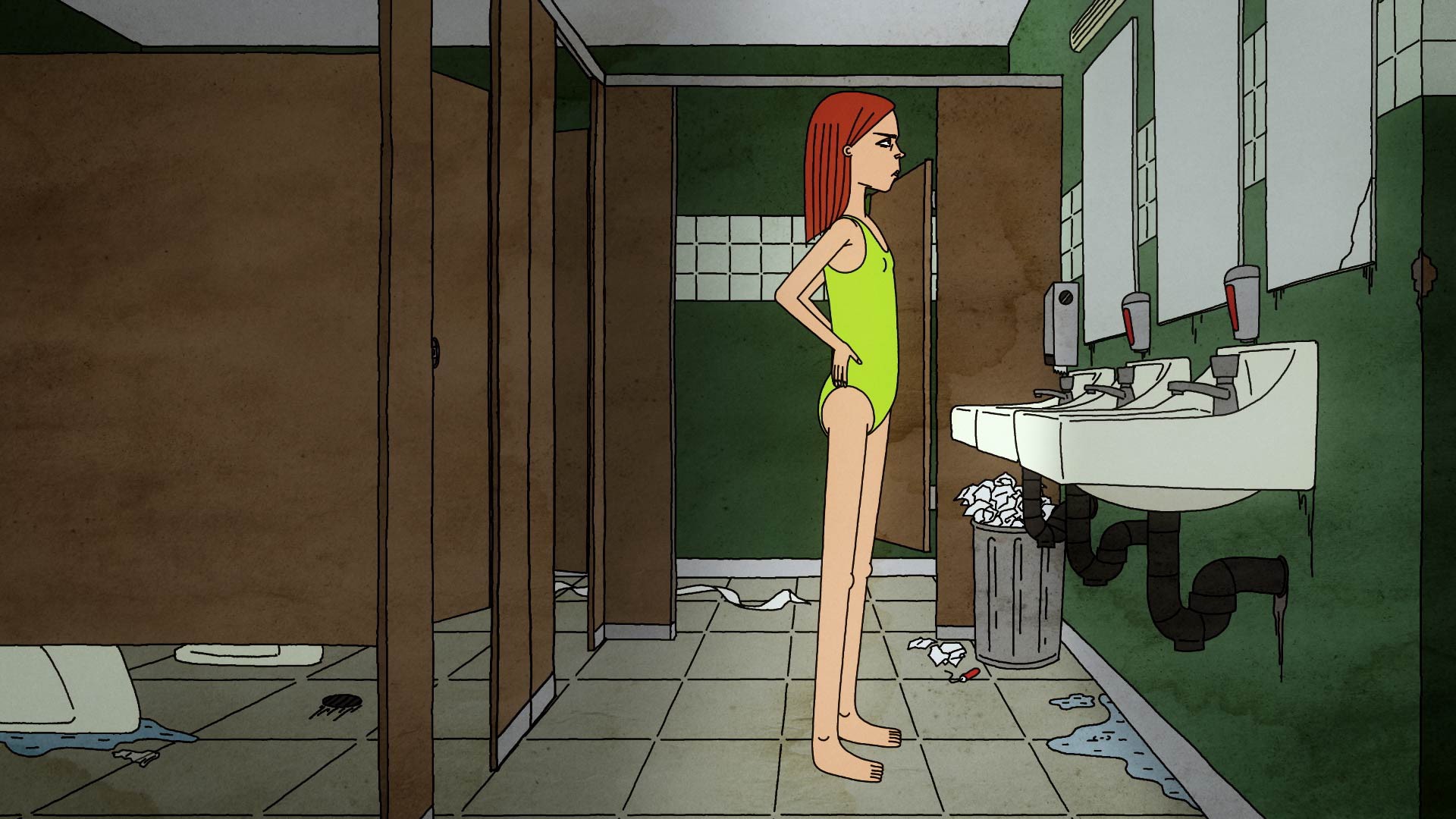
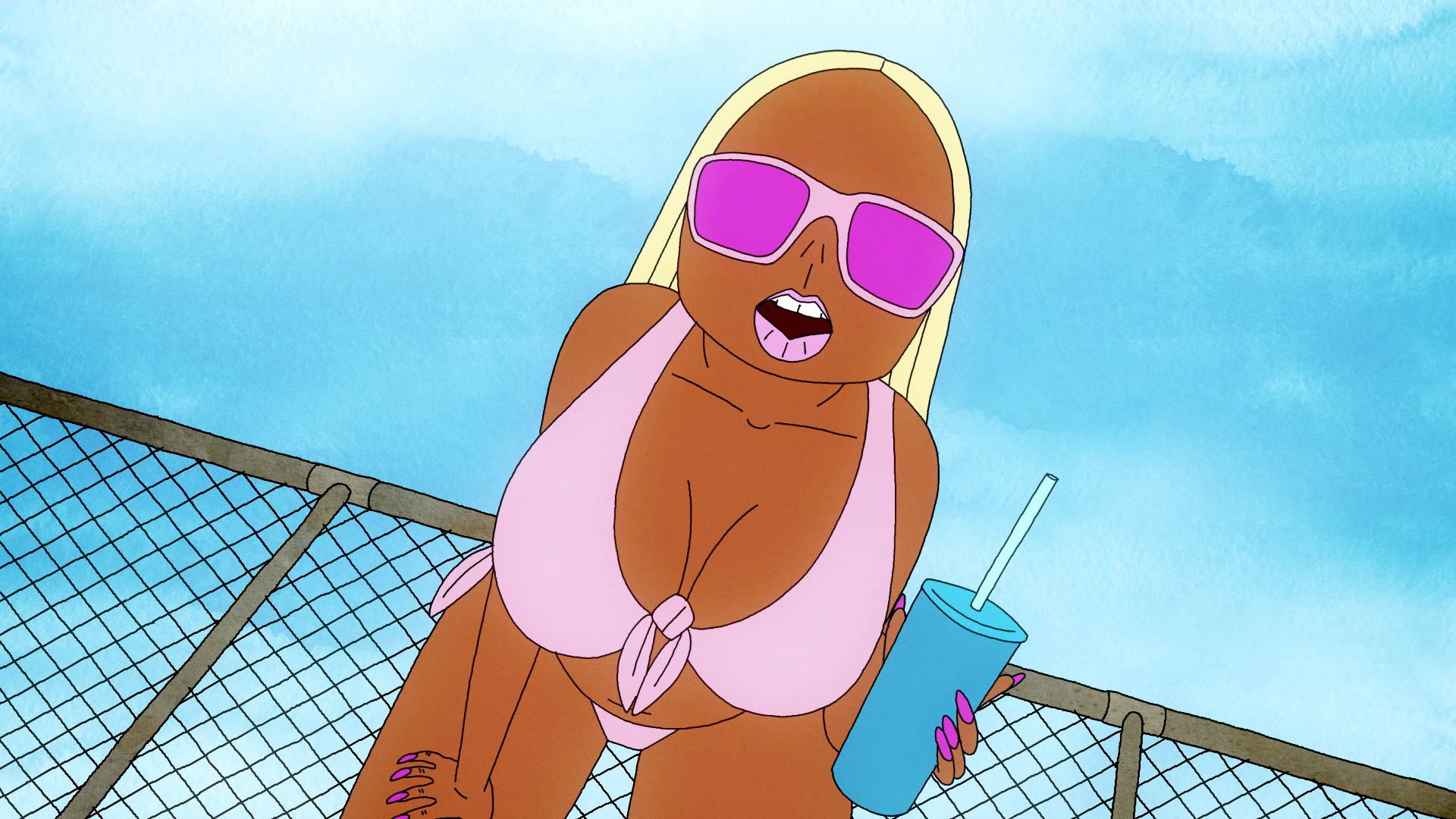 Der Film ist ein traditioneller 2D-Animationsfilm, der Bild für Bild von Hand am Computer gezeichnet wurde. Der grafische Stil ist minimalistisch und erinnert an einige der amerikanischen Underground-/Independent-Animationen. Die Animation zeichnet sich durch phantasievolle und psychedelische Übergänge aus, die den Zuschauer überraschen und destabilisieren sollen und ihn einladen, in die seltsame Welt der beiden Kinder einzutauchen. Was den Ton betrifft, so haben wir uns dafür entschieden, keine Musik zu verwenden, außer die diegetische. Wir möchten, dass die Zuschauer die Emotionen des Films selbst empfinden, anstatt ihnen eine Stimmung aufzuzwingen, indem wir beispielsweise traurige oder dramatische Musik verwenden.
Orientiert ihr euch in dem Stil an bestimmten Vorbildern?
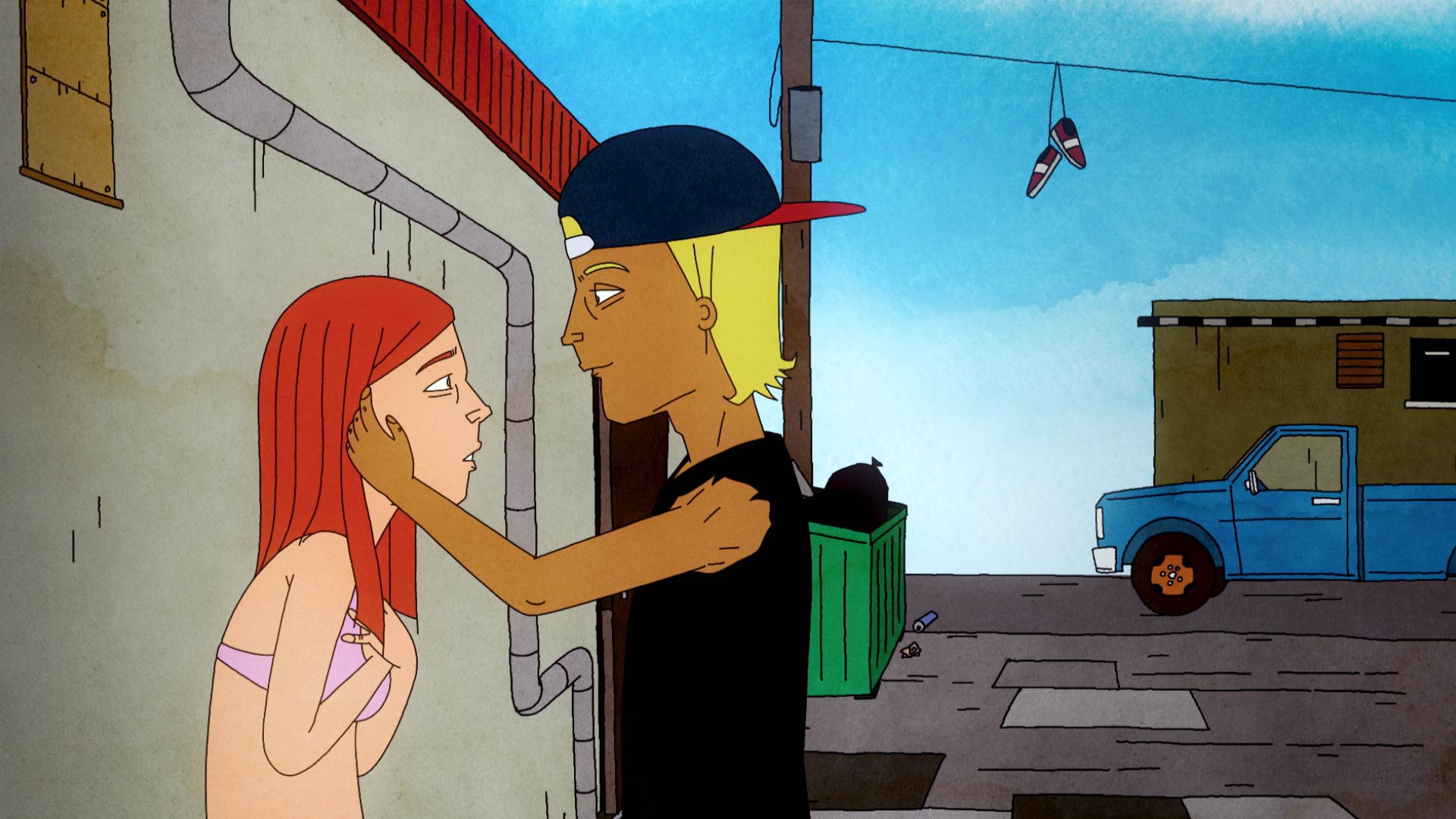 Wir sind in den 90er Jahren mit den seltsamen, flippigen Animationen von MTV’s Liquid Television aufgewachsen – mit Werken wie „“Beavis & Butt-head“, „Aeon Flux“, „“The Maxx“, … Dieser sehr spezielle Stil der 2D-Animation passte hervorragend zu der Stimmung, die wir erzeugen wollten. Unser Film spielt in einem unterprivilegierten Umfeld, und die Kinder sind in einer sehr schwierigen Situation auf sich allein gestellt; es ist nur natürlich, dass die künstlerische Richtung nicht schön und poliert sein sollte, sondern roh und ungeschliffen, mit einem Hauch von Skurrilität und Hässlichkeit. Wir haben uns dennoch dafür entschieden, es sehr farbenfroh zu halten, um die kindliche und fantastische Welt, in der sich unsere Figuren entwickeln, widerzuspiegeln.
Was war euch bei der Synchronisation wichtig?
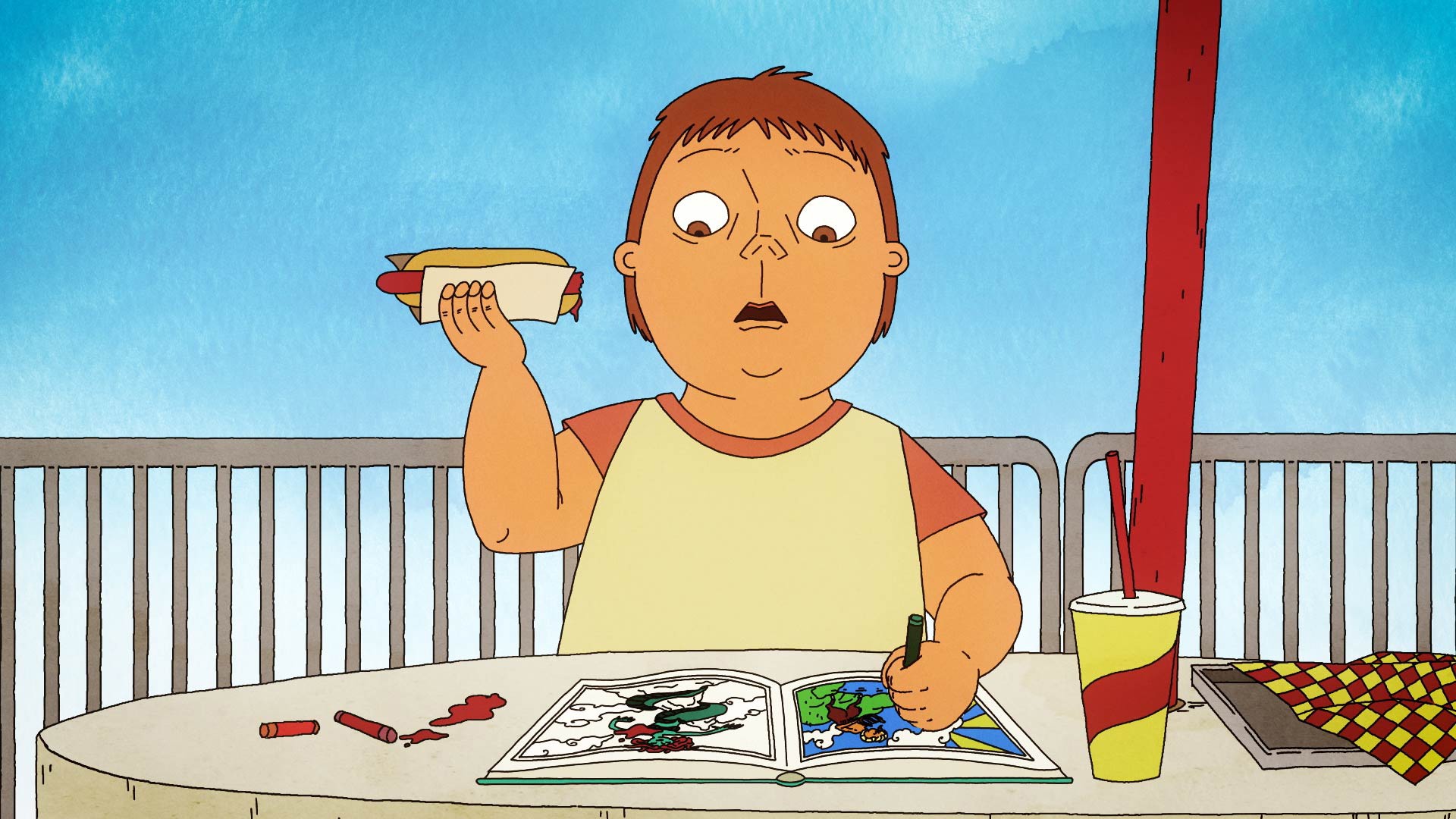 Da wir nur ein kleines Budget zur Verfügung hatten, bestand die Herausforderung darin, eine einzige Person zu finden, die idealerweise die Stimmen der Kinder und der Mutter übernehmen konnte. Außerdem kommen unsere Figuren aus einem raueren Milieu. Wir wollten also, dass unsere Schauspielerin in einem authentischen Quebécois-Dialekt spricht, ohne jedoch in eine Karikatur zu verfallen. Außerdem sollte sie ein breites Spektrum an Emotionen zeigen – Offenheit, Traurigkeit, Wut – ohne dabei in Rührseligkeit zu verfallen. Wir haben unsere seltene Perle in der Stimme von Élisabeth Gauthier Pelletier gefunden; als wir ihr vorgesprochen haben, waren wir sofort von ihrer Wiedergabe der Stimme von Theo begeistert, da wir nicht sagen konnten, dass es nicht ein kleiner Junge ist, der da spricht! Außerdem fragten uns mehrere Leute, nachdem sie den Film gesehen hatten, wie wir die beiden Kinder besetzt hatten! Was die Stimme des Penners am Anfang des Films angeht, so hat der Regisseur Jean-Sébastien der widerlichen Figur sein Talent geliehen; wie man hört, hatte er viel Spaß dabei!
Wie seid ihr beide zum Film und als Duo zusammen gekommen?
 Wir sind seit fünfzehn Jahren ein Paar und lernten uns kennen, als wir beide an einem animierten Musikvideo arbeiteten. Alexandra wusste schon immer, dass sie in der Kunst arbeiten wollte. Sie hat Musik, Ballett, bildende Kunst, Literatur und dann Kino studiert; die Animation ist irgendwie eine Kombination all dieser künstlerischen Praktiken. Jean-Sébastien interessierte sich zunächst mehr für die Live-Action-Produktion, als Regisseur und Cutter, mit einer Affinität für alles, was mit Produktionsstrategien zu tun hat. Da er aber seit seiner Jugend ein Fan von Animationsfilmen ist, war der Sprung in die Animationsproduktion für ihn ganz natürlich.
Gibt es bei euch eine klare Aufgabenteilung?
 Wir mögen keine starre Produktionsstruktur und bevorzugen eine fließende, organische und sehr kollaborative Arbeitsweise. Wir neigen zum Beispiel nicht dazu, dem linearen Weg Skript-Storyboard-Animation-Post zu folgen, und wir sind bereit, einen Teil der Geschichte an jedem Punkt des Prozesses zu überarbeiten oder sogar einige Produktionsschritte zu überspringen, wenn dies nicht notwendig ist. Wir führen einen ständigen Dialog über den kreativen Prozess, bei dem Egos außen vor bleiben und nur das berücksichtigt wird, was für das endgültige Werk am besten ist. Was die Animation betrifft, so zeichnet Alexandra, während Jean-Sébastien sich um das Timing der Animation kümmert und den Großteil der Farbgebung übernimmt. Alexandra kümmert sich um das Compositing und Jean-Sébastien um den Schnitt. Außerdem leitet er die Tonarbeit in der Postproduktion, die von unserem langjährigen Mitarbeiter François Lacasse durchgeführt wird.
Sind bereits neue Projekte geplant?
Ja, wir sind gerade dabei, unseren neuen Kurzfilm „What we leave behind“ fertigzustellen, ein weiteres Drama mit einer Mischung aus Fantasie und Trauma, aber mit einer dunkleren Wendung. Bleibt dran!
Die Fragen stellte Doreen Kaltenecker
Übersetzung von Michael Kaltenecker
Lies auch die Rezension des Kurzfilms „A Crab in the Pool“
Interview: In our conversation with the two Canadian filmmakers Alexandra Mayotte and Jean-Sébastien Hamel, we learned more about their short film „A Crab in the Pool“ (OT: „Un Trou dans la Poitrine“), which screened in the International Competition of the 40th interfilm Festival Berlin 2024, how the film tells a very personal but also universal story, how many hours of work went into the film and how the style of the 90s MTV era inspired them.
Your story for the short film feeds on events from your life. Why did you decide to tell this story in the film?
When you live with a film for years, you have to believe in it, be obsessed with making it, because it’s a long, arduous and sometimes painful process. The first animated short we made together was made with an idea of what we thought audiences and film festivals would enjoy – obviously, it didn’t really work, because it wasn’t truly who we are as artists. We then decided to make a film for ourselves first, and see if the public would follow us on the journey, and they did! For this film, it’s a very personal story since it’s inspired by our brush with cancer. It was a way to delve deep in the emotions we felt at the time and exorcise some demons. At the same time, it was a safer way to explore our pain as there’s a good distance between our personal experience and the story presented in the film. We experienced cancer as adults and were lucky enough at that point to not have lost someone who was ill, not as two children abandoned to their fate. And we interject some fantasy and humor in it because such is life, even in its darkest moment. We knew it would ring true because some emotions and experiences are universal.
How long did you work on the film and how did you finance it?
The film took around three years to produce. Since it’s a low-budget film, we had to alternate working on it with other jobs to support ourselves. We’re talking about 4,000 hours of work, from scriptwriting to promotion, most of it done by just the two of us. As far as funding is concerned, we’re lucky enough in Quebec and Canada to have access to artists‘ grants and film production tax credits, which has enabled us to cover most of the financial structure. The rest was covered by the two of us, who invested our time and equipment in the production.
Can you tell me more about the animation?
The film is made in traditional 2D animation, hand-drawn frame by frame on a computer. The graphic style is minimalist, reminiscent of some of the more underground / independent American animation looks. The animation stands out for its use of imaginative and psychedelic transitions; it aims to surprise and destabilize viewers and invite them to enter the strange world of the two children. As far as the sound is concerned, we have chosen not to have any music, other than diegetic. We want viewers to feel the film’s emotions on their own terms, rather than imposing a mood on them through the use of sad or dramatic music, for example.
Did you base the style on certain models?
We grew up in the 90s, with the strange, funky animations of MTV’s Liquid Television – with works like „Beavis & Butt-head“, „Aeon Flux“, „The Maxx“… This very specific style of 2D animation was a great match for the mood we wanted to establish. Our film takes place in an underprivileged environment, and the children are left to fend for themselves in a very difficult situation; it’s only natural that the artistic direction shouldn’t be beautiful and polished, but raw and unrefined, with a hint of bizarre and ugliness. We still chose to keep it very colorful to reflect the childlike and fantastic world in which our characters evolve.
What was important to you in the voice work?
Since we have a small budget, our challenge was to find a single person who could ideally do the voices for both children and the mom. What’s more, our characters come from a rougher background, so we wanted our actress to speak in an authentic Québécois dialect, but without falling into caricature. She also needed to have a wide range of emotions – candor, sadness, anger – without falling into mawkishness. We found our rare pearl in the voice of Élisabeth Gauthier Pelletier; as we auditioned her, we were immediately charmed by her rendition of Theo’s voice, as we couldn’t say that it wasn’t a little boy speaking! What’s more, several people, after seeing the film, were asking us how we had cast the two children! As for the voice of the bum at the beginning of the film, it was director Jean-Sébastien who lent his talent to the despicable character; as you can hear, he had a lot of fun!
How did you both come to work on creating films and working together as a duo?
We’ve been a couple for fifteen years and met while we were both working on an animated music video. Alexandra always knew she would work in the arts, having studied music, ballet, visual arts, literature and then cinema; animation is somehow a combination of all these artistic practices. Jean-Sébastien, for his part, was initially more interested in live-action production, as a director and editor, with an affinity for everything to do with production strategy. But having been a fan of animation since he was very young, the leap into animated production was a natural one for him.
Do you have a clear division of tasks?
We don’t like to have a rigid production structure and prefer a fluid, organic and very cross-collaborative way of work. For example, we don’t tend to follow the script-storyboard-animation-post linear path, and we’re prepared to rework part of the story at any point in the process, or even skip some production steps if unnecessary. We have a continuous dialogue on the creative process, where egos stay at the door and only what’s best for the final work is considered. As far as the animation is concerned, Alexandra draws, while Jean-Sébastien works on the timing of the animation and does most of the coloring. Alexandra does the compositing and Jean-Sébastien the editing, as well as leading the sound work in post-production, which is done by our long-time collaborator François Lacasse.
Are new projects already planned?
Yes, we’re in the latest steps to finish our new short film “What we leave behind”, which will be another drama mixing imagination and trauma but with a darker twist. Stay tuned!
Questions asked by Doreen Kaltenecker
Read on the german review of the short film „A Crab in the Pool„